
This guide was synthesized using the latest legislative data and verified by our editorial board. Laws are subject to change; always consult official sources for final confirmation.
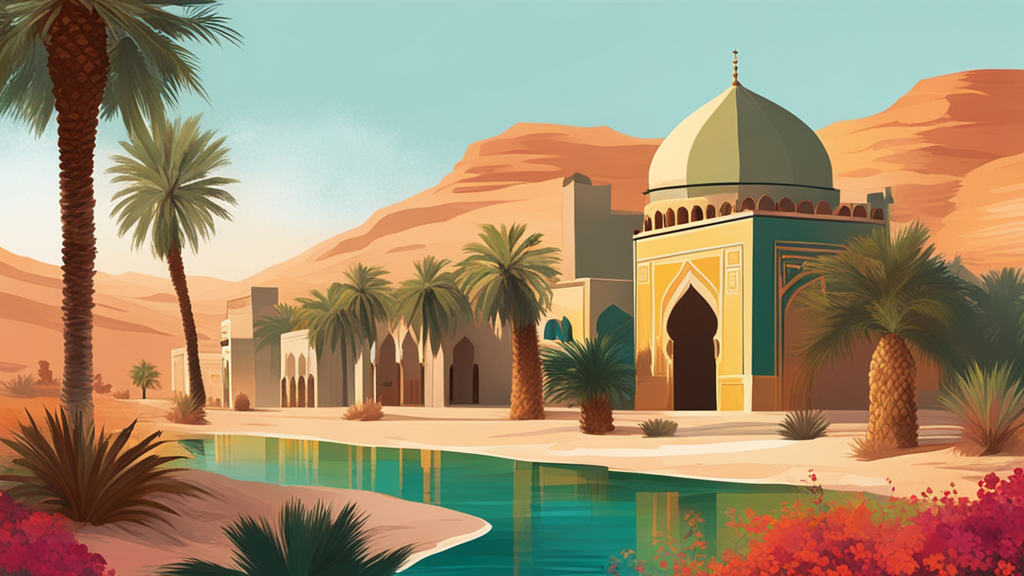
Al Ahsa, located in the Eastern Province of Saudi Arabia, is an oasis steeped in history and cultural significance. Known as the world's largest oasis, it is a UNESCO World Heritage Site, offering a unique blend of natural beauty, rich heritage, and vibrant local life. This guide will provide you with essential information to navigate your visit to Al Ahsa, from its attractions to cultural nuances and practical tips.
What can we help you with?
Three short questions, then just how to reach you. No account needed.
Getting to Al Ahsa
Al Ahsa is conveniently located in relation to major cities, making it accessible by road. Visitors can rent a car or hire a taxi for the trip, but it’s advisable to use a reliable transportation service to ensure safety and convenience.
For those flying in, the nearest airport is Al Ahsa International Airport (HOF), which serves domestic flights. Major international airports in Riyadh and Dammam serve as the primary entry points for international travelers. From these airports, you can rent a car or book a ride to Al Ahsa.
Climate and Best Time to Visit
Al Ahsa experiences a desert climate, characterized by hot summers and mild winters. The summer months (June to August) can be extremely hot, and it is advisable to avoid visiting during this period unless you are accustomed to extreme heat.
The best time to visit Al Ahsa is during the cooler months from October to April, when daytime temperatures are generally more comfortable. These months are ideal for exploring the oasis and its cultural sites without the discomfort of the intense heat. Always stay hydrated and carry sun protection, like hats and sunscreen, regardless of the season.
Key Attractions in Al Ahsa
The Al Ahsa Oasis
The Al Ahsa Oasis is the centerpiece of the region, featuring a significant number of date palms. It is the largest oasis in the world and is known for its lush greenery and agricultural richness. Visitors can explore the oasis on foot or by bicycle, taking in the tranquil scenery alongside the many date farms. Engaging with local farmers can provide insights into the date cultivation process, which is an essential part of the local economy.
Historical Sites
Al Ahsa is rich in historical sites, including the Ibrahim Fort, which dates back to the 16th century and boasts impressive architecture reflecting Ottoman influences. The fort is not only a significant landmark but also offers picturesque views of the surrounding area. Visitors typically find the fort open for exploration, but it’s wise to check local timings ahead of your visit.
Another noteworthy site is the Qaisariah Souq, a traditional marketplace that showcases a variety of local crafts, textiles, and spices. Although it’s a modern marketplace, it retains the charm of traditional Arab souks, with narrow alleys and vibrant stalls. Engaging with local vendors can lead to unique souvenirs and a deeper understanding of local culture.
Cultural Considerations
Understanding local customs is crucial when visiting Al Ahsa. Saudi Arabia is an Islamic country, and visitors should dress modestly to respect local customs. For men, wearing long pants and short- or long-sleeved shirts is appropriate. Women should wear abayas (a loose-fitting cloak) in public spaces, although foreign women are not required to wear headscarves. It is advisable to keep shoulders and knees covered.
Ramadan is a significant time in Saudi Arabia, and during this month, Muslims fast from dawn until sunset. Visiting during Ramadan can offer a unique experience, as many restaurants may close during the day. However, the evenings come alive with Iftar, the meal breaking the fast, and local markets often have a festive atmosphere.
Food and Dining
Al Ahsa is known for its diverse culinary scene that reflects the region's agricultural bounty. Traditional dishes often feature dates, rice, and lamb, with spices that highlight the rich flavors of Middle Eastern cuisine. A local specialty worth trying is kabsa, a spiced rice dish typically served with meat and vegetables.
There are numerous local restaurants where you can experience traditional Hasawi cuisine. Dining styles may vary, with many locals enjoying meals on the floor, sharing dishes communally. Engaging in this culinary experience can offer a deeper understanding of hospitality and local customs.
Practical Tips for Expats
- Language: Arabic is the official language, but English is widely spoken, especially in tourist areas. Learning a few basic Arabic phrases can enhance your interactions with locals.
- Safety: Al Ahsa is generally considered safe for tourists. However, it’s wise to stay aware of your surroundings and avoid discussing sensitive topics such as politics or religion.
- Transport: Public transportation options are limited. Renting a car is the most convenient way to explore the region. Taxis and ride-sharing apps are also available, but ensure that they are licensed.
- Cash vs. Card: While credit cards are accepted at many establishments, it is advisable to carry cash for small purchases, especially in markets and local shops.
Conclusion
Al Ahsa offers a unique blend of natural beauty, rich history, and vibrant culture that is worth exploring. From the lush oasis and historical sites to the warm hospitality of the locals, your visit will be filled with memorable experiences. Be mindful of local customs, plan your trip according to the climate, and immerse yourself in the rich tapestry of life in Al Ahsa. With the right preparation, your journey to this remarkable oasis will be both enjoyable and enlightening.
AI-Generated Content: This article was created with AI assistance and may contain inaccuracies. Please verify important information with official sources.
Primary Sources
Last updated: October 2026