
This guide was synthesized using the latest legislative data and verified by our editorial board. Laws are subject to change; always consult official sources for final confirmation.
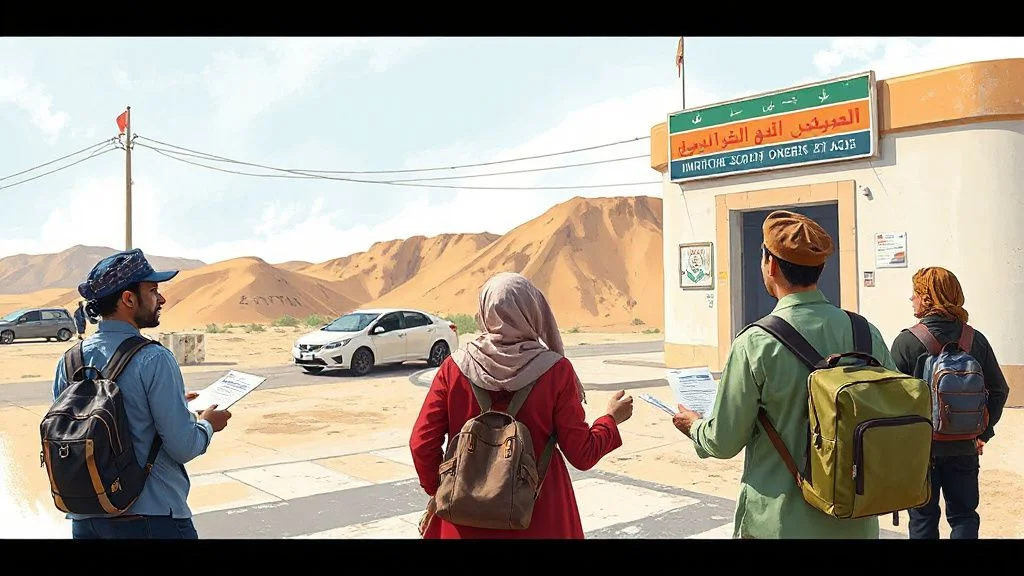
Traveling to Saudi Arabia via the Al Batha border crossing can be an exciting experience for expatriates and travelers alike. This critical gateway connects Saudi Arabia with the United Arab Emirates (UAE) and is a popular crossing in the region. In this article, we will explore the necessary documents, procedures, and practical tips that travelers must consider to ensure a seamless entry into the Kingdom.
What can we help you with?
Three short questions, then just how to reach you. No account needed.
Overview of the Al Batha Crossing
The Al Batha border crossing serves as a vital link between Saudi Arabia and the UAE. This crossing handles significant vehicular traffic, making it essential for both tourism and commercial activities. Travelers can expect modern facilities, including customs and immigration offices and fuel stations.
Accessibility to the Al Batha crossing is straightforward, with well-maintained roads leading to the border from major cities. Drive times can vary; it is advisable to check local traffic conditions before your trip. The crossing has specific operating hours, allowing for flexibility in travel plans, but it is advisable to avoid peak hours, particularly during weekends when traffic can significantly increase.
Required Documents for Entry
Before approaching the Al Batha crossing, travelers should ensure they have the following documents prepared:
- Valid Passport: Your passport must be valid for at least six months from the date of entry into Saudi Arabia. Ensure it has at least one blank page for the entry stamp.
- Saudi Visa: Depending on your nationality, you may need a visa to enter Saudi Arabia. Most travelers can obtain a tourist e-visa before arrival or qualify for a visa on arrival. Be sure to carry a printed copy of your e-visa confirmation, as electronic access may be limited at the border.
- Vehicle Registration (Istimarah): If you are driving a personal or rental vehicle, carry the original vehicle registration document. This is crucial for customs verification.
- Driving License: A valid driving license from your home country or an International Driving Permit (IDP) is required to drive legally in Saudi Arabia.
- Manafith Vehicle Insurance: All non-Saudi vehicles must have Manafith insurance, a mandatory third-party liability insurance policy required for entry into Saudi Arabia. This insurance can be purchased online or at the border.
- No Objection Certificate (NOC): If the vehicle is not registered in your name (such as a rental or company car), you will need an NOC from the vehicle's owner, allowing you to cross the border.
Border Crossing Procedures
Upon arriving at the Al Batha crossing, travelers will go through a series of procedures that typically include the following steps:
- Immigration Check: Present your passport and visa to the immigration officer. Ensure that all documents are readily accessible to expedite the process.
- Customs Declaration: You may be required to declare any goods you are bringing into the country. Be aware that certain amounts of cash and valuables may need to be declared. Customs officers will check for prohibited items, including alcohol, which is strictly banned in Saudi Arabia.
- Vehicle Inspection: Customs officials will inspect your vehicle and its documents. Ensure that your vehicle registration and Manafith insurance are in order, as any discrepancies can lead to delays.
- Payment of Fees: If applicable, you may need to pay border fees, which can vary based on your vehicle type and nationality. Typically, GCC nationals may face fewer fees compared to other travelers.
Practical Tips for a Smooth Crossing
To ensure a hassle-free experience at the Al Batha crossing, consider the following tips:
- Travel Early: To avoid long queues, especially during weekends or holidays, plan your crossing during early morning hours. This strategy can save you time and frustration.
- Check for Updates: Verify the latest information regarding border conditions, potential fees, and any travel restrictions via official government websites or travel forums before your trip.
- Keep Documents Organized: Use a travel wallet or folder to keep all your important documents in one place. This organization can significantly speed up the process at the border.
- Insurance Purchase in Advance: Consider purchasing Manafith vehicle insurance online prior to travel. This option can save time and reduce the chances of delays at the border.
- Acquaint Yourself with Local Customs: Understanding local laws and customs can help you avoid misunderstandings at the border. For example, be aware of the prohibition on alcohol and other banned items.
What Expats Should Know
For expatriates living in Saudi Arabia, crossing the border can have specific considerations:
- Residency Status: Ensure your residency status (iqama) is valid and that you carry a photocopy, as authorities may ask for it during routine checks.
- Traveling with Family: If traveling with family, ensure that all family members have the necessary documentation, including their passports and visas. It is advisable to check if any additional documentation is required for children.
- Local Currency: While the primary currency in Saudi Arabia is the Saudi Riyal (SAR), having some UAE Dirhams (AED) on hand can be useful for expenses in the UAE before or after crossing. Keep in mind that 1 USD is approximately 3.75 SAR.
Conclusion
The Al Batha border crossing serves as a crucial gateway for travelers between Saudi Arabia and the UAE. By ensuring you have the required documents, understanding the border procedures, and following practical tips, you can navigate this crossing smoothly. Whether you are visiting for leisure, business, or family, being well-prepared will enhance your travel experience and minimize any potential inconveniences.
For expatriates and international professionals, knowing the ins and outs of crossing borders in the region can make a significant difference in your overall experience in Saudi Arabia. Always keep updated on travel regulations and local customs to ensure a pleasant journey.
AI-Generated Content: This article was created with AI assistance and may contain inaccuracies. Please verify important information with official sources.