This guide was synthesized using the latest legislative data and verified by our editorial board. Laws are subject to change; always consult official sources for final confirmation.
Relocating to Riyadh can be an exhilarating experience, especially for expatriates accustomed to the convenience of online shopping and imported goods. However, understanding the dynamics of buying locally versus importing can significantly impact your budget and lifestyle. This article dives deep into the real comparison, highlighting practical considerations, cultural nuances, and actionable advice for international professionals.
Understanding the Cost Differences
When weighing the decision between purchasing locally in Riyadh and importing goods, the first consideration is often cost. Imported items typically attract higher prices due to shipping fees, customs duties, and taxes. Imported electronic gadgets often retail at significantly higher prices in Riyadh compared to their original markets due to these additional expenses. On the other hand, locally made electronics usually offer a more competitive price point, making them an attractive option for consumers.
Beyond electronics, the grocery sector shows a stark contrast in costs. Local fresh produce, such as fruits and vegetables, is usually more affordable. For instance, locally sourced apples are typically priced lower than imported varieties, which can be significantly more expensive. This price disparity is particularly significant for expatriates who are accustomed to paying premium prices for imported goods in their home countries.
Quality and Availability of Local Products
Quality is another critical factor in the local versus import debate. Many local products in Riyadh are not only more affordable but also fresher. Seasonal fruits and vegetables, typically sourced from local farms, boast higher quality and taste. Local produce can often be found at various markets, providing a fresher alternative to imported options. In contrast, imported fruits may not offer the same flavor or freshness and are generally available year-round at higher prices.
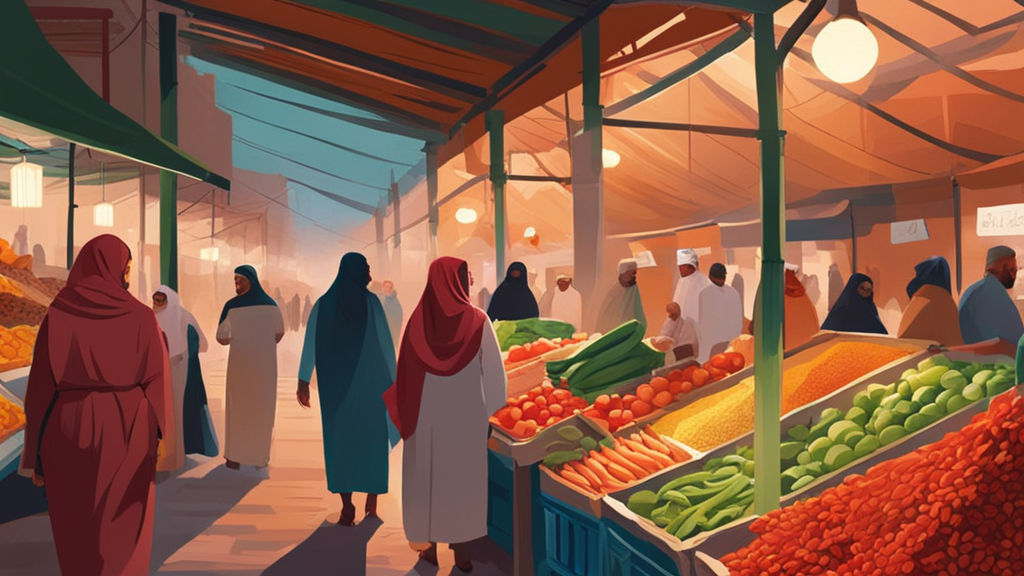
Moreover, local markets, such as the traditional souks, provide a unique shopping experience. Here, you can find not just fruits and vegetables but also a variety of spices, nuts, and traditional Saudi ingredients at reasonable prices. The vibrant atmosphere and the chance to engage with local vendors add cultural richness to your shopping experience that online shopping simply cannot replicate.
Convenience and Shopping Experience
When it comes to convenience, local shopping in Riyadh can be surprisingly efficient. Major supermarkets offer a wide array of products, often at competitive prices. They typically feature aisles stocked with local brands, from dairy products to cleaning supplies, and many even have in-store bakeries and delis. This one-stop shopping experience saves time and effort, especially for expatriates juggling work and family commitments.
In contrast, importing goods can lead to delays and complications. Ordering from international retailers often involves long shipping times, customs clearance processes, and potential damages or losses during transit. For instance, if you order furniture online from an overseas seller, the wait time could extend from several weeks to months, not to mention the additional shipping costs that can quickly add up. Local stores often have furniture options readily available, allowing you to furnish your home without the headache of waiting on a shipment.
Cultural Nuances and Adaptation
Adapting to the Saudi culture also plays a vital role in your purchasing decisions. In Riyadh, shopping is not just a task; it is a social activity. Engaging with local vendors and gaining insights into traditional products can enhance your understanding of Saudi customs. For example, visiting a local spice market allows you to discover unique spices that are commonly used in Saudi cuisine.
Additionally, many expatriates find that immersing themselves in local culture through shopping helps them build relationships with their Saudi neighbors. Learning about local products and their uses encourages a deeper connection to your new home and can facilitate smoother social interactions. Many locals appreciate when expatriates show interest in their traditions, and shopping locally is an excellent way to express that.
Practical Tips for Expats
1. Explore Local Markets
Take time to explore local markets and souks in Riyadh. These markets offer an array of local goods, from traditional handicrafts to spices and fresh produce. This is not only an opportunity to find unique items but also to experience the rich culture of Saudi Arabia.
2. Compare Prices
Before making a purchase, compare prices between local stores and online retailers. Many items, especially electronics and home goods, may have price disparities that could influence your decision. Utilize local price comparison websites or apps to stay informed.
3. Attend Local Events
Participating in local festivals and events can provide insight into the types of products that are popular in Riyadh. These events often feature local artisans and vendors, offering you a chance to buy unique items while enjoying the festivities.
4. Build Relationships with Vendors
Establishing rapport with local vendors can lead to better deals and insider knowledge about the best products. Regular visits to the same shops can make you a familiar face, potentially resulting in discounts or special offers.
Conclusion
In conclusion, while importing goods into Riyadh can seem appealing for certain items, the benefits of buying locally far outweigh the drawbacks. From cost savings and superior quality to cultural immersion and convenience, local shopping provides a richer experience for expatriates. By embracing the local market, you not only save money but also connect more deeply with your new home. Ultimately, making informed choices about where to shop will enhance your lifestyle in Riyadh, allowing you to enjoy all that this vibrant city has to offer.
AI-Generated Content: This article was created with AI assistance and may contain inaccuracies. Please verify important information with official sources.