
This guide was synthesized using the latest legislative data and verified by our editorial board. Laws are subject to change; always consult official sources for final confirmation.
Relocating to Saudi Arabia as an expatriate presents unique challenges, especially concerning healthcare. While the Kingdom offers a robust healthcare system, dental and optical care often falls outside the standard coverage provided by employer-sponsored health insurance plans. This article delves into the intricacies of dental and optical care exclusions, helping expats navigate these essential services effectively.
1. Overview of Dental Care in Saudi Arabia
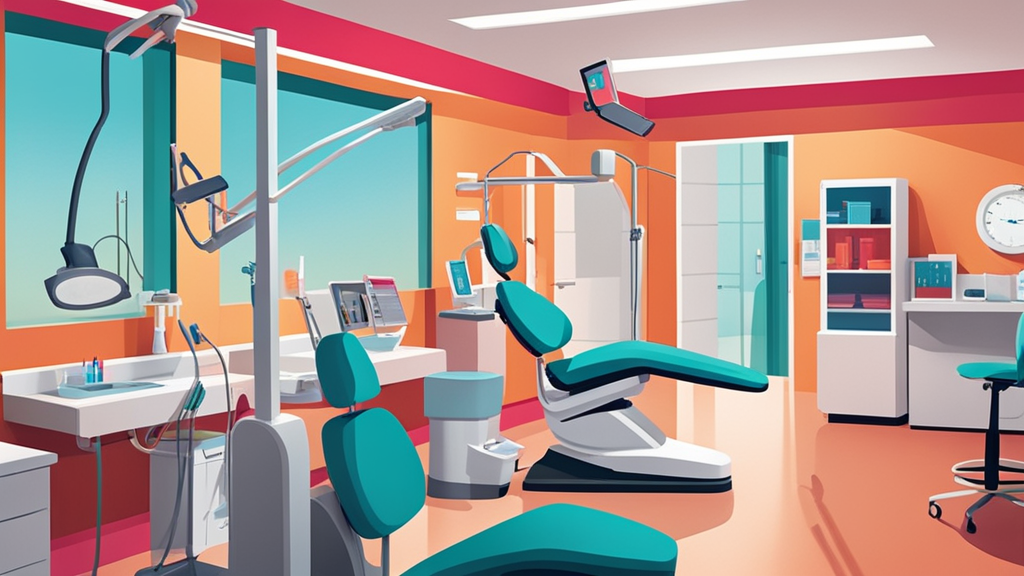
Saudi Arabia's dental care landscape is predominantly private, with a wide array of clinics and hospitals offering services. Expatriates typically rely on private dental providers due to the limited availability of government-funded dental services, which are primarily reserved for Saudi citizens. The quality of care is generally high, with many clinics equipped with advanced technology and staffed by internationally trained professionals.
Where to Seek Dental Treatment
In major cities like Riyadh and Jeddah, several reputable dental clinics cater to expatriates. These include large hospital groups known for their comprehensive dental services, such as orthodontics, cosmetic dentistry, and oral surgery. Specialized clinics often utilize cutting-edge technologies, such as 3D imaging and laser dentistry, to enhance patient outcomes. However, it's essential to note that these premium services come at a cost, which can vary significantly depending on the clinic's reputation and the complexity of the treatment.
Typical Costs of Dental Treatments
As of 2026, dental treatment costs in Saudi Arabia can be quite variable. For example:
- General Consultation: Typically ranges from 150 to 400 SAR (approximately 40 to 107 USD).
- Scaling and Polishing: Costs between 250 and 600 SAR (approximately 67 to 160 USD).
- Fillings: Generally priced between 350 and 800 SAR (approximately 93 to 213 USD).
- Crowns: Can range from 1,800 to 5,500 SAR (approximately 480 to 1,467 USD).
- Dental Implants: Typically cost between 4,000 and 9,000 SAR (approximately 1,067 to 2,400 USD).
These prices reflect the private sector's costs and can be significantly higher than those in many Western countries. For instance, dental implants in Saudi Arabia can be more affordable than in the UK or the US, where similar procedures might cost upwards of 3,000 USD.
2. Understanding Optical Care in Saudi Arabia
Like dental care, optical services in Saudi Arabia are primarily provided through private clinics and hospitals. Expatriates often find themselves navigating a system where routine eye care, such as vision assessments and corrective lenses, may not be covered under standard health insurance plans.
Where to Access Optical Services
In cities like Riyadh and Jeddah, numerous optical centers offer a range of services, from basic eye exams to advanced surgical procedures like LASIK. Many of these centers are affiliated with larger healthcare institutions and boast modern facilities and experienced staff. However, the quality of care can vary, so it's advisable to seek recommendations from fellow expatriates or local forums.
Typical Costs of Optical Treatments
As of 2026, the costs associated with optical care in Saudi Arabia typically include:
- Specialist Consultation: Ranges from 250 to 550 SAR (approximately 67 to 147 USD).
- Prescription Glasses: Prices can vary widely, from 600 to 4,000 SAR (approximately 160 to 1,067 USD), depending on the brand and type of lenses.
- LASIK Surgery: Costs between 4,500 and 9,500 SAR (approximately 1,200 to 2,533 USD), often making it a more competitive option compared to many Western countries.
While LASIK surgery may be more affordable in Saudi Arabia, it's crucial to ensure that the facility meets international standards and that the surgeon is well-qualified.
3. Health Insurance and Its Implications
Health insurance is mandatory for expatriates in Saudi Arabia, typically provided by employers under the Council of Cooperative Health Insurance (CCHI) regulations. However, many standard health insurance plans exclude dental and optical care, which can lead to unexpected out-of-pocket expenses for expats.
Why Dental and Optical Care is Often Excluded
Dental and optical services are frequently categorized as non-essential or elective in many health insurance policies. This exclusion means that routine check-ups, cosmetic procedures, and corrective lenses might not be covered. As a result, expatriates should carefully review their insurance policies to understand what is included and what is not.
Strategies for Managing Excluded Costs
To manage the financial burden of dental and optical care, expatriates can consider the following strategies:
- Supplemental Insurance: Look for additional insurance plans that specifically cover dental and optical services. These plans can help offset costs for treatments typically excluded from standard policies.
- Health Savings Accounts (HSAs): If available, HSAs allow you to set aside pre-tax money for medical expenses, including dental and optical care.
- Payment Plans: Many dental and optical clinics offer financing options or payment plans, making it easier to manage larger expenses over time.
4. Practical Tips for Expats
Understanding the nuances of dental and optical care in Saudi Arabia can significantly ease the transition for expatriates. Here are some practical tips to consider:
- Research Providers: Before selecting a dental or optical provider, research their credentials, patient reviews, and the technology they use. Word-of-mouth recommendations from fellow expats can be invaluable.
- Seek Preventive Care: Regular check-ups can help prevent more significant issues down the line, potentially saving you money on extensive treatments.
- Negotiate Costs: Don’t hesitate to discuss costs with your provider. Some clinics may offer discounts for upfront payments or for expats.
- Stay Informed: Keep abreast of changes in health insurance policies and local healthcare regulations that may affect your coverage.
Conclusion
Dental and optical care in Saudi Arabia presents unique challenges for expatriates, primarily due to the exclusions often found in health insurance policies. By understanding the costs associated with these services and exploring options for supplemental coverage, expats can better navigate the healthcare landscape. With careful planning and research, you can ensure that your dental and optical needs are met without incurring unexpected financial burdens.
AI-Generated Content: This article was created with AI assistance and may contain inaccuracies. Please verify important information with official sources.
Exchange rate used in this article: 1 USD = 3.75 SAR (rate as of 2026-10-13T09:08:33.139851+00:00, source: Saudi Central Bank (SAMA)).
Primary Sources
Last updated: October 2026