
This guide was synthesized using the latest legislative data and verified by our editorial board. Laws are subject to change; always consult official sources for final confirmation.
Relocating to Saudi Arabia can be a daunting experience, especially when it comes to understanding the healthcare system. For expatriates, having an iqama (residency permit) is crucial for accessing many services, including healthcare. However, emergencies can happen at any time, and knowing how to navigate the medical landscape without an iqama is essential. This article will guide you through the process of obtaining emergency treatment in Saudi Arabia, focusing on what to expect, potential costs, and practical tips for expatriates.
Understanding Emergency Medical Services in Saudi Arabia
Saudi Arabia has a well-established emergency medical service system. The primary emergency numbers to remember are 999 or 911 for police, 997 for ambulances, and 998 for fire services. In the event of a medical emergency, you can call 997 to request an ambulance, which operates 24/7. Emergency medical responders are trained to provide initial stabilization treatment regardless of a patient’s insurance status or iqama. This means that if you find yourself in a critical situation, you will receive immediate care.
Initial Treatment and Stabilization
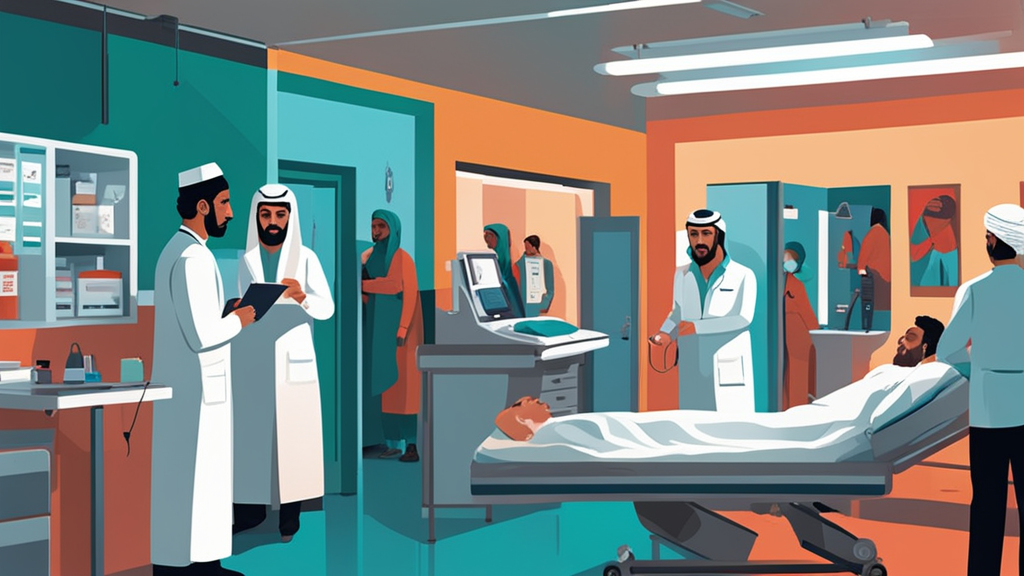
Upon arrival at a hospital, emergency staff will assess your condition and provide necessary stabilization treatment. This initial care is typically provided without charge, even for expatriates without an iqama. However, it is important to note that while emergency treatment is available, ongoing care or non-urgent treatment will require valid health insurance or out-of-pocket payment. This is a critical distinction for expatriates to understand, as many may assume that all medical care is free in emergencies.
Public vs. Private Hospitals
Saudi Arabia has both public and private hospitals, with private facilities generally offering higher standards of care and shorter wait times. Public hospitals, while providing essential services, may be less equipped to handle emergencies efficiently. If you are in a remote area or a location with limited access to healthcare, it may be faster to travel to a private hospital, even if it means incurring higher costs. In major cities like Riyadh and Jeddah, numerous private hospitals are available, and many have multilingual staff to assist expatriates.
Costs of Emergency Treatment Without an Iqama
While emergency treatment is provided without charge initially, the costs can escalate quickly if you require further care. For expatriates without an iqama, the following costs may apply:
- Emergency Room Fees: Typically range from 500 SAR to 1,500 SAR (approximately 133 USD to 400 USD) depending on the hospital and the nature of the emergency.
- Follow-Up Care: If you need additional treatment after stabilization, costs can vary widely. A single consultation with a specialist can cost between 300 SAR and 800 SAR (approximately 80 USD to 213 USD).
- Medications: Depending on the treatment required, medications can add another 200 SAR to 600 SAR (approximately 53 USD to 160 USD) to your total bill.
It is advisable to have a financial plan in place for medical emergencies, even if you are not currently covered by health insurance. Consider setting aside funds specifically for healthcare needs, as unexpected medical expenses can arise at any time.
Health Insurance Options for Expatriates
Health insurance is mandatory for expatriates in Saudi Arabia, typically provided by employers. However, if you find yourself without an iqama, obtaining health insurance can be challenging. Some expatriates have reported success in securing coverage through GCC-wide insurance policies that do not require a Saudi residency permit. These policies can provide essential coverage for emergencies and other medical needs.
For those on commercial visit visas, it may be worthwhile to explore international health insurance options that cover emergency treatment abroad. While these policies may be more expensive, they can offer peace of mind in case of unforeseen medical situations.
What to Do in an Emergency Situation
In the event of a medical emergency, follow these steps to ensure you receive the necessary care:
- Call for Help: Dial 997 for an ambulance or proceed directly to the nearest hospital if it is safe to do so. Be prepared to provide your location and a brief description of the emergency.
- Communicate Clearly: If you are able, communicate your medical history and any allergies to the medical staff upon arrival. This information can be critical in emergency situations.
- Bring Identification: Although you may not have an iqama, carrying a copy of your passport and any relevant medical documents can facilitate your treatment.
Response Times and Travel Considerations
Response times for ambulances can vary significantly based on your location. In urban areas like Riyadh and Jeddah, ambulances typically arrive within 10 to 20 minutes. However, in more remote regions, it may take longer. If you are in a situation where every second counts, consider whether it would be faster to travel to the nearest hospital by taxi or personal vehicle.
When traveling, it is advisable to familiarize yourself with the locations of hospitals in the area. Having a list of nearby medical facilities can save valuable time during an emergency.
Practical Tips for Expatriates
Here are some insider tips to help expatriates navigate emergency medical situations in Saudi Arabia:
- Learn Basic Arabic Phrases: While many healthcare professionals speak English, knowing basic Arabic phrases can help in emergencies. Phrases like "I need help" (أحتاج مساعدة) or "Where is the hospital?" (أين المستشفى؟) can be useful.
- Keep Emergency Contacts Handy: Maintain a list of emergency contacts, including your embassy, local friends, and family members. This can be invaluable in a crisis.
- Stay Informed: Regularly check for updates on healthcare regulations and emergency services in Saudi Arabia. Changes can occur, and being informed will help you navigate the system more effectively.
Conclusion
Accessing emergency medical treatment in Saudi Arabia without an iqama can be complex, but it is not impossible. Understanding the healthcare system, knowing your rights, and being prepared for potential costs can help expatriates navigate emergencies more effectively. Always prioritize your health and safety, and ensure you have a plan in place for unexpected medical situations. By following the guidelines outlined in this article, you can feel more confident in managing healthcare needs while living in Saudi Arabia.
AI-Generated Content: This article was created with AI assistance and may contain inaccuracies. Please verify important information with official sources.
Exchange rate used in this article: 1 USD = 3.75 SAR (rate as of 2026-10-13T09:08:33.139851+00:00, source: Saudi Central Bank (SAMA)).