
This guide was synthesized using the latest legislative data and verified by our editorial board. Laws are subject to change; always consult official sources for final confirmation.
The Hegra Archaeological Site, known in Arabic as Al-Hijr or Madain Salih, holds a prominent place in Saudi Arabia's cultural and historical landscape. As the first UNESCO World Heritage site inscribed in the Kingdom in 2008, it showcases the remarkable achievements of the Nabataean civilization. This article delves into the significance of Hegra, its historical context, and what expatriates and visitors should know about this extraordinary site.
What can we help you with?
Three short questions, then just how to reach you. No account needed.
Historical Context of Hegra
The Nabataean Civilization
The Nabataeans were an ancient Arab people who thrived in the region, particularly in the area that is now Saudi Arabia, Jordan, and parts of Syria. They are renowned for their advanced architectural skills and mastery of hydraulic engineering, which allowed them to thrive in an arid climate. Hegra served as a vital city in the Nabataean Kingdom, acting as a trading hub due to its location along the incense trade routes that linked Arabia with the Mediterranean.
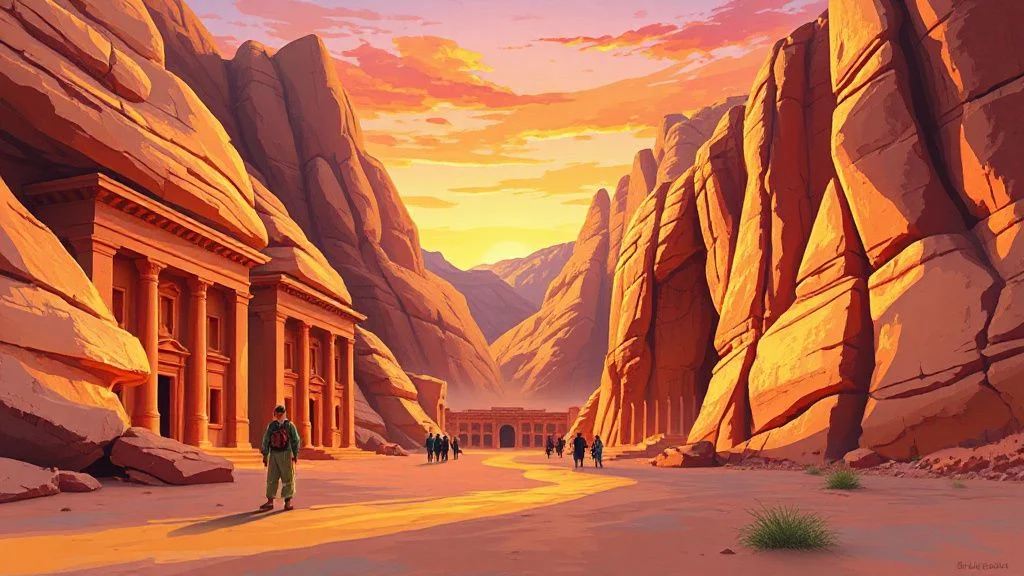
Hegra's history dates back to the 1st century BC. The Nabataeans carved elaborate tombs into the sandstone cliffs, creating a breathtaking architectural legacy that has withstood the test of time. The site features 111 monumental tombs, 94 of which are intricately decorated, showcasing the artistic skills of the Nabataean people. This blend of utility and beauty is a hallmark of Nabataean architecture, which has drawn admiration from historians and architects alike.
UNESCO Recognition
In 2008, Hegra was designated as a UNESCO World Heritage site, recognized for its cultural significance and outstanding universal value. The site is not only a testament to the engineering prowess of the Nabataeans but also serves as a unique representation of the interaction between nature and human creativity.
The UNESCO designation has heightened global awareness of Hegra, attracting researchers and tourists interested in the rich history of the Nabataeans. This recognition has also led to increased efforts to preserve and protect the site from environmental threats and urban development.
Architectural Features and Significance
The Tombs of Hegra
The most striking feature of Hegra is its monumental tombs, which are carved directly into the rock. The façades of these tombs are adorned with elaborate decorations, including motifs that reflect Nabataean beliefs and values. The site illustrates the cultural exchanges that occurred in this region.
In addition to the tombs, Hegra features ancient water wells, showcasing the Nabataeans' advanced understanding of hydraulic engineering. These wells were crucial for the survival of the city, providing water for residents and travelers alike. Understanding this aspect of Hegra's architecture offers valuable insights into how the Nabataeans adapted to their environment, a lesson that remains relevant in today's world.
Cultural Heritage and Preservation Efforts
The cultural heritage of Hegra extends beyond its physical structures. The site contains over 50 inscriptions from the pre-Nabataean period, as well as numerous rock drawings that provide a glimpse into the lives of the people who inhabited this region. This archaeological wealth makes Hegra an invaluable resource for historians and researchers.
Efforts to preserve Hegra are ongoing, with the Saudi government investing in conservation projects to maintain the site’s integrity. Initiatives include controlled tourism practices that ensure visitors can appreciate the site while minimizing environmental impact. The Royal Commission for AlUla (RCU) plays a pivotal role in these efforts, focusing on sustainable development and the protection of cultural heritage.
Visiting Hegra: What Expats Should Know
Access and Transportation
Hegra is located approximately 22 kilometers from AlUla. Typically, visitors can take a flight to AlUla and then use local transport to reach Hegra.
For those planning to drive, rental cars are available in AlUla, and the roads are generally well-maintained. It is advisable to check the local traffic laws and regulations, especially if you're unfamiliar with Saudi driving customs.
Etiquette and Cultural Considerations
When visiting Hegra, it is essential to respect local customs and traditions. Saudi Arabia is a culturally rich nation with deep-rooted traditions, and visitors should dress modestly. For men, this typically means long trousers and shirts with sleeves, while women should wear loose-fitting clothes that cover the arms and legs. A scarf may also be advisable, especially for women, as a sign of respect.
Photography is generally allowed, but it is best to ask permission if you wish to photograph locals. Furthermore, be mindful of etiquette, such as greeting people in Arabic, which can be appreciated by the local community. Simple phrases like "As-salamu alaykum" (peace be upon you) can go a long way in fostering goodwill.
Practical Tips for Expats
Best Time to Visit
The optimal time to visit Hegra is during the cooler months, from October to April. The region can become extremely hot during the summer, making exploration challenging.
Additionally, consider timing your visit to coincide with local events or festivals that feature cultural performances and activities celebrating the region's heritage.
Engaging with the Local Culture
Engaging with the local community can enrich your experience. Many residents of AlUla are eager to share their culture and traditions. You can find various local markets offering traditional crafts, food, and souvenirs. Participating in guided tours led by locals can also provide deeper insights into the history and significance of Hegra.
Moreover, consider exploring other historical sites in the AlUla region, such as the Old Town of AlUla, which offers a glimpse into the rich history of the area beyond Hegra.
Conclusion
Hegra is not just an archaeological site; it is a testament to the ingenuity and artistry of the Nabataean civilization. Its historical significance, architectural marvels, and ongoing preservation efforts make it a vital part of Saudi Arabia's cultural heritage. For expatriates and travelers, visiting Hegra offers a unique opportunity to connect with the rich history of the region and appreciate the stunning beauty of its landscapes. As you plan your visit, keep in mind the practical tips and cultural considerations that will enhance your experience and foster respectful engagement with this remarkable site.
AI-Generated Content: This article was created with AI assistance and may contain inaccuracies. Please verify important information with official sources.