
This guide was synthesized using the latest legislative data and verified by our editorial board. Laws are subject to change; always consult official sources for final confirmation.
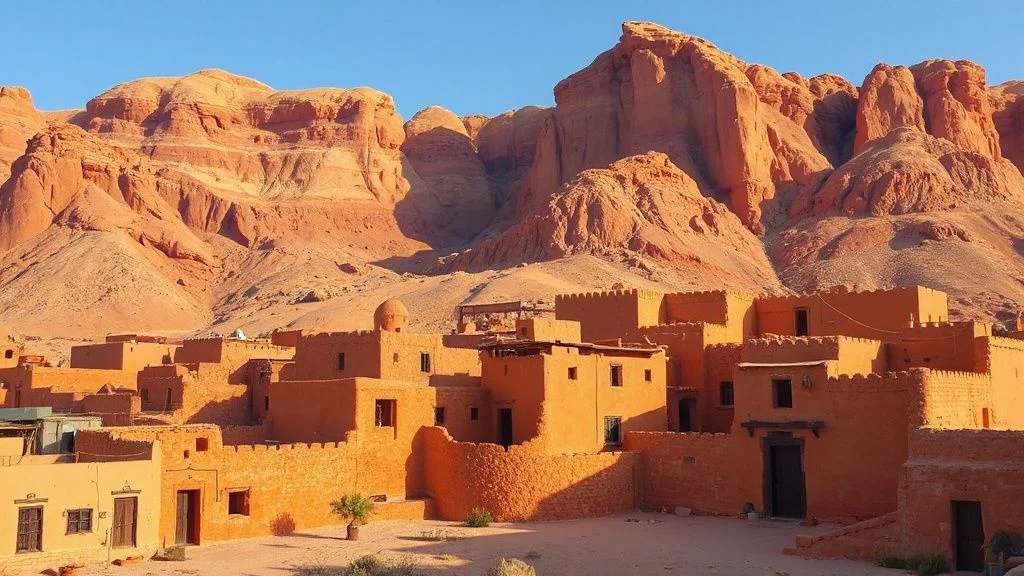
The historic mud brick villages of Al Ula are a captivating blend of natural beauty and rich cultural heritage, reflecting centuries of human adaptation to the desert landscape of northwest Saudi Arabia. In this article, you will learn about the architecture, history, and modern significance of these villages, as well as practical tips for visiting and appreciating their unique legacy.
What can we help you with?
Three short questions, then just how to reach you. No account needed.
Historical Context of Al Ula’s Mud Brick Villages
Al Ula, situated approximately 200 miles north of Medina, has been a vital crossroads for trade routes linking Arabia with the broader world since ancient times. The area is home to a series of mud brick villages that date back over 800 years, showcasing the ingenuity of past civilizations in constructing durable dwellings using locally sourced materials. The most notable among these is the old town of Al Ula itself, which served as a key settlement for the Nabateans, who flourished between the 4th century BCE and the 1st century CE.
The villages are constructed primarily from mud bricks, a traditional building material that has proven to be effective in the harsh desert climate. The thick walls of these structures provide insulation against the extreme temperatures of the region, keeping interiors cool during the day and warm at night. This architectural style exemplifies the resourcefulness of the inhabitants, who ingeniously utilized the abundant earth and clay available in their surroundings.
Architectural Features and Cultural Significance
The mud brick architecture of Al Ula is characterized by narrow alleys, small courtyards, and intricately designed facades that reflect the cultural influences of various civilizations, including the Nabateans and later Islamic societies. Many of these villages showcase an array of artistic elements, such as decorative doorways and unique window designs, which enhance their aesthetic appeal and cultural value.
Additionally, the layout of these villages often reflects the social structures of their communities. Houses were typically built close together, fostering strong social ties among residents. The communal living arrangements allowed for shared resources and support, which were essential for survival in the arid environment. Many of the villages also contain ancient mosques and community centers, serving as focal points for social and religious gatherings.
UNESCO World Heritage Status and Preservation Efforts
In 2008, Al Ula was recognized as a UNESCO World Heritage Site for its remarkable archaeological and historical significance, particularly for Mada’in Saleh, the Nabatean city located nearby. This designation has sparked renewed interest in the preservation of the mud brick villages, leading to various conservation initiatives aimed at protecting these ancient structures from degradation.
The Royal Commission for Al Ula (RCU) has been actively engaged in documenting and restoring these sites, employing advanced technologies such as satellite imaging and 3D modeling to aid in their preservation. These efforts not only help safeguard the physical structures but also promote cultural heritage education among local communities and international visitors.
Practical Tips for Visiting Al Ula’s Historic Villages
For expatriates and international professionals living in Saudi Arabia, visiting the historic mud brick villages of Al Ula can be an enriching experience. Here are some practical tips to enhance your visit:
- Plan Your Visit: The best time to visit Al Ula is from October to March when temperatures are milder. Be sure to check local guidelines and opening hours for specific sites.
- Respect Local Customs: As you explore the villages, be mindful of local customs and traditions. Dress modestly and ask for permission before taking photographs of people or private property.
- Engage with the Community: Consider joining guided tours or local workshops that promote cultural exchange and community engagement. This will provide deeper insights into the history and significance of these sites.
- Participate in Events: Keep an eye out for cultural events and festivals, particularly during the Eid celebrations, when the community comes together to showcase their heritage through music, dance, and art.
What Expats Should Know
Understanding the historic mud brick villages of Al Ula goes beyond mere sightseeing. Engaging with the local culture enriches your experience and fosters connections with the community. Here are a few insider tips for expatriates:
- Learn Basic Arabic Phrases: While English is widely understood, learning a few basic Arabic phrases can enhance your interactions with locals and demonstrate respect for their culture.
- Explore Local Cuisine: Don’t miss the chance to taste traditional Saudi dishes in local eateries. The flavors and culinary techniques often reflect the agricultural practices of the region.
- Be Aware of Cultural Sensitivities: Familiarize yourself with cultural norms, especially regarding gender interactions and public behavior, to avoid misunderstandings.
Conclusion
The historic mud brick villages of Al Ula are not just remnants of the past; they are living symbols of resilience, community, and cultural heritage. As Saudi Arabia embarks on its Vision 2030 initiative, these sites serve as focal points for tourism and education, inviting expatriates and visitors alike to appreciate the rich tapestry of history that shapes the region. By exploring these villages, you contribute to the ongoing legacy of Al Ula, ensuring that its stories and lessons endure for generations to come.
AI-Generated Content: This article was created with AI assistance and may contain inaccuracies. Please verify important information with official sources.