
This guide was synthesized using the latest legislative data and verified by our editorial board. Laws are subject to change; always consult official sources for final confirmation.
As more expatriates settle into the vibrant cities of Riyadh and Jeddah, understanding local waste management practices becomes essential. In this guide, we will explore how household waste collection operates in Riyadh, the recycling landscape, and practical tips for integrating into the community’s sustainability efforts. From understanding the waste collection schedule to knowing what can be recycled, this article aims to equip you with the necessary information to navigate this aspect of life in Saudi Arabia.
What can we help you with?
Three short questions, then just how to reach you. No account needed.
Understanding Waste Collection in Riyadh
Municipal Waste Management
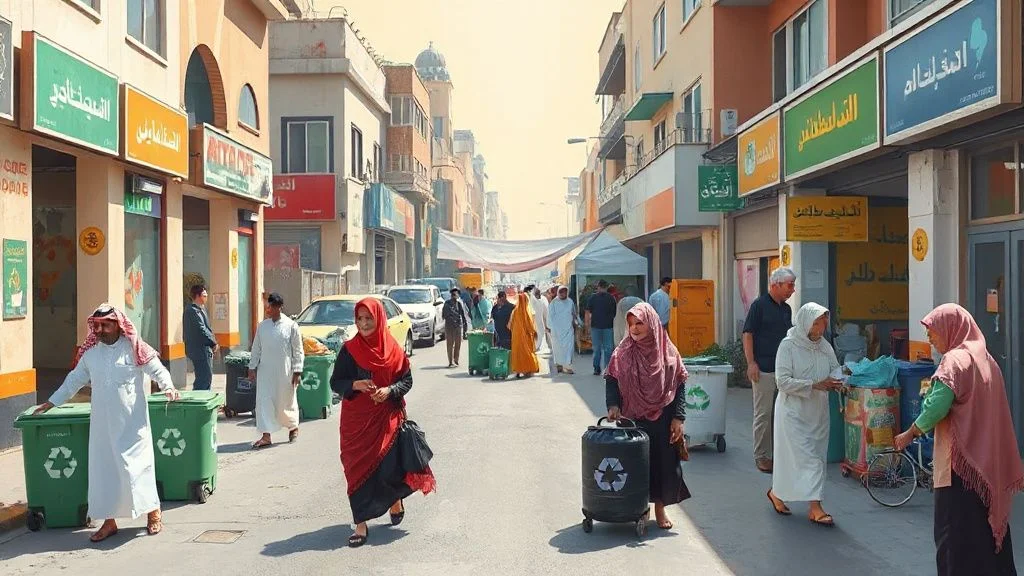
In Riyadh, waste collection is primarily managed by the municipality, which operates a systematic schedule to collect household waste. Typically, waste is collected twice a week in residential areas, but this can vary depending on specific neighborhoods. Most residential communities will have designated bins placed at convenient locations. It's important to familiarize yourself with your local collection days to avoid any overflow or inconvenience.
The types of waste collected include general household refuse, which is primarily composed of organic materials, plastics, paper, and metals. As of our last update, the city aims to improve its waste diversion rates significantly, targeting a diversion of 90% from landfills by 2040. This goal reflects the country's commitment to sustainability and waste management reform.
What to Expect on Collection Days
On collection days, residents should place their waste in the designated bins provided by the municipality. It's common etiquette to ensure that bins are not overfilled and that any items that cannot be collected are set aside properly. If you have larger waste items, such as furniture or appliances, you may need to schedule a special pickup with the local waste management department, as these items are not typically collected with regular household waste.
Moreover, it's advisable to check with your building management or local community for specific guidelines regarding waste disposal, as some high-rise buildings may have their own protocols in place.
Recycling Practices in Riyadh
The Current Recycling Landscape
Recycling in Riyadh is still in its early developmental stages. Currently, the recycling of metals and cardboard is the most common practice, covering about 10-15% of total waste. The informal sector plays a significant role, with waste pickers often collecting recyclable materials from bins and containers across the city. This practice can lead to higher recycling rates in certain areas, sometimes up to 30% of total waste.
In recent years, there has been a push towards formalizing recycling efforts, with increased awareness and infrastructure being developed. Municipalities are working to improve recycling facilities and create more accessible options for residents. Understanding what can be recycled is key: items such as paper, plastics, glass, and metals are typically accepted, while contaminated materials or mixed waste may not be.
How to Recycle as an Expat
To participate in recycling effectively, expatriates should start by educating themselves about the local recycling guidelines. Most neighborhoods provide separate bins for recyclables, clearly marked for paper, plastics, and metals. It’s essential to clean and sort your recyclables before disposal to ensure they can be processed efficiently. You can often find local resources or community groups that share tips on recycling and sustainability practices, making it easier to adapt to these norms.
Additionally, some shopping centers and public institutions in Riyadh have established recycling programs that accept specific items like batteries and electronic waste, helping to promote sustainable practices beyond the household level.
Cultural Nuances in Waste Management
Community Engagement and Awareness
In Saudi Arabia, there is a growing emphasis on environmental stewardship, and engaging with the local community can enhance your understanding of waste management practices. Many neighborhoods host community clean-up events or educational workshops on recycling and waste reduction. Participating in these initiatives can be an excellent way for expatriates to connect with locals while contributing positively to the community.
Understanding local customs around waste management can also facilitate smoother interactions. For instance, it is acceptable to ask your neighbors for guidance on proper waste disposal methods, and most will appreciate your interest in engaging with the local culture.
Adapting to the Local Environment
As you settle into life in Riyadh, adapting to local waste management practices will help you integrate into the community. Comparing Riyadh's waste management systems to what you may be used to in the UK or North America can provide perspective. For instance, while many Western cities have robust recycling programs and a wide array of curbside collection services, Riyadh’s system is evolving, and your contribution can help accelerate that progress.
Moreover, consider implementing personal strategies for waste reduction, such as using reusable bags and containers, which aligns with local efforts to reduce landfill waste. Being proactive in your waste management habits not only benefits the environment but also sets a positive example for your peers and those around you.
Practical Tips for Expatriates
What Expats Should Know
- Stay informed about your neighborhood's waste collection schedule and designated bin locations.
- Familiarize yourself with recycling rules, including acceptable materials and preparation methods.
- Engage in community recycling initiatives to build connections and deepen your understanding of local practices.
- Consider the environmental impact of your purchases, opting for products with minimal packaging.
- Utilize local resources for information on special waste disposal events, particularly for larger items and electronic waste.
Conclusion
Understanding household waste collection and recycling in Riyadh is an integral part of living in Saudi Arabia as an expatriate. By familiarizing yourself with local practices, participating in community initiatives, and adapting your habits, you can contribute positively to the city's sustainability efforts. As Riyadh continues to develop its waste management infrastructure, your involvement can help pave the way for a cleaner, more environmentally friendly city.
AI-Generated Content: This article was created with AI assistance and may contain inaccuracies. Please verify important information with official sources.