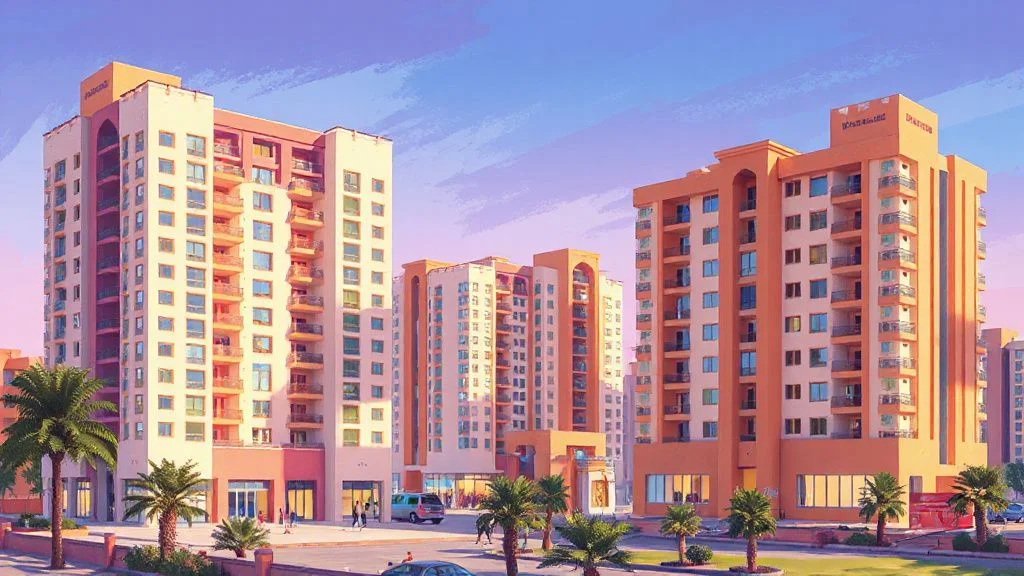
Moving into a villa in one of Jeddah’s vibrant districts is an exciting step for expatriates relocating to Saudi Arabia. However, understanding how to reclaim your security deposit at the end of your lease can be a complex process. This article will guide you through the intricacies of the deposit return process, highlighting your rights as a tenant, typical deductions, and practical tips to ensure you get your money back.
What can we help you with?
Three short questions, then just how to reach you. No account needed.
Understanding the Security Deposit in Saudi Arabia
In Saudi Arabia, security deposits are a standard part of the rental process. Typically set at one to two months' rent, these deposits serve as a financial safeguard for landlords against potential damages to the property or unpaid rent. Under the Ejar system, which governs rental agreements in the kingdom, the deposit is held securely, and its return is contingent upon the property’s condition at the end of the lease.
For example, if you are renting a villa in Jeddah for SAR 44,200 (2026-10-16) per year, your security deposit is typically agreed upon during contract registration and is held securely by the Ejar portal as a neutral custodian.
The Process of Returning Your Deposit
1. Handover Procedure
As your lease comes to an end, the handover procedure is one of the most critical steps in reclaiming your deposit. It is essential to conduct a thorough inspection of the villa with your landlord or property manager. This is your opportunity to identify any damages and discuss the condition of the property.
During this inspection, take detailed notes and photographs of the property’s condition. Document any existing wear and tear, as this will help you defend against potential unjust deductions. The Ejar platform encourages tenants and landlords to conduct this inspection together, promoting transparency and fairness.
2. Understanding Wear and Tear vs. Damage
In Saudi Arabia, there’s a legal distinction between 'fair wear and tear' and 'damage'. Fair wear and tear refers to the natural deterioration of the property due to normal use. Examples include minor scuff marks on walls from furniture movement or minor fading of paint due to sunlight exposure. These types of issues should not lead to deductions from your deposit.
Conversely, damage refers to issues that arise from misuse or neglect. This includes broken windows, large holes in walls, or stains that cannot be cleaned. If the landlord identifies damages, they are entitled to deduct repair costs from your deposit. However, they cannot charge you for normal wear and tear. Understanding this distinction is crucial for ensuring that deductions are fair and justified.
Common Deductions and How to Avoid Them
1. Typical Charges
Landlords may attempt to deduct amounts from your security deposit for various reasons, some of which can be legitimate, while others may be questionable. Common deductions include:
- Cleaning fees: If the villa is not returned in a clean state, landlords often charge for professional cleaning services. To avoid this, ensure that the villa is thoroughly cleaned before the final inspection.
- Repairs for damage: As previously mentioned, any damages caused during your tenancy may be deducted. Regular maintenance checks and reporting issues promptly can help mitigate this.
- Replacement costs for missing items: If any furnishings or appliances included in the lease are missing or damaged beyond repair, the landlord may charge you for replacements. Always check the inventory list before moving in and document the condition of each item.
2. Protecting Your Rights
To protect your rights as a tenant, it is advisable to maintain open communication with your landlord throughout your lease. Document all correspondence and keep records of any maintenance issues, including dates and times when you reported them. This will strengthen your case if any disputes arise regarding your deposit return.
Moreover, familiarize yourself with the Ejar platform. It is essential in documenting your lease agreement and any communication regarding your deposit. At the end of your lease, when you submit a request for your deposit return, ensure that any deductions are clearly itemized and justified.
Legal Framework and Tenant Rights
The legal framework governing rental agreements in Saudi Arabia is designed to protect both landlords and tenants. The Real Estate Rental Law outlines the rights and responsibilities of each party. As a tenant, you have the right to:
- Receive your deposit back, provided the property is returned in good condition.
- Challenge any unjustified deductions. If you believe that your landlord is unfairly withholding your deposit, you can file a complaint with the Real Estate Rental Disputes Committee.
- Expect the property to be in a habitable condition throughout your lease. Landlords are obligated to maintain the property and address any issues that may arise.
Practical Tips for Expats
1. Conduct a Move-In Inspection
Before you move in, conduct a thorough inspection of the villa. Document any existing damage or issues in writing, and take photos to create a visual record. Share this documentation with your landlord and request a signed acknowledgment of the property’s condition. This will protect you from potential disputes when it’s time to move out.
2. Maintain Open Communication
Establishing a good relationship with your landlord can significantly impact your renting experience. If you encounter any issues during your tenancy, communicate these promptly. A proactive approach can prevent many problems and misunderstandings that might affect your deposit return.
3. Know Your Rights
Familiarize yourself with your rights as a tenant under the Real Estate Rental Law. Understanding your entitlements and the legal framework will empower you when negotiating with your landlord regarding your deposit.
4. Use Professional Cleaning Services
If you’re concerned about cleaning costs, consider hiring a professional cleaning service before your final inspection. While this may incur additional costs, it can save you from potential deductions and ensure you leave the property in excellent condition.
Conclusion
Reclaiming your security deposit after leasing a villa in Jeddah is a process that requires attention to detail and an understanding of your rights as a tenant. By conducting thorough inspections, maintaining clear communication with your landlord, and documenting the condition of the property, you can significantly increase your chances of receiving your deposit back in full. Always verify the condition of the property and keep records of all interactions with your landlord through the Ejar platform. By being proactive and informed, you can navigate the complexities of the rental process in Saudi Arabia with confidence.
Primary Sources
Last updated: November 2026