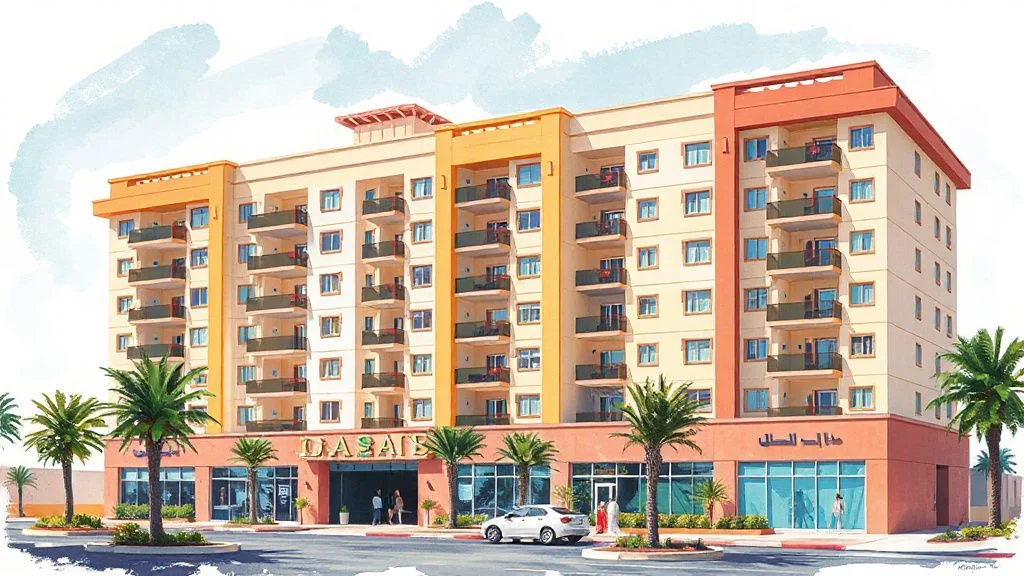
Renting a flat in the Eastern Province of Saudi Arabia can be a rewarding experience for expatriates, providing access to a vibrant culture and modern amenities. However, understanding the lease termination process is crucial for a smooth transition when it's time to move on. This article delves into the key aspects of how a lease ends, including legal requirements, tenant rights, and practical considerations for expats.
What can we help you with?
Three short questions, then just how to reach you. No account needed.
Understanding Lease Termination in Saudi Arabia
In Saudi Arabia, the lease termination process is governed by a combination of civil law and specific regulations. The introduction of the Civil Transactions Law in 2023 has brought significant changes, emphasizing transparency and fairness in landlord-tenant relationships. All leases, whether residential or commercial, must be registered through the Ejar platform, which enhances the enforceability of contracts.
Typically, a lease agreement will specify the duration of the tenancy, which can range from one year to several years, depending on the terms negotiated. Understanding the terms of your lease is critical, as it dictates how you can end the lease and the notice period required.
Notice Requirements for Termination
When it comes to ending a lease, both landlords and tenants must follow the notice requirements outlined in the lease agreement. Generally, tenants are required to provide notice to their landlord before their intended move-out date. This gives landlords adequate time to make arrangements for the next tenant. However, the exact notice period can vary, so it is essential to review your lease for specific details.
If a tenant fails to provide the required notice, they may face consequences as outlined in their lease agreement. It's advisable to document the notice in writing and keep a copy for your records. This practice can help avoid disputes later on regarding whether proper notice was given.
Grounds for Lease Termination
Leases can be terminated for several reasons, including the end of the lease term, mutual agreement between the landlord and tenant, or a breach of contract. For example, if a tenant fails to pay rent on time or violates any terms of the lease, the landlord may have grounds for termination. Conversely, tenants may terminate a lease without cause only if specific provisions allow such action, which should be clearly stated in the lease agreement.
In cases where a tenant wishes to terminate the lease early, it's crucial to communicate openly with the landlord. Often, landlords may be willing to negotiate terms, especially if they can find a new tenant quickly. However, tenants should be prepared to fulfill any contractual obligations, which may include paying rent until the lease is officially terminated or finding a replacement tenant.
Returning the Security Deposit
Upon vacating the flat, tenants are entitled to the return of their security deposit, provided they have adhered to the terms of the lease. Landlords will conduct a final inspection of the property to assess any damages beyond normal wear and tear. It is common practice for landlords to return the deposit after the lease ends, following their internal policies.
To ensure the return of the security deposit, tenants should leave the flat in good condition, addressing any minor repairs if necessary. Taking photographs of the property’s condition before moving out can also serve as useful documentation in case of disputes over damages.
Cultural Considerations for Expats
For expatriates, navigating the lease termination process in the Eastern Province involves understanding local customs and practices. Saudi culture places a strong emphasis on respect and communication. Therefore, when discussing lease termination with a landlord, it's beneficial to approach the conversation respectfully and professionally. Building rapport can lead to a smoother transition and may even open up opportunities for lease negotiations.
Additionally, familiarize yourself with local regulations regarding rental agreements and tenant rights. The Ejar platform is a valuable resource for expats, as it provides information on standard lease agreements and the rights of tenants. Always keep a copy of your lease handy for reference during discussions with your landlord.
Practical Tips for Ending a Lease
As you prepare to end your lease in the Eastern Province, consider the following practical tips:
- Review Your Lease: Understand the terms, conditions, and termination clauses outlined in your lease agreement.
- Communicate Early: Notify your landlord of your intention to move out well in advance of your lease expiration.
- Document Everything: Keep copies of all correspondence with your landlord and take photos of the flat to document its condition.
- Be Professional: Approach discussions about lease termination with respect and professionalism to maintain a good relationship with your landlord.
- Know Your Rights: Familiarize yourself with tenant rights under Saudi law to protect yourself during the termination process.
Conclusion
Ending a lease on a flat in the Eastern Province involves understanding the legal requirements, notice periods, and grounds for termination. By being proactive and communicating effectively with your landlord, you can navigate this process smoothly. Remember to leave the property in good condition to ensure the return of your security deposit. With these insights, expatriates can confidently manage their lease termination and move forward to new opportunities in Saudi Arabia.
Primary Sources
Last updated: November 2026