This guide was synthesized using the latest legislative data and verified by our editorial board. Laws are subject to change; always consult official sources for final confirmation.
When relocating to Saudi Arabia, particularly in urban centers like Riyadh or Jeddah, many expatriates quickly realize the importance of having a reliable vehicle, especially if they plan to explore the vast deserts. Importing a 4x4 can be an exciting venture, but it comes with its own set of regulations, costs, and considerations. This article will guide you through what expats typically buy when it comes to importing 4x4 vehicles for desert driving, along with essential tips.
Why Choose a 4x4 for Desert Driving?
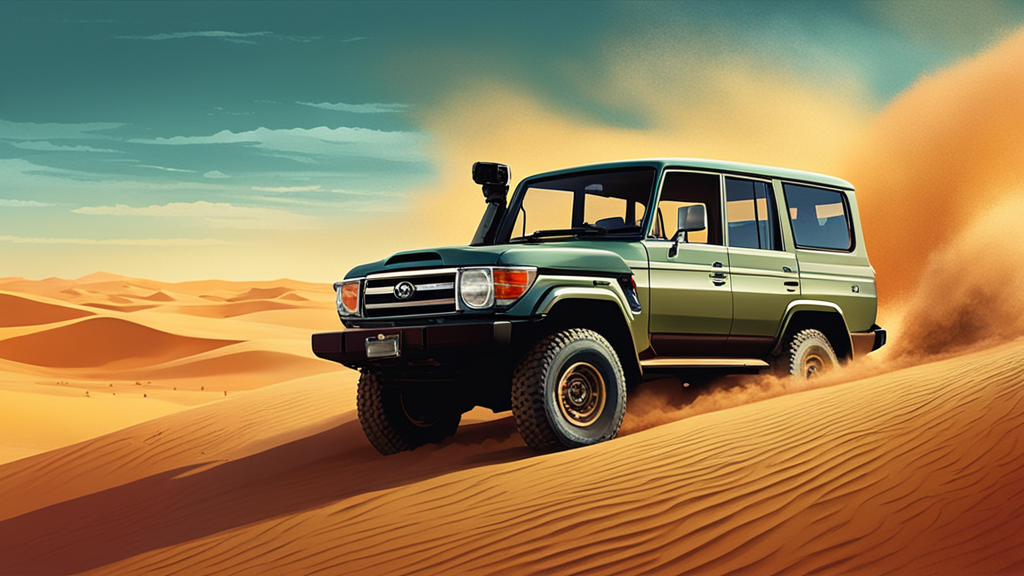
Saudi Arabia's diverse landscape includes everything from sprawling urban areas to challenging desert terrains. A 4x4 vehicle is not just a mode of transport; it’s a necessity for navigating the sandy dunes of the Rub' al Khali and other off-road adventures. Expats often prefer 4x4s for their durability and capability in harsh conditions, making them perfect for weekend excursions or extended road trips.
Additionally, 4x4s tend to offer more space and comfort, which is beneficial for families or groups planning to travel together. The ability to handle rough terrains while providing a smooth ride on highways makes these vehicles a popular choice among expatriates.
Popular 4x4 Models Among Expats
Expats in Saudi Arabia typically gravitate toward a few reliable models that have proven their worth in the desert driving scene. While personal preferences vary, some of the most commonly imported vehicles include:
- Toyota Land Cruiser: Renowned for its rugged build and off-road capabilities, the Land Cruiser is a favorite for desert enthusiasts. Its powerful engine and advanced 4WD system make it ideal for climbing dunes and navigating sandy paths.
- Nissan Patrol: Known for its comfort and performance, the Patrol combines luxury with off-road functionality, making it suitable for both city driving and desert adventures.
- Ford Bronco: This model has gained popularity for its blend of modern features and robust off-road capabilities, ideal for an adventurous lifestyle.
These models are not just about power; they also come equipped with technology that enhances safety and driving experience, which is crucial for navigating the challenging environments often encountered in Saudi Arabia.
Understanding Import Regulations
Before you can enjoy the thrill of desert driving, it’s essential to understand the import regulations in Saudi Arabia. As of recent updates, the following points are critical for expatriates looking to import a 4x4:
- Age Limit: Vehicles must be less than five years old from the date of manufacture to be eligible for import.
- Customs Duties: Expect to pay a customs duty of 5% on the vehicle's CIF (Cost, Insurance, Freight) value, along with a 15% VAT on the total customs value.
- Document Requirements: You will need a valid iqama, a Saudi driving license, and proof of vehicle insurance before registration can occur.
It’s advisable to work with a reliable shipping and customs agent familiar with the local regulations to ensure a smooth import process.
Cost Considerations
When budgeting for the import of a 4x4, expatriates should account for several costs beyond the purchase price, which can vary widely based on the make and model. Here are some typical expenses to consider:
- Shipping Fees: Depending on your country of origin, shipping costs can range significantly. It's crucial to obtain quotes from multiple shipping companies.
- Customs Duties and Taxes: As mentioned earlier, customs duties and VAT will add a significant amount to your overall cost. For instance, if a vehicle is valued at SAR 150,000, the combined duties would total SAR 30,000 (5% customs and 15% VAT on the total). This means a vehicle costing around USD 40,000 could end up costing nearly USD 10,000 more once all fees are included.
- Insurance: Comprehensive insurance is typically required for financed vehicles and is essential for peace of mind when driving in remote areas.
Overall, expats should budget not only for the vehicle purchase but also for these additional costs to avoid any surprises along the way.
Practical Tips for Expats Importing a 4x4
Here are some insider tips to make the process of importing a 4x4 smoother for expatriates:
- Research Thoroughly: Familiarize yourself with the local market and the types of vehicles that are popular among expats. Online forums and expat groups can provide valuable insights.
- Join Off-Road Clubs: Connecting with local off-road clubs can enhance your experience. These clubs often organize events and provide guidance on the best practices for desert driving.
- Take Safety Precautions: Always carry necessary recovery gear, such as tow straps and sandboards, and ensure someone knows your travel plans when heading into remote areas.
By being prepared and informed, you can enjoy the thrill of desert driving while ensuring a smooth import experience.
Conclusion
Importing a 4x4 for desert driving in Saudi Arabia offers expatriates the opportunity to explore the stunning landscapes of the Kingdom while enjoying the comfort and capabilities of a robust vehicle. Understanding the popular models, import regulations, and costs associated with ownership can greatly enhance your experience. With the right preparation and knowledge, you’ll be well on your way to enjoying thrilling adventures in the Saudi deserts.
AI-Generated Content: This article was created with AI assistance and may contain inaccuracies. Please verify important information with official sources.
Exchange rate used in this article: 1 USD = 3.75 SAR (rate as of 2026-10-12T08:00:25.206099+00:00, source: Saudi Central Bank (SAMA)).
Primary Sources
Last updated: October 2026