This guide was synthesized using the latest legislative data and verified by our editorial board. Laws are subject to change; always consult official sources for final confirmation.
As electric vehicles (EVs) become increasingly popular worldwide, many expatriates relocating to Saudi Arabia may consider importing their electric cars. Understanding the charging landscape in this rapidly evolving market is critical for a smooth transition. This article provides an in-depth look at the realities of charging an electric vehicle in Saudi Arabia, regulatory considerations for importation, and practical advice tailored for international professionals.
The Growing EV Market in Saudi Arabia
The adoption of electric vehicles in Saudi Arabia has seen significant traction, particularly as part of the Kingdom's Vision 2030 initiative, which emphasizes sustainability and diversification away from oil dependency. This has led to substantial investments in local manufacturing and infrastructure to support EVs. The Public Investment Fund (PIF) has committed billions to enhance the EV ecosystem, which includes establishing local brands and manufacturing plants, such as those by Falcon EV and Lucid Motors.
As of 2023, the Saudi government aims for a substantial percentage of new vehicle sales to be electric, reflecting a broader global shift towards greener alternatives. This commitment not only includes importing EVs but also developing the necessary infrastructure to support them. Understanding these dynamics is crucial for expats who plan to import their electric vehicles into the Kingdom.
Charging Infrastructure: What to Expect
Current Charging Stations
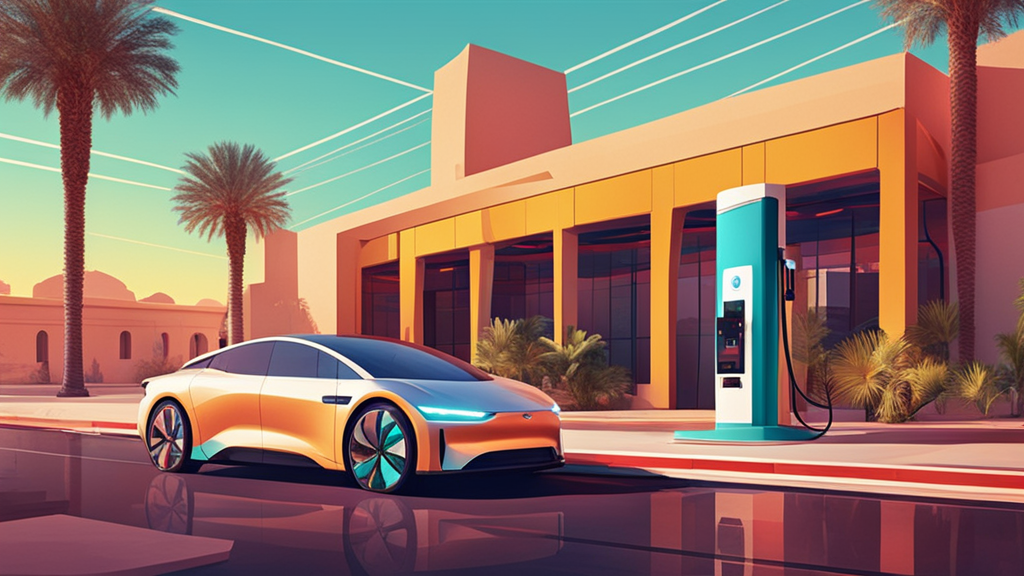
The charging infrastructure in Saudi Arabia is evolving quickly, with the government and private entities working to deploy fast-charging stations across the country. Major highways connecting cities like Riyadh, Jeddah, and Dammam have seen the installation of numerous fast-charging points, enabling drivers to recharge their vehicles conveniently. Typically, these charging stations are located near major shopping centers, gas stations, and rest areas, making long-distance travel feasible without the fear of running out of battery.
By 2030, the goal is to have a comprehensive network that covers not just the major urban areas but also remote regions, ensuring that drivers have access to charging facilities. As of now, you can expect to find charging stations in key locations, such as retail centers and near popular tourist destinations, which are particularly beneficial for expats looking to explore the country.
Charging Types and Times
In Saudi Arabia, EV owners can typically access three main types of charging options: Level 1, Level 2, and fast chargers. Level 1 chargers are basic household outlets, which are slower and more suitable for overnight charging. Level 2 chargers, often found in public spaces, can recharge a vehicle in a few hours. Fast chargers can provide a significant charge (up to 80%) in as little as 30 minutes, making them ideal for road trips or urgent needs.
Understanding the battery capacity of your vehicle and the types of chargers available will help you plan your trips effectively. For example, if your EV has a range of 300 km, you can comfortably travel between Riyadh and Jeddah, which is about 950 km apart, by strategically stopping at fast-charging stations along the way. Familiarizing yourself with the charging network and the location of these stations will significantly enhance your driving experience in the Kingdom.
Importing Your Electric Vehicle: Key Considerations
Regulatory Framework
The importation of electric vehicles into Saudi Arabia is subject to specific regulations set forth by the Saudi Standards, Metrology and Quality Organization (SASO). These standards ensure that imported EVs comply with local safety and performance benchmarks. As of our last update, customs regulations have become more favorable for EVs, distinguishing them from traditional combustion vehicles and offering incentives to promote their adoption.
Typically, the import process involves ensuring that your vehicle is compliant with SASO regulations, which may require documentation proving the vehicle’s environmental impact and safety features. It’s advisable to work closely with your shipping agent to navigate these requirements smoothly. The import duty on electric vehicles is generally lower compared to gasoline cars, which can lead to significant savings.
Documentation and Process
When preparing to import your electric vehicle, you will need several key documents, including your vehicle's original title, proof of purchase, and a certificate of conformity that verifies compliance with Saudi standards. Additionally, you may need to provide insurance documentation and your iqama (residency permit) information.
It's critical to engage a reliable shipping agent experienced in vehicle imports to assist with customs clearance and paperwork. They can help you navigate the complexities of the process, ensuring that your vehicle arrives safely and is registered correctly in the Kingdom.
Practical Tips for Expats
Understanding Local Customs and Charging Etiquette
Adapting to local customs is vital for expatriates in Saudi Arabia. When using public charging stations, it's courteous to unplug your vehicle promptly once charging is complete, especially if others are waiting. Given that the EV market is still developing, charging stations may not be as ubiquitous as in Western countries, so being considerate goes a long way in fostering community goodwill.
Additionally, familiarize yourself with the local driving laws and practices. For instance, while Saudi Arabia has made strides in promoting electric vehicles, traditional fuel stations still dominate, and you may encounter long waits at charging stations during peak hours. Planning your charging stops during off-peak times can help alleviate potential delays.
Community and Resources
Joining local expat groups and online forums can be invaluable for sharing experiences and advice regarding electric vehicle usage in Saudi Arabia. Many expatriates share their insights on where to find the best charging stations, tips on navigating customs, and personal anecdotes about their experiences with EVs in the Kingdom. This community support can provide practical advice tailored to your specific needs, making your transition smoother.
Additionally, several mobile applications provide real-time information about charging station availability, which can be a game-changer for planning your journeys. Utilizing these resources will help you stay informed and connected with other EV users in the region.
Conclusion
Importing an electric vehicle into Saudi Arabia presents unique opportunities and challenges. With the Kingdom's commitment to expanding charging infrastructure and promoting sustainable transport, expats can look forward to a more accessible EV landscape. Understanding the regulatory framework, charging realities, and local customs will significantly enhance your experience and ensure a seamless transition. Engaging with local communities and utilizing available resources will further enrich your journey as you embrace this new chapter in the Kingdom.
AI-Generated Content: This article was created with AI assistance and may contain inaccuracies. Please verify important information with official sources.
Primary Sources
Last updated: October 2026