
This guide was synthesized using the latest legislative data and verified by our editorial board. Laws are subject to change; always consult official sources for final confirmation.
As an expatriate in Saudi Arabia, particularly in bustling cities like Riyadh and Jeddah, understanding the reliability of public transport is essential for daily commuting. With the Kingdom investing heavily in infrastructure as part of its Vision 2030 initiative, public transport systems are evolving rapidly. This article will delve into the current state of public transport, including metro, buses, and taxis, while offering practical advice and insights for expatriates navigating this new landscape.
What can we help you with?
Three short questions, then just how to reach you. No account needed.
Overview of Public Transport Systems
Saudi Arabia has made significant strides in public transport over recent years. Major cities like Riyadh and Jeddah have implemented comprehensive transportation systems that include metro services, city buses, and inter-city trains. These developments aim to provide reliable and affordable transport options for residents and visitors alike.
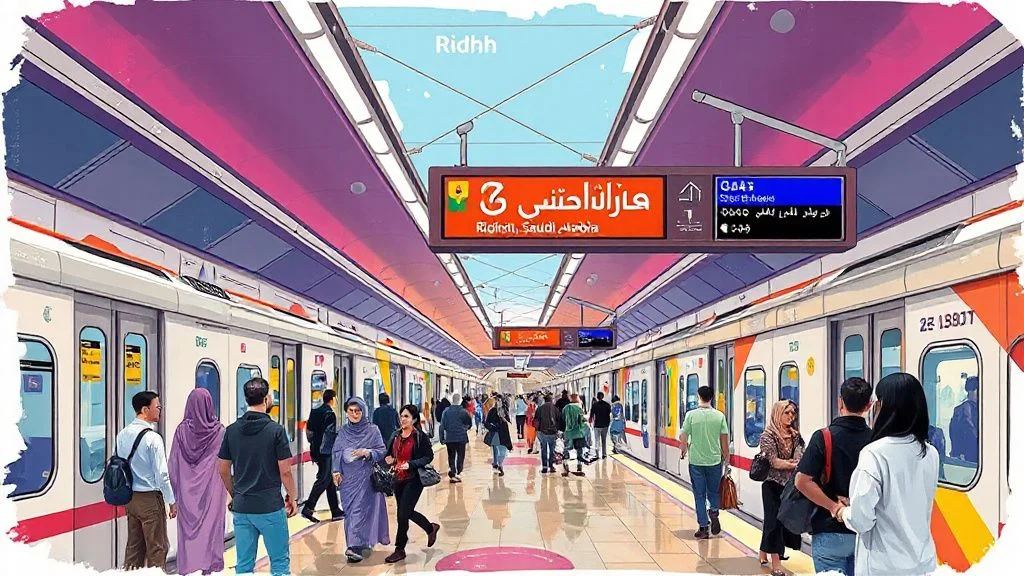
In Riyadh, the Riyadh Metro is a flagship project that has been under construction and is gradually rolling out services. The metro is designed to connect various districts, making it easier for residents to travel without relying on personal vehicles. The initial lines focus on key areas, with further expansions planned to enhance connectivity.
Riyadh Metro
The Riyadh Metro is expected to play a crucial role in daily commuting. Once fully operational, it aims to transport hundreds of thousands of passengers daily. As of now, metro fares are projected to be affordable, typically ranging between 4–8 SAR ($1–2) per ride, depending on the distance traveled. Expats can expect the metro to feature modern amenities and punctual services, making it a reliable option for daily use.
City Buses
In addition to the metro, Riyadh has introduced city buses that operate on various routes throughout the capital. These buses also have flat or distance-based fares, usually around 3–5 SAR ($0.80–$1.30) per trip. The bus network is designed to complement the metro, providing further accessibility to neighborhoods that may not be directly served by metro lines. However, while the bus system is improving, it is still essential for users to plan their routes carefully due to variable schedules and potential delays.
Public Transport in Jeddah
Jeddah, another major city, is also enhancing its public transport offerings. Although it lags slightly behind Riyadh in terms of metro development, Jeddah has a network of buses that serve the city effectively. The Jeddah Bus project aims to improve public transport by introducing dedicated bus lanes and modern buses. Residents can expect to pay similar fares to those in Riyadh, making it a cost-effective option for daily commutes.
Current Challenges and Perceptions
Despite the advancements in public transport, challenges remain. Cultural perceptions of public transport can affect its usage; many residents still view public transport as a mode of transport for those who cannot afford private vehicles. This can create a stigma that discourages individuals from utilizing these services. Expats should be aware of this cultural context and may find that using public transport can sometimes be met with skepticism from locals.
Another concern is the reliability of services. While the metro and bus systems are intended to be reliable, delays can occur due to traffic, maintenance issues, or other unforeseen circumstances. It's advisable for expats to allow extra time when planning their commutes, especially during peak hours when services may be busier.
Ride-Hailing Services: A Complement to Public Transport
For expatriates, ride-hailing services such as Uber and local alternatives provide an additional layer of convenience. These services are widely used in both Riyadh and Jeddah, offering an efficient way to navigate the cities without the challenges of public transport. Typical fares for ride-hailing from the airport to central locations range from 60–100 SAR ($16–27) in Jeddah and 80–130 SAR ($21–35) in Riyadh, depending on distance and time of day.
Using ride-hailing apps can also be beneficial for those unfamiliar with the public transport system, as they provide the flexibility to travel directly to specific destinations without the hassle of transfers or waiting for buses. However, it is essential to consider that these services can be more expensive than public transport options, especially for daily commuting.
Practical Tips for Expats
- Stay Informed: Follow local news and transport announcements to stay updated on any changes to services, new routes, or fare adjustments.
- Plan Your Route: Use navigation apps to determine the best routes and transportation options available. This is particularly helpful for expats who may not be familiar with the city layouts.
- Use Contactless Payment: Many public transport systems now offer contactless payment options, including rechargeable transport cards and app-based tickets. This can streamline your commuting experience and reduce the need for cash transactions.
- Consider Off-Peak Travel: If possible, try to schedule commutes during off-peak hours to avoid overcrowding and delays. This can make for a more pleasant travel experience.
- Embrace Local Culture: Engaging with local customs and practices can enhance your experience. While public transport may not be the norm for everyone, using it can provide insights into daily life in Saudi Arabia.
Conclusion
Public transport in Saudi Arabia, particularly in cities like Riyadh and Jeddah, is on an upward trajectory, thanks to substantial investments in infrastructure and services. While challenges such as cultural perceptions and occasional reliability issues exist, the metro, bus systems, and ride-hailing services provide viable commuting options for expatriates. By staying informed, planning routes, and embracing local customs, expats can navigate the evolving public transport landscape effectively. With time, the public transport system may become an integral part of daily life for many expatriates in Saudi Arabia.
AI-Generated Content: This article was created with AI assistance and may contain inaccuracies. Please verify important information with official sources.
Exchange rate used in this article: 1 USD = 3.75 SAR (rate as of 2026-10-22T16:08:48.258692+00:00, source: Saudi Central Bank (SAMA)).
Primary Sources
Last updated: October 2026