
This guide was synthesized using the latest legislative data and verified by our editorial board. Laws are subject to change; always consult official sources for final confirmation.
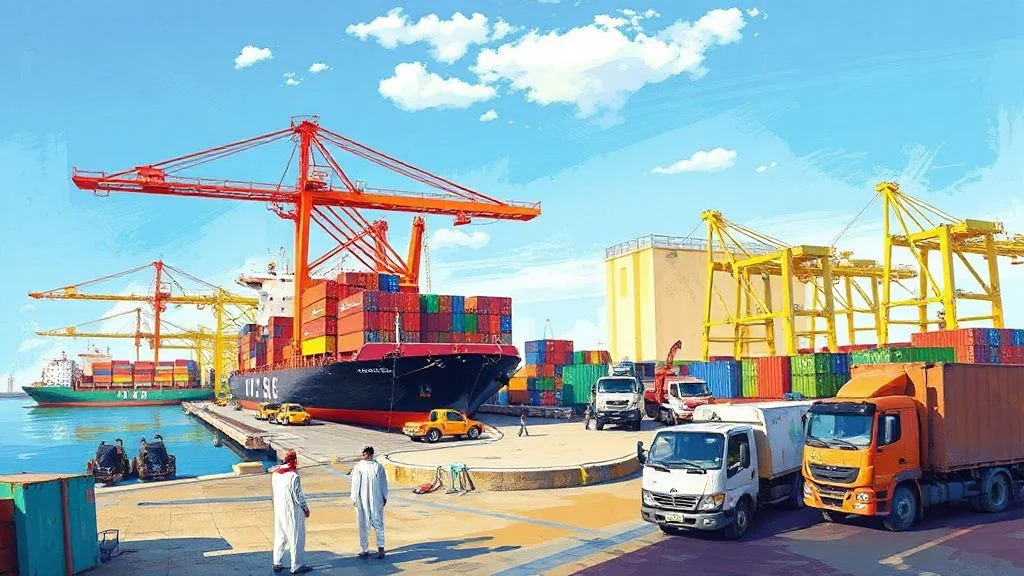
The Jeddah Islamic Port is one of the busiest ports in the Middle East and serves as a critical gateway for international shipments entering Saudi Arabia. For expatriates and international professionals relocating to or living in Saudi Arabia, understanding the container processing journey at Jeddah Port is essential for efficient logistics management. In this article, we will explore the various stages your container goes through from arrival at the port to its release, providing practical tips and insights to navigate this process smoothly.
What can we help you with?
Three short questions, then just how to reach you. No account needed.
Arrival at Jeddah Islamic Port
Upon arrival, your container is unloaded from the vessel and transferred to a designated terminal within the port. Jeddah Islamic Port has multiple terminals handling different types of cargo, including general cargo, containers, and bulk commodities. Typically, each terminal operates under the supervision of the Saudi Ports Authority, ensuring compliance with safety and customs regulations.
As of our last update, congestion has been a significant issue at Jeddah Port, with yard utilization rates reaching as high as 90%. This congestion can lead to delays in processing and container release. Therefore, it's advisable to monitor port conditions before scheduling your shipment. You may want to check online resources or contact freight forwarders who can provide real-time updates on port traffic.
Initial Processing
Once your container has been unloaded, it is transported to a storage yard. Here, the terminal operator will conduct an initial inspection to ensure that the container is intact and meets safety regulations. During this stage, any discrepancies or damages must be documented as they may affect the release process later.
Typically, containers remain in this holding area until customs clearance is completed. However, during times of congestion, containers can be held longer than usual, sometimes for several days. Therefore, it’s wise to factor in potential delays when planning your logistics. Engaging a local customs broker can expedite this process, as they are familiar with the necessary documentation and procedures.
Customs Clearance Process
The customs clearance process is a critical step in releasing your container from Jeddah Islamic Port. To initiate this, you will need to provide several documents, including the bill of lading, commercial invoice, and any permits required for specific goods. Make sure these documents are accurate and complete to avoid unnecessary delays.
Typically, customs clearance can take anywhere from a few hours to several days, depending on the complexity of your shipment and the current workload of customs authorities. In recent months, it’s been observed that delays due to port congestion have caused customs processing times to extend significantly, sometimes reaching two weeks.
Inspections and Duties
Once your documents are submitted, customs officials may conduct inspections of the cargo. This step is particularly relevant for containers that carry goods subject to additional regulatory scrutiny, such as food items or electronics. Be prepared for the possibility of additional inspections, which can further delay the release of your container.
Additionally, you will be required to pay any applicable duties and fees before your container can be released. Charges vary based on the type and value of the goods. Understanding these costs upfront can help in budgeting for your shipping expenses. As a reference, the customs duties generally range from 5% to 20% of the declared value of the goods, depending on their classification.
Container Release and Pickup
Once customs clearance is complete and all fees have been paid, you will receive a release order. This document is essential for picking up your container from the port. It’s advisable to keep multiple copies of the release order handy, as you may need to present it at different checkpoints within the port.
Upon arrival at the port for pickup, you will go through several checkpoints. Ensure that you have the following documents ready: the release order, identification, and any additional paperwork related to your shipment. The process can take time, especially during peak periods when many containers are being released simultaneously.
Transportation Options Post-Release
After successfully retrieving your container, the next step is transporting it to your final destination. Depending on your needs, you can either choose to hire a local trucking service or arrange for your vehicle to transport the container. Local transportation costs can vary significantly; for instance, moving a container from Jeddah to Riyadh could cost between 1,000 SAR ($267) and 2,000 SAR ($533) depending on the trucking company and distance.
Another consideration is the need for temporary storage if you aren’t able to transport the container immediately. Several logistics companies near the port offer warehousing solutions, which can be a practical option while you finalize your plans.
Practical Tips for Expatriates
For expatriates navigating the container release process at Jeddah Islamic Port, here are some practical tips:
- Engage a Local Freight Forwarder: A reliable freight forwarder can handle many logistical aspects, including customs clearance, documentation, and transportation, ensuring a smoother experience.
- Stay Informed: Regularly check for updates on port congestion and customs processing times. This information can help you adjust your logistics plans and manage expectations.
- Document Everything: Ensure all documents are complete and accurate to avoid delays. Keep copies of everything, including invoices and customs papers, readily accessible.
- Plan for Delays: Always factor in extra time for customs clearance and port processing, especially during busy periods.
- Know Your Rights: Familiarize yourself with Saudi customs regulations and your rights as an importer to avoid any misunderstandings.
Conclusion
Understanding the container processing journey at Jeddah Islamic Port can significantly ease the relocation experience for expatriates. From the moment your container arrives to the final pickup, each stage requires attention to detail and planning. By staying informed and engaging local experts in logistics, you can navigate the complexities of port operations and ensure a successful transition to your new home in Saudi Arabia.
AI-Generated Content: This article was created with AI assistance and may contain inaccuracies. Please verify important information with official sources.
Exchange rate used in this article: 1 USD = 3.75 SAR (rate as of 2026-10-23T05:29:29.149869+00:00, source: Saudi Central Bank (SAMA)).
Primary Sources
Last updated: October 2026