
This guide was synthesized using the latest legislative data and verified by our editorial board. Laws are subject to change; always consult official sources for final confirmation.
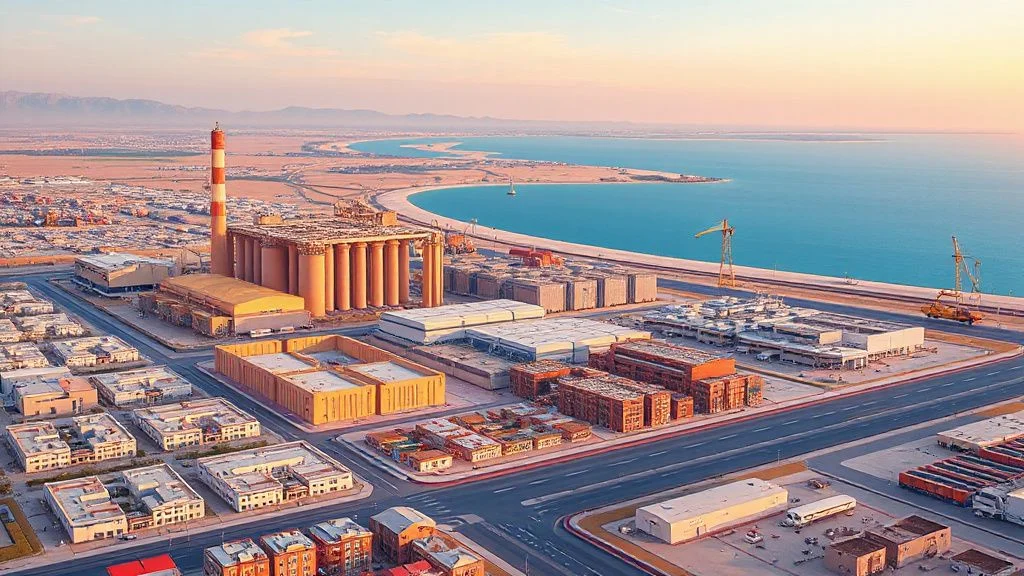
Jubail Industrial City is a remarkable feat of urban and industrial planning, representing the largest single industrial development project in the world. Established in 1975, it is strategically located in the Eastern Province of Saudi Arabia along the Arabian Gulf coast. The city spans an area of approximately 1,016 square kilometers, housing an array of industrial complexes, residential areas, and port facilities. This article delves into the various facets of Jubail, including its industrial sectors, settlement patterns, and what expatriates can expect when moving to or living in this unique city.
What can we help you with?
Three short questions, then just how to reach you. No account needed.
Historical Development of Jubail
The transformation of Jubail from a small fishing village into a bustling industrial city started in the mid-20th century. Initially, the area was primarily known for its fishing and pearl diving activities. However, with the discovery of oil in Saudi Arabia, the government recognized the potential for industrial growth in Jubail. In 1975, the Royal Commission for Jubail and Yanbu was established, leading to the development of Jubail Industrial City.
Over the years, investment in infrastructure has been substantial, with the city being equipped with state-of-the-art facilities. The development has included educational institutions, hospitals, and residential complexes, making it a well-rounded community for both locals and expatriates.
Industrial Landscape
Key Industries
Jubail Industrial City is home to various industries, primarily focusing on petrochemicals, manufacturing, and energy production. Major companies in the region include petrochemical giants that produce a significant portion of the world's polyethylene and polypropylene. The city is also notable for its industrial manufacturing facilities, producing everything from construction materials to advanced electronics.
Additionally, Jubail has invested heavily in renewable energy initiatives. The city is exploring solar and wind energy projects, aiming to diversify its energy sources and reduce the carbon footprint of its industrial sector. This shift reflects the broader goals of Saudi Vision 2030, which seeks to enhance sustainability across various sectors.
Infrastructure and Logistics
The logistical framework of Jubail is essential to its industrial success. The city features a deep-water port, which is one of the largest in the region, facilitating the import and export of goods. Efficient transport networks, including well-maintained highways and an expanding railway system, connect Jubail to other major cities like Riyadh and Dammam, enhancing its accessibility for businesses and residents alike.
For expatriates, the proximity to the King Fahd International Airport in Dammam, located about 90 kilometers from Jubail, is a significant advantage. The airport supports both domestic and international flights, making it convenient for travel and logistics.
Residential Areas and Living Conditions
Expatriate Communities
The residential environment in Jubail is designed to accommodate a diverse population, including many expatriates from various countries. Housing options range from modern apartments to villas, typically located within gated communities. These residential areas often provide amenities such as swimming pools, gyms, and community centers, fostering a sense of community among residents.
Expatriates can find neighborhoods that cater specifically to their needs, offering proximity to schools, shopping, and recreational facilities. Many communities also host social events, allowing newcomers to network and integrate into the local culture.
Education and Healthcare
Jubail is home to several educational institutions, offering schooling options for expatriate children. International schools typically follow American or British curricula, providing a familiar educational framework for families moving from Western countries. The presence of these institutions is a considerable factor for many expatriates when choosing to relocate to Jubail.
Healthcare facilities in Jubail are modern and well-equipped, serving both locals and expatriates. The city boasts hospitals and clinics that provide a range of medical services, from general health check-ups to specialized treatments. Medical professionals often speak English, making it easier for expatriates to navigate healthcare services.
Climate and Seasonal Considerations
The climate in Jubail features a hot desert environment, characterized by extremely high temperatures in the summer months, often exceeding 40°C (104°F). Winters are mild, with temperatures ranging from 10°C to 25°C (50°F to 77°F). The city experiences minimal rainfall, primarily occurring during winter. Expats should prepare for the intense heat by staying hydrated and utilizing air conditioning in homes and vehicles.
Dust storms are common, especially in the spring, which can affect outdoor activities. Residents are advised to monitor weather alerts during this season and plan outdoor activities accordingly.
Transportation and Accessibility
Within Jubail, transportation options are primarily road-based, with a well-structured network of roads and highways connecting various parts of the city. Public transportation is limited, so many residents rely on private vehicles or taxis. Ride-sharing apps are also available, providing convenient options for commuting.
For those wishing to explore beyond Jubail, the city is well-connected to major highways leading to other cities in the Eastern Province and beyond. The journey to Dammam typically takes about 1 hour by car, while Riyadh can be reached within 3 hours. This accessibility is beneficial for weekend getaways or business travel.
Practical Tips for Expats
- Learn Basic Arabic: While English is widely spoken, learning basic Arabic phrases can enhance your interactions with locals and show respect for the culture.
- Understand Local Customs: Familiarize yourself with Saudi customs and etiquette, such as dress codes and social norms, to ease your integration into the community.
- Network with Fellow Expats: Join local expatriate groups or social media platforms to connect with others, share experiences, and find support during your transition.
- Stay Informed About Regulations: Keep up to date with local laws and regulations, especially regarding work visas and residency permits, to ensure compliance and avoid potential issues.
- Explore the Local Cuisine: Jubail offers a variety of dining options, from traditional Saudi dishes to international cuisine. Don’t miss out on trying local specialties.
Conclusion
Jubail Industrial City stands as a testament to Saudi Arabia's ambitious vision for industrial and urban development. With its diverse industries, well-planned residential areas, and modern amenities, the city offers a unique living experience for expatriates. Understanding the local environment, culture, and infrastructure can help newcomers navigate their new surroundings effectively. As Jubail continues to grow and evolve, it remains a key player in the Kingdom's economic landscape, making it an attractive destination for international professionals.
AI-Generated Content: This article was created with AI assistance and may contain inaccuracies. Please verify important information with official sources.