
This guide was synthesized using the latest legislative data and verified by our editorial board. Laws are subject to change; always consult official sources for final confirmation.
When relocating to or living in Saudi Arabia, understanding the air cargo clearance process at King Abdulaziz International Airport (KAIA) in Jeddah is crucial for expatriates. This guide offers practical insights on who collects your shipment, the necessary paperwork, and tips to navigate the customs clearance smoothly.
What can we help you with?
Three short questions, then just how to reach you. No account needed.
Overview of King Abdulaziz International Airport
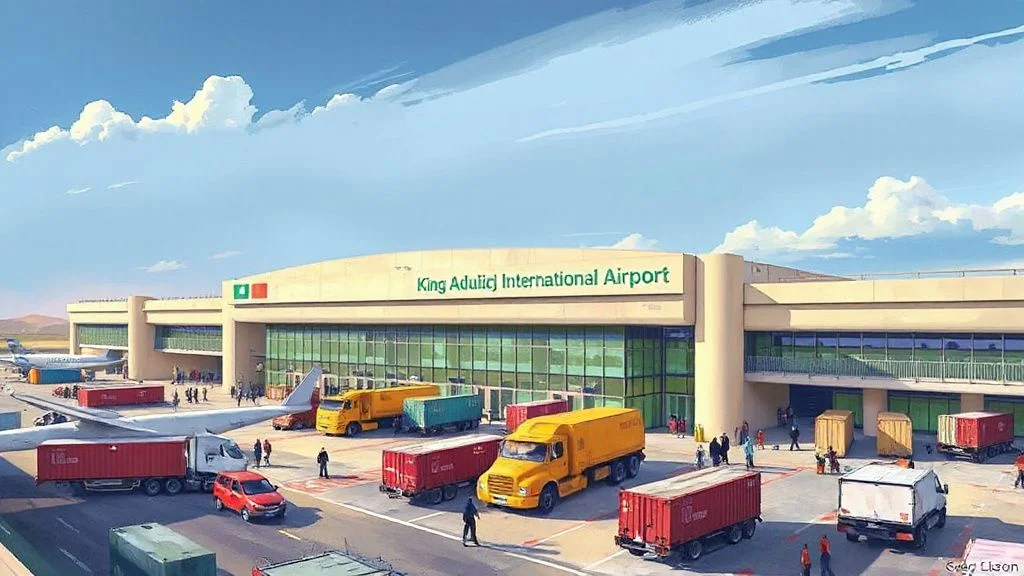
King Abdulaziz International Airport serves as a vital hub for air cargo in Saudi Arabia, particularly for international freight. Located in Jeddah, this airport handles a significant volume of both passenger and cargo flights, making it essential for expatriates and businesses alike. With the rise in global trade and local demand for imported goods, understanding the air cargo clearance process has become increasingly important.
The cargo terminal at KAIA is equipped to handle various types of shipments, from personal belongings to commercial goods. It is essential for expats to familiarize themselves with the process to avoid delays and additional costs.
Who Collects Your Shipment?
The collection of your shipment at King Abdulaziz International Airport typically involves a freight forwarder or a customs broker. These professionals specialize in managing logistics and ensuring that all necessary regulations are met. Depending on your shipment's nature, you may need to engage the services of these experts to facilitate clearance.
If you are receiving commercial shipments, your supplier may have a logistics partner who will handle the customs process. However, if you are receiving personal items or smaller shipments, you may need to work directly with a customs broker. It is advisable to establish contact with a reputable freight forwarding company or customs broker before your shipment arrives to streamline the process.
Required Documentation for Air Cargo Clearance
To successfully clear your air cargo at KAIA, you must prepare several essential documents. The following list outlines the typical paperwork required:
- Commercial Invoice: This document details the transaction, including the value of the goods, terms of sale, and the seller's information. Ensure the invoice includes Harmonized System (HS) codes, which classify the goods for customs.
- Air Waybill: This serves as a contract between you and the airline, detailing the shipment's route and handling instructions. It is crucial for tracking your shipment.
- Certificate of Origin: This document may be required to ascertain the origin of the goods, especially if a trade agreement is in place.
- Packing List: A detailed list of items contained within the shipment, including quantities, weights, and descriptions. This helps customs verify the contents against the commercial invoice.
- SABER Registration: For commercial imports, SABER is an electronic platform that facilitates regulatory compliance. Registration is mandatory, and the importer is responsible for obtaining the necessary approvals.
In addition to these documents, personal shipments may require additional identification, such as your Iqama or residency permit, to demonstrate your legal status in the country. Always double-check with your customs broker or freight forwarder to ensure you have the most current and applicable documentation.
The Customs Clearance Process
The customs clearance process at KAIA can vary depending on the type of goods being imported. For commercial shipments, the customs broker typically handles the declaration on your behalf. However, for personal shipments, you may need to provide the required documentation yourself.
Upon arrival, your shipment will go through customs inspection, where officials will verify the documents and assess any applicable duties or taxes. As of our last update, the customs duty is based on the shipment's value and varies by the type of goods. There is also a 15% VAT applied to the total customs value, including the duty.
To avoid delays, it is wise to ensure that all documents are accurate and complete before your shipment arrives. Additionally, familiarize yourself with the customs duty rates for your specific goods to prepare for any costs effectively.
What to Expect During the Collection Process
Once your shipment has cleared customs, the next step is collection. Typically, you will receive a notification from your freight forwarder or customs broker regarding the status of your shipment. They will inform you of any outstanding fees and the location of your cargo.
Upon collection, be prepared to present your identification, such as your Iqama, and any additional documents requested by the customs officials. The collection point at KAIA is often at the dedicated cargo terminal, where you can pick up your shipment. Ensure you have a plan for transportation, as you may need assistance to transport larger shipments.
Practical Tips for Smooth Air Cargo Clearance
To facilitate a smooth air cargo clearance experience at King Abdulaziz International Airport, consider the following tips:
- Engage a Local Customs Broker: Working with a local customs broker can significantly ease the process. They are familiar with regulations and can provide guidance on paperwork and procedures.
- Prepare Documentation in Advance: Have all necessary documents ready and verified before your shipment arrives. This includes double-checking the accuracy of the commercial invoice and ensuring that all required signatures are present.
- Stay Informed About Customs Regulations: Customs regulations can change frequently. Regularly check with your customs broker or local authorities for any updates that may impact your shipment.
- Be Prepared for Fees: Understand the potential costs involved, including customs duties and VAT, to avoid surprises. Budgeting for these expenses in advance can help manage your finances effectively.
- Communicate with Your Supplier: If you are receiving commercial goods, maintain open communication with your supplier about shipping details and requirements, which can help prevent delays.
Conclusion
Understanding the air cargo clearance process at King Abdulaziz International Airport is essential for expatriates in Saudi Arabia. By familiarizing yourself with the necessary documentation, engaging the right professionals, and preparing for the customs clearance process, you can ensure that your shipments arrive smoothly and efficiently. Whether you are moving personal items or managing commercial imports, taking these proactive steps will help make your experience in Saudi Arabia more manageable.
AI-Generated Content: This article was created with AI assistance and may contain inaccuracies. Please verify important information with official sources.
Primary Sources
Last updated: October 2026