
This guide was synthesized using the latest legislative data and verified by our editorial board. Laws are subject to change; always consult official sources for final confirmation.
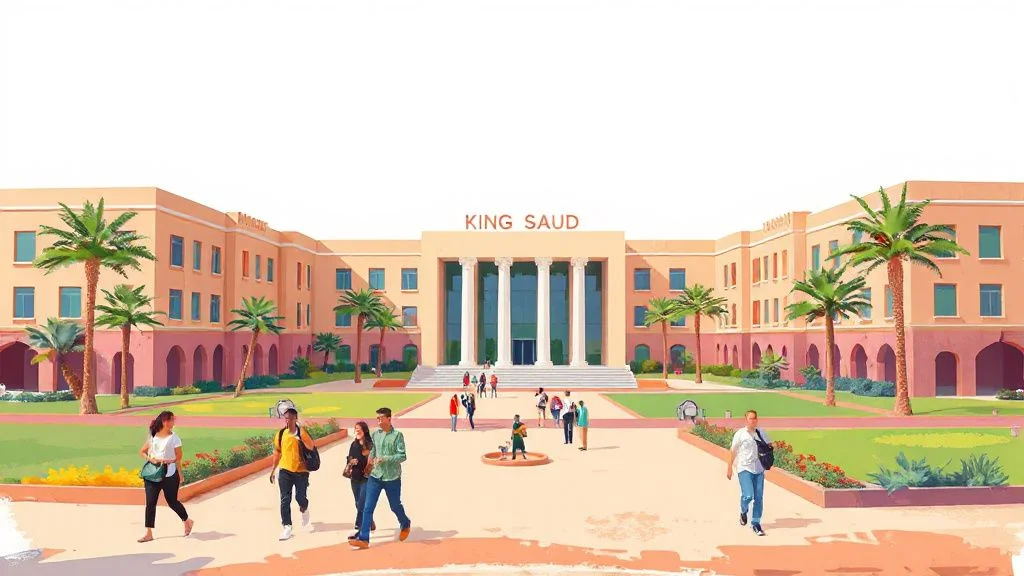
King Saud University (KSU) is one of the most prestigious institutions in Saudi Arabia, located in the heart of Riyadh. Established in 1957, KSU has grown remarkably, offering a wide array of programs that cater to both local and international students. In this article, expats relocating to Saudi Arabia will gain insights into KSU's faculties, the admission process, and valuable tips for navigating academic life in the Kingdom.
What can we help you with?
Three short questions, then just how to reach you. No account needed.
Overview of King Saud University
As the first university in Saudi Arabia, King Saud University holds a distinguished reputation both nationally and internationally. It ranks first in the country and 146th globally according to the latest uniRank data. KSU boasts a diverse student body, with a significant number of international students enrolled in various programs.
The university offers a comprehensive range of degrees, including bachelor's, master's, and doctoral programs across multiple disciplines. The academic environment at KSU is vibrant, with a strong emphasis on research and community service. Facilities include extensive libraries, modern classrooms, and specialized research centers.
Faculties at King Saud University
KSU comprises multiple faculties, each offering specialized programs. Here’s a closer look at some of the key faculties:
College of Science
The College of Science is one of the largest faculties at KSU, offering programs in areas such as biology, chemistry, mathematics, and physics. The college emphasizes both theoretical knowledge and practical skills, preparing students for careers in education, research, and industry. Students often participate in collaborative projects and internships, providing valuable real-world experience.
College of Engineering
This college is renowned for its engineering programs, which include civil, mechanical, electrical, and computer engineering. The curriculum is rigorous and often involves hands-on projects that foster innovation and teamwork. The college also has strong ties with local industries, which can be advantageous for students seeking internships or job placements after graduation.
College of Business Administration
The College of Business Administration offers programs in finance, marketing, and entrepreneurship, among others. This faculty focuses on developing leadership skills and entrepreneurial mindsets, preparing students for the competitive business landscape. Networking events and guest lectures from industry leaders are commonly organized, allowing students to build valuable connections.
College of Pharmacy
As a leading institution for pharmacy education in Saudi Arabia, the College of Pharmacy offers programs that combine clinical knowledge with practical application. Students engage in laboratory work and clinical placements, ensuring they are well-prepared for careers in healthcare settings. The faculty also emphasizes research, encouraging students to participate in projects that can lead to publications and conferences.
College of Medicine
The College of Medicine is known for its rigorous training programs, focusing on producing highly competent healthcare professionals. The curriculum includes extensive clinical training, and students often rotate through various specialties in affiliated hospitals. Additionally, the college promotes research in medical sciences, providing opportunities for students to contribute to groundbreaking studies.
Admission Process at King Saud University
For expatriates looking to apply to KSU, understanding the admission process is vital. The university has a selective admission policy, typically accepting 70-79% of applicants. The process involves several key steps:
Eligibility Criteria
International applicants must typically hold a high school diploma equivalent to the Saudi secondary education certificate. Additionally, prospective students are usually required to demonstrate proficiency in English and/or Arabic, depending on the program of interest. Some programs may require standardized test scores, such as the SAT or equivalent, for undergraduate admissions.
Application Requirements
Applicants generally need to submit the following documents:
- Completed application form
- Official transcripts from previous educational institutions
- Proof of language proficiency (TOEFL, IELTS, or equivalent)
- Personal statement or essay outlining educational goals
- Passport copy and residency permit (iqama) for expatriates
It’s advisable to check KSU's official website for specific requirements related to the desired program, as these can vary.
Application Timeline
The academic year at KSU typically begins in September, with applications generally opening several months prior. Expatriates are encouraged to apply early to ensure they have enough time to gather documentation and meet any additional requirements. Keeping an eye on the university’s official announcements will help in staying informed about deadlines and important dates.
Tuition Fees and Financial Aid
While tuition fees can vary depending on the program and the applicant's residency status, international students can expect to pay around SAR 34,245 (approximately USD 9,133) per year for certain undergraduate programs. KSU also offers various scholarships and financial aid options for eligible students.
Expatriates may benefit from full scholarships sponsored by their employers or government programs, which cover tuition and other related expenses. It is advisable for applicants to inquire about scholarship opportunities directly through KSU or their respective employers.
Practical Tips for Expatriates
Navigating life as an expatriate student in Saudi Arabia can be both exciting and challenging. Here are some practical tips to help ease the transition:
- Cultural Adaptation: Understanding and respecting local customs is crucial. Engage with local students and participate in cultural events to foster connections and ease cultural adjustments.
- Language Preparation: While many courses are offered in English, learning basic Arabic phrases can significantly enhance your daily interactions and help in social settings.
- Housing Considerations: KSU offers on-campus housing, but many expatriates opt for apartments in nearby neighborhoods such as Al-Malaz or Al-Suwaiq. Research housing options early to find a suitable place within your budget.
- Transportation: Familiarize yourself with the public transportation system or consider renting a car, as driving is on the right side of the road in Saudi Arabia.
- Networking Opportunities: Join student organizations or clubs at KSU to expand your network and meet fellow expatriates as well as local students.
Conclusion
King Saud University stands as a beacon of higher education in Saudi Arabia, offering a diverse array of faculties and programs for both local and international students. Understanding the admission process, eligibility criteria, and practical tips for living in Riyadh can greatly enhance the experience for expatriates. By preparing adequately and engaging with the university community, students can maximize their academic and cultural experiences in this vibrant city.
AI-Generated Content: This article was created with AI assistance and may contain inaccuracies. Please verify important information with official sources.
Exchange rate used in this article: 1 USD = 3.75 SAR (rate as of 2026-10-22T16:08:48.258692+00:00, source: Saudi Central Bank (SAMA)).