
This guide was synthesized using the latest legislative data and verified by our editorial board. Laws are subject to change; always consult official sources for final confirmation.
Living near the Red Sea offers a unique blend of natural beauty, recreational opportunities, and cultural experiences for expatriates in Saudi Arabia. This guide provides essential insights into the lifestyle, amenities, and practical considerations for those moving to this stunning coastline.
What can we help you with?
Three short questions, then just how to reach you. No account needed.
1. The Allure of the Red Sea Coast
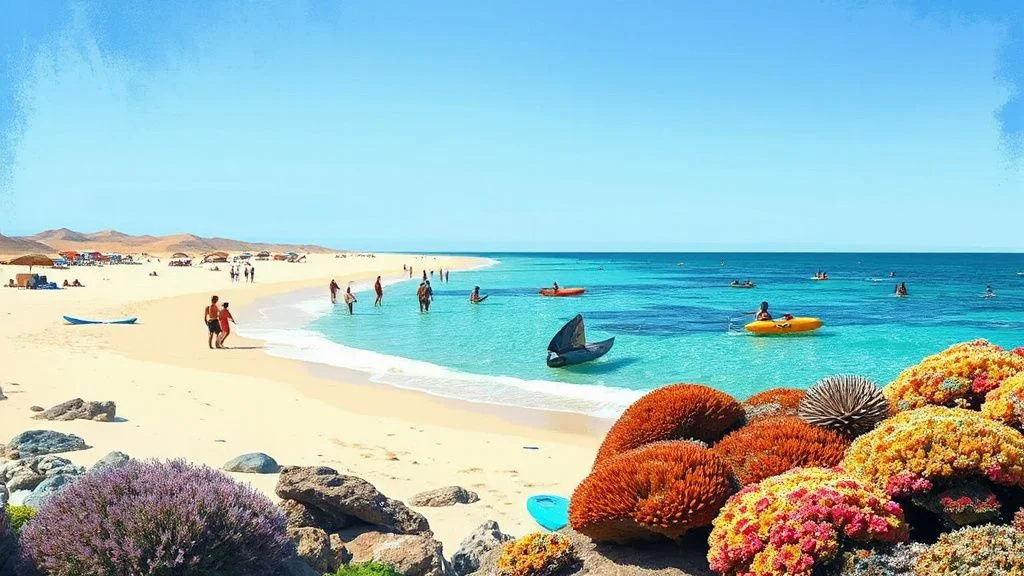
The Red Sea coastline in Saudi Arabia, particularly around Jeddah and Yanbu, is renowned for its azure waters, vibrant coral reefs, and picturesque beaches. The region is a haven for water sports enthusiasts and nature lovers alike. Typically, expats are drawn to the area for its outdoor lifestyle, where options abound for diving, snorkeling, and fishing, providing a perfect balance to the desert climate.
Many expatriates choose to live in compounds or residential areas close to the coast, which often provide amenities such as swimming pools, gyms, and community activities. This not only fosters a sense of community but also enhances the overall quality of life, making it easier to connect with fellow expats and locals.
2. Climate and Seasonal Considerations
The climate along the Red Sea coast is typically warm and arid, with summer temperatures often exceeding 40°C (104°F) during the day. Winters are milder, with average temperatures ranging from 14°C to 30°C (57°F to 86°F), making it ideal for outdoor activities. The best time to enjoy the coastline is from October to April when the weather is more temperate, allowing for beach outings and water sports without the extreme heat.
Rainfall is minimal, averaging around 100 mm (4 inches) annually, typically occurring between November and January. While this may not significantly affect outdoor plans, it's wise to consider the potential for humidity, particularly in the summer months, which can make outdoor activities less comfortable.
3. Accessibility and Transport Options
Accessibility is a crucial factor when living near the Red Sea. Jeddah, being a major urban center, has a well-developed infrastructure. The King Abdulaziz International Airport serves as the primary gateway for international travelers, making it convenient for expats to fly in and out. Within the city, public transport options include buses and taxis, though many residents find owning a car more practical for convenience and mobility.
For those living in nearby areas like Yanbu or Umluj, the coastal road offers scenic views and relatively easy access. Travel times vary; for instance, a drive from Jeddah to Yanbu typically takes about two hours, making weekend getaways to explore the coastline feasible.
4. Cost of Living Along the Red Sea Coast
The cost of living near the Red Sea can vary significantly depending on the area. Housing in coastal communities can be more expensive than in inland cities, with rental prices typically ranging from SAR 2,000 to SAR 6,000 (approximately USD 533 to USD 1,600) per month for apartments, while villas or larger homes can cost significantly more. Many expats opt for employer-sponsored accommodations, which can alleviate some financial pressure.
Everyday expenses such as groceries, dining out, and leisure activities also fluctuate based on lifestyle choices. Dining at local eateries can cost around SAR 50 (USD 13) for a meal, while international cuisine in upscale restaurants may start at SAR 150 (USD 40). Planning for these costs can help maintain a comfortable standard of living.
5. Activities and Leisure Options
Living near the Red Sea provides numerous recreational opportunities. Water sports are a major highlight, with diving schools and snorkeling tours readily available. Popular diving spots include the coral reefs near Jeddah and the Farasan Islands, where vibrant marine life thrives. Diving trips typically cost around SAR 300 (USD 80) and offer unforgettable experiences.
Beyond water sports, the region hosts various cultural festivals and events throughout the year, such as the Jeddah Season, which features concerts, art exhibitions, and family-friendly activities. Engaging in these events is a great way to immerse oneself in the local culture and meet other expatriates.
6. Practical Tips for Expats
For expatriates considering a move to the Red Sea coast, several practical tips can ease the transition:
- Learn Basic Arabic: While English is widely spoken, learning some basic Arabic phrases can enhance your experience and interactions with locals.
- Understand Local Customs: Familiarize yourself with Saudi customs and etiquette to navigate social situations more effectively.
- Join Community Groups: Many social and recreational clubs exist for expats, providing opportunities to build connections and friendships.
- Stay Hydrated: The coastal climate can be hot and humid, so make sure to drink plenty of water, especially during outdoor activities.
Conclusion
Living near the Red Sea coast offers a unique lifestyle filled with outdoor adventures, cultural experiences, and a welcoming expatriate community. By understanding the local climate, transport options, and cost of living, expatriates can make informed decisions to enhance their experience in this beautiful region. Embrace the opportunity to explore the Red Sea’s wonders while building a fulfilling life in Saudi Arabia.
AI-Generated Content: This article was created with AI assistance and may contain inaccuracies. Please verify important information with official sources.
Exchange rate used in this article: 1 USD = 3.75 SAR (rate as of 2026-10-23T05:29:29.149869+00:00, source: Saudi Central Bank (SAMA)).
Primary Sources
Last updated: October 2026