This guide was synthesized using the latest legislative data and verified by our editorial board. Laws are subject to change; always consult official sources for final confirmation.
Deciding whether to move to Saudi Arabia or remain in Europe is a significant choice for expatriates. This article delves into the critical differences between these two options, focusing on lifestyle, cost of living, cultural nuances, and practical considerations. By understanding these factors, you can make an informed decision that aligns with your personal and professional goals.
What can we help you with?
Three short questions, then just how to reach you. No account needed.
Living Standards and Lifestyle
Saudi Arabia: A Unique Blend of Tradition and Modernity
Life in Saudi Arabia, particularly in cities like Riyadh and Jeddah, offers expatriates a unique blend of modern amenities and rich cultural traditions. Expats often find that housing in Saudi Arabia can vary significantly based on location and style. Many choose to live in compound-style housing, which typically provides a community atmosphere with amenities like swimming pools, gyms, and playgrounds. This can feel more familiar and comfortable for many expatriates coming from Europe.
In Riyadh, several neighborhoods are popular among expatriates, providing easy access to shopping malls, international schools, and dining options. In contrast, Jeddah's coastal areas offer stunning seaside views and a vibrant lifestyle, with numerous cafes and restaurants. However, it’s essential to remember that while the cost of living in Saudi Arabia can be lower than in many European cities, housing prices can still be high, especially in expat-friendly compounds.
Europe: Comfort and Familiarity
Staying in Europe means enjoying a diverse range of cultures, languages, and lifestyles. Cities like London, Paris, or Berlin offer a fast-paced lifestyle with rich histories, vibrant arts scenes, and a plethora of dining options. The cost of living can vary widely; for instance, living in central London is significantly more expensive than in smaller cities like Lisbon or Prague. However, access to public services, healthcare, and a well-established social safety net are considerable advantages.
In terms of lifestyle, European cities tend to have well-developed public transport systems, making it easier to navigate without a car. Additionally, the variety of cultures contributes to a rich culinary scene, and supermarkets stock familiar products from various countries. This familiarity can significantly ease the transition for expatriates who may find the adjustments in Saudi Arabia more challenging.
Cost of Living and Financial Considerations
Financial Benefits of Moving to Saudi Arabia
One of the most attractive aspects of relocating to Saudi Arabia is the potential for tax-free income. Many expatriates enjoy salaries that are significantly higher than their counterparts in Europe. For example, middle management positions in Saudi Arabia can earn around $188,000 (approximately 705,000 SAR) annually, compared to an average salary of around $48,000 (approximately 180,000 SAR) in the UK.
Moreover, the absence of income tax means that expatriates can save a substantial portion of their earnings. However, it’s essential to factor in costs that may arise from private healthcare, as many expats are not entitled to free public health services. Health insurance costs can vary, so it's advisable to budget for a comprehensive plan based on personal needs.
Living Costs in Europe
While salaries in Europe may be lower, the social benefits can offset this difference. Access to free healthcare, public education, and well-maintained infrastructure are some advantages. However, the cost of living can be high, particularly in major cities. For example, rent for a one-bedroom apartment in central urban areas can be significantly more expensive than in smaller cities.
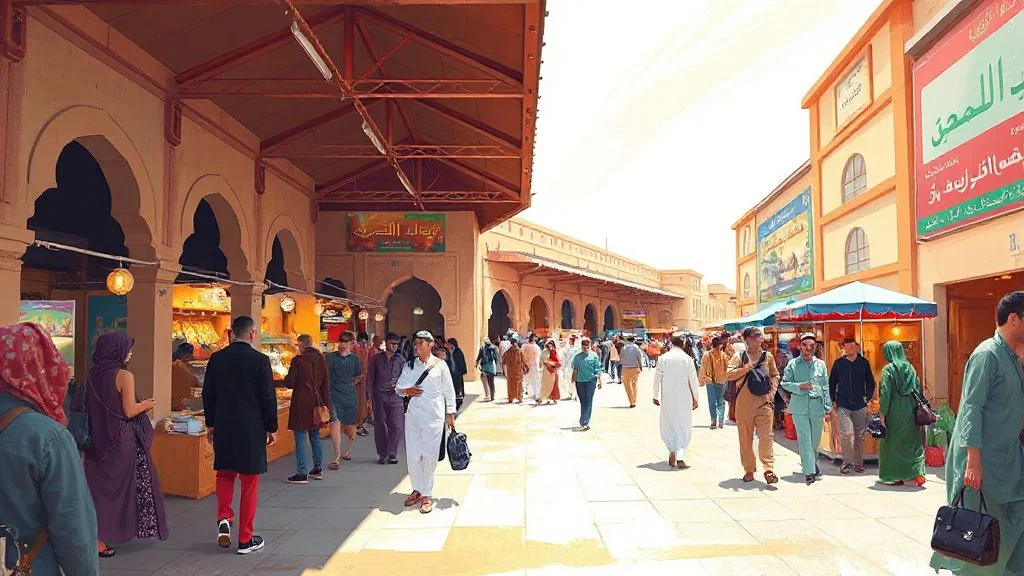
Additionally, groceries and dining out can be more expensive in Europe, depending on the country and city. In contrast, local markets in Saudi Arabia often provide fresh produce at reasonable prices. Grocery costs can vary, but many find that shopping in local markets can be budget-friendly compared to European standards.
Cultural Nuances and Adaptation
Embracing Saudi Culture
Saudi Arabia boasts a rich cultural heritage rooted in Islamic traditions. Expatriates must navigate a society that values family and community, often prioritizing these over individualism. Adapting to local customs, such as gender segregation in public spaces and the importance of modest dress, is crucial for a smooth transition. For example, expatriate women are expected to dress conservatively in public and may opt for an abaya, a loose-fitting cloak.
Moreover, the weekend in Saudi Arabia falls on Friday and Saturday, differing from the typical Saturday-Sunday weekend in Europe. Understanding these cultural differences can significantly enhance your experience and help build relationships with local residents. Many expatriates find that attending local events and engaging with the community can ease the cultural adjustment process.
The European Familiarity
In contrast, remaining in Europe allows expatriates to continue enjoying the cultural richness they are accustomed to, with fewer adjustments needed. The ability to communicate freely, enjoy various leisure activities, and participate in social events without the constraints found in Saudi society can make for a more comfortable living experience.
Additionally, many European cities have vibrant expat communities, which can provide a support network for those who may feel isolated. Engaging in local clubs, social groups, or cultural events can help maintain a sense of belonging, easing the transition in any new environment.
Practical Tips for Expatriates
What to Consider Before Moving to Saudi Arabia
- Research the local laws and customs thoroughly to avoid cultural faux pas.
- Budget for private healthcare, as most expats are not entitled to free services.
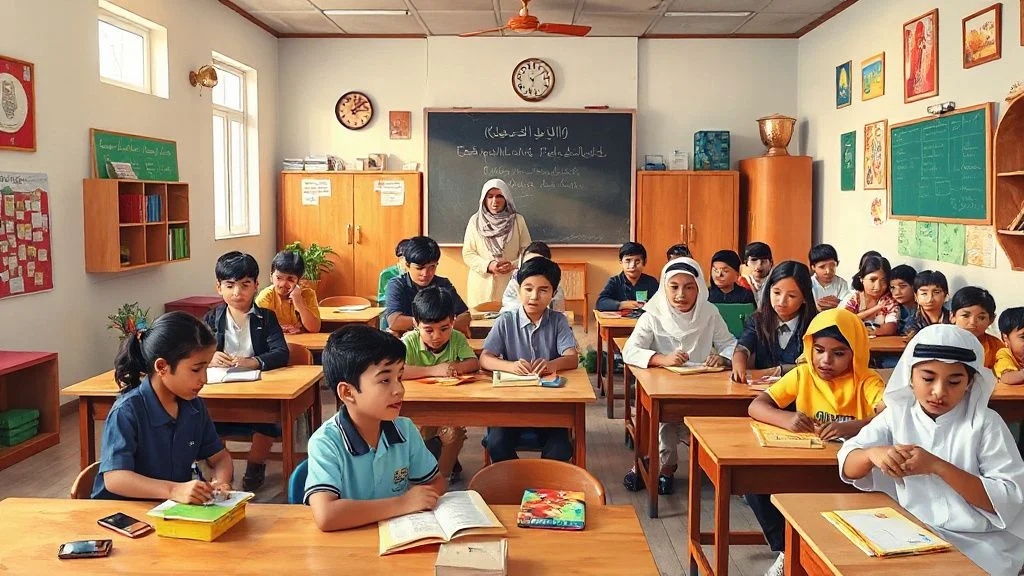
- Consider the schooling options available for children, focusing on international schools to ensure educational continuity.
- Join expat groups or forums to connect with others who have made the move.
Benefits of Staying in Europe
- Leverage the familiarity of local customs, languages, and social structures.
- Take advantage of the social safety nets that European countries offer.
- Explore a diverse range of cultural and recreational activities without significant restrictions.
- Maintain strong connections with family and friends who may be more accessible living within the same region.
Conclusion
Choosing between moving to Saudi Arabia or staying in Europe ultimately depends on your personal circumstances, career aspirations, and lifestyle preferences. Saudi Arabia offers lucrative financial benefits and a unique cultural experience, albeit with significant adjustments and challenges. In contrast, Europe provides familiarity, social benefits, and a diverse lifestyle, though potentially at a higher cost of living. By weighing these factors carefully and considering your priorities, you can make a decision that aligns with your long-term goals.
AI-Generated Content: This article was created with AI assistance and may contain inaccuracies. Please verify important information with official sources.
Primary Sources
Last updated: October 2026