This guide was synthesized using the latest legislative data and verified by our editorial board. Laws are subject to change; always consult official sources for final confirmation.
For expatriates relocating to Saudi Arabia, particularly in cities like Riyadh and Jeddah, navigating the landscape of religious communities can be both a challenge and an opportunity. Understanding the religious dynamics is crucial for social integration and personal comfort. This guide explores how newcomers can find their place within these communities while respecting local customs and laws.
What can we help you with?
Three short questions, then just how to reach you. No account needed.
Understanding the Religious Landscape
The Dominance of Islam
Saudi Arabia is the birthplace of Islam and is governed by its principles. The predominant form of Islam practiced here is Sunni, particularly of the Wahhabi school, which has a significant influence on the kingdom’s laws and societal norms. Non-Muslims, primarily expatriates, make up a small percentage of the population and often face restrictions regarding public expressions of their faith. As of our last update, public worship for non-Muslims is strictly prohibited, meaning that expatriates must find ways to practice their faith discreetly.
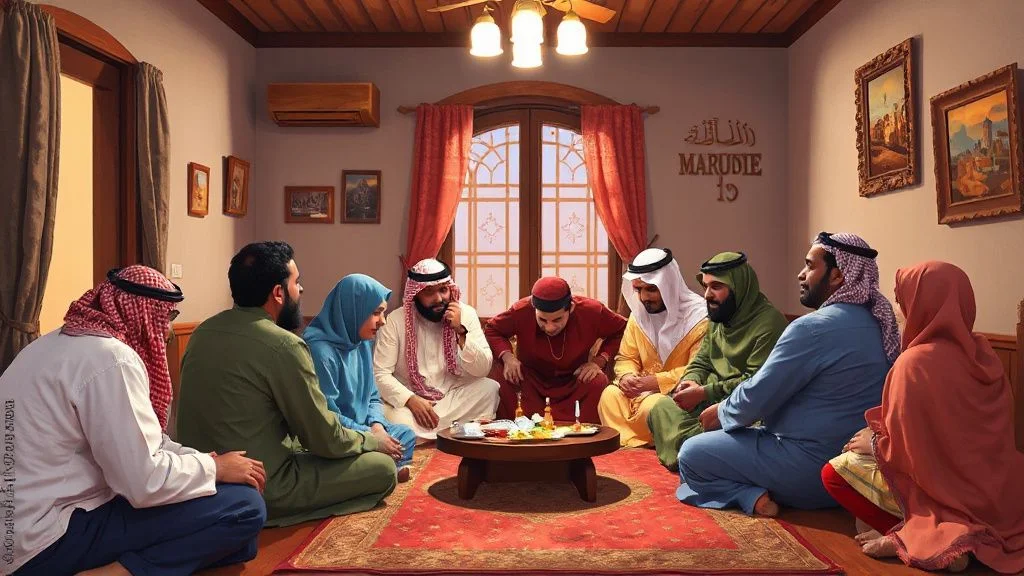
In cities like Riyadh and Jeddah, non-Muslim expatriates often gather informally in private homes for worship. These small groups can provide a sense of community and support. Many newcomers report that these gatherings, though informal, are vital for maintaining spiritual well-being and fostering friendships among fellow expatriates.
Strategies for Finding Community
Newcomers can employ several strategies to locate religious communities that align with their beliefs. One effective way is to connect with local expatriate groups through social media platforms, forums, or community apps. Websites like Facebook often host groups tailored for specific nationalities or religious affiliations, where members share information about private gatherings, events, or resources.
For example, expatriates might find groups dedicated to Christians or other religions where members discuss local meet-ups. Engaging with these online communities can help newcomers quickly identify friendly faces and establish a support network.
Challenges Faced by Non-Muslim Communities
Legal and Social Restrictions
While the Saudi government has taken steps toward modernization and has shown some openness to tourism and business, the legal framework for religious practice remains stringent. Public displays of non-Muslim worship can lead to severe consequences, including deportation. This reality necessitates caution and discretion among religious minorities.
Many expatriates have shared experiences of needing to keep their faith private to avoid conflicts. For instance, sharing religious materials or discussing beliefs openly in public spaces can attract unwanted attention. Therefore, newcomers should familiarize themselves with local customs and be respectful of the cultural context they are entering.
The Importance of Discretion
Expatriates often learn to navigate their faith discreetly. For example, some choose to celebrate religious holidays quietly in their homes, inviting only trusted friends. This practice not only ensures safety but also fosters a sense of belonging within a controlled environment. Newcomers should consider starting small, perhaps organizing a potluck dinner during a religious holiday where everyone can bring a dish and share their traditions.
Cultural Adaptation and Integration
Building Relationships with Locals
Establishing friendships with local Saudis can also provide valuable insights into the culture and customs surrounding religion. Many expatriates have found that engaging in community events, such as cultural festivals or charity initiatives, helps bridge cultural gaps. This engagement often leads to meaningful conversations where newcomers can learn about Islamic practices and share their beliefs respectfully.
Riyadh and Jeddah are known for their vibrant cultural scenes, and attending local events can serve as a platform for building these relationships. For example, participating in charitable activities, such as volunteering during Ramadan, can foster goodwill and understanding between expatriates and locals.
Respecting Local Customs
Understanding and respecting Saudi customs is crucial for successful integration. For instance, during the holy month of Ramadan, non-Muslims are expected to refrain from eating, drinking, or smoking in public during daylight hours. Many expatriates have shared that observing these customs has helped them gain respect from their local peers and has fostered a sense of community.
What Expats Should Know
Practical Tips for Newcomers
As newcomers navigate their religious communities in Saudi Arabia, here are some practical tips to consider:
- Seek Out Expatriate Groups: Use social media and community apps to find groups of like-minded individuals who share your faith.
- Be Discreet: Practice your faith privately and avoid public displays to respect local laws and customs.
- Engage with Locals: Attend local events and participate in community service to build relationships with Saudi citizens.
- Celebrate Privately: Organize small gatherings at home for religious holidays, inviting only trusted friends.
- Stay Informed: Keep abreast of any changes in local laws regarding religious practices and remain adaptable.
Resources for Support
Newcomers can also benefit from various resources available in Saudi Arabia. Many international schools and community centers offer support services, including counseling and social events for expatriates. Websites dedicated to expatriate living often feature forums where individuals can share experiences and advice.
Additionally, some embassies provide guidance and resources for their citizens, including connections to local religious communities. It is advisable for newcomers to reach out to their embassies to learn about any available support for their specific needs.
Conclusion
Finding and connecting with religious communities in Saudi Arabia can be a rewarding yet complex experience for newcomers. By understanding the local religious landscape, being discreet in their practices, and actively engaging with both expatriate and local communities, newcomers can foster meaningful connections. Respecting local customs while maintaining one’s faith is essential for a harmonious life in the kingdom. With careful navigation, expatriates can find their place and build a supportive network, enriching their Saudi experience.
AI-Generated Content: This article was created with AI assistance and may contain inaccuracies. Please verify important information with official sources.