
This guide was synthesized using the latest legislative data and verified by our editorial board. Laws are subject to change; always consult official sources for final confirmation.
Saudi Arabia is at the forefront of a significant transformation in its environmental economy, particularly through the establishment of carbon credits and related initiatives. This article will provide a detailed overview of the current state of carbon markets in the Kingdom, explore the implications of these developments for expatriates, and offer practical insights for navigating this evolving landscape.
What can we help you with?
Three short questions, then just how to reach you. No account needed.
Understanding Carbon Credits in Saudi Arabia
Carbon credits are permits that allow the holder to emit a certain amount of carbon dioxide or other greenhouse gases, typically equating to one tonne of CO2. As countries and corporations increasingly commit to reducing their carbon footprints, the demand for carbon credits has surged globally. Saudi Arabia, as part of its Vision 2030 strategy, has recognized the potential of carbon markets as a way to diversify its economy beyond oil and contribute to global environmental sustainability.
Saudi Green Initiative and Carbon Emission Targets
The Saudi Green Initiative, launched in 2021, aims to reduce carbon emissions by 278 million tonnes annually by 2030. This ambitious plan includes expanding the use of renewable energy, improving energy efficiency, and implementing carbon capture, utilization, and storage (CCUS) technologies. The initiative also emphasizes the importance of nature-based solutions, such as planting ten billion trees across the Kingdom.
The commitment to such significant emission reductions is indicative of Saudi Arabia's shift towards a more sustainable economic model. Expatriates working in sectors related to energy, construction, and environmental services may find new opportunities as the Kingdom invests heavily in green technologies and infrastructure development.
The Regional Voluntary Carbon Market (RVCM)
In line with its climate goals, Saudi Arabia has established the Regional Voluntary Carbon Market (RVCM), which was launched during the COP27 conference. This platform is the first of its kind in the Middle East and North Africa region and facilitates the trading of verified carbon credits from local offset projects. Companies and governments can use these credits to meet their voluntary emissions reduction commitments.
The RVCM not only supports local and regional businesses in generating revenue from carbon credits but also helps attract foreign investment in green projects. This is particularly relevant for expatriates looking to engage with the burgeoning carbon market for business opportunities or investment ventures.
Investment Opportunities in Carbon Markets
As the Kingdom transitions towards a low-carbon economy, there are numerous investment opportunities within the carbon credits ecosystem. Key areas include carbon capture projects, renewable energy installations, and nature-based solutions.
Carbon Capture, Utilization, and Storage (CCUS)
Saudi Aramco, the national oil company, has emerged as a leader in CCUS technology, operating one of the largest facilities globally with a capacity of capturing 800,000 tonnes of CO2 annually. The company's broader ambitions aim for a total capture capacity of eleven million tonnes by 2035. This opens up a myriad of opportunities for expatriates with expertise in engineering, technology, and environmental science to participate in these innovative projects.
Additionally, investments in CCUS are not limited to Aramco but extend to various industrial sectors, creating a robust market for carbon credits generated from these initiatives. Companies aiming to meet sustainability targets will increasingly look to purchase these credits, thereby generating demand.
Nature-Based Solutions and Renewable Energy
Nature-based solutions, such as afforestation and reforestation projects, are critical components of the Saudi Green Initiative. The government aims to plant ten billion trees, which will not only help sequester carbon but also improve local biodiversity and ecosystems. Expatriates with experience in environmental management, forestry, and agricultural technology might find roles in managing these large-scale projects.
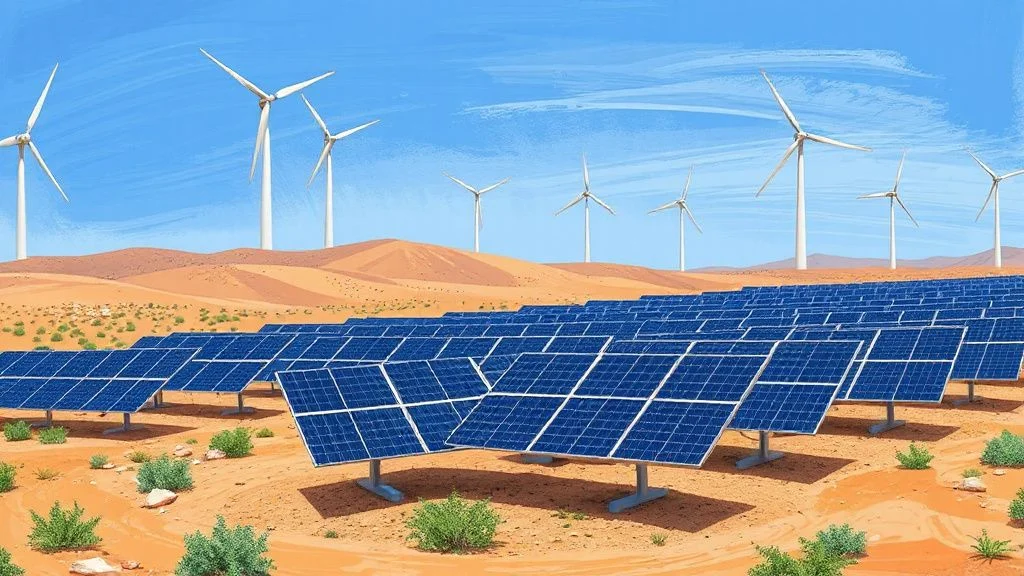
On the renewable energy front, Saudi Arabia is investing heavily in solar and wind projects. The National Renewable Energy Program (NREP) aims to generate 58.7 GW of renewable energy by 2030, providing substantial opportunities for expatriates in sectors such as engineering, project management, and renewable technology.
Challenges and Future Outlook
While the opportunities in Saudi Arabia's carbon credits and environmental economy are promising, there are challenges to consider. The carbon market is still in its nascent stages, and structural issues such as emissions data availability and institutional capacity must be addressed. The effectiveness of carbon pricing mechanisms and regulatory frameworks will play a crucial role in the market's development.
Additionally, global events and market fluctuations can impact the demand for carbon credits; thus, stakeholders must remain adaptable. However, as the government continues to prioritize environmental issues and economic diversification, the long-term outlook for carbon markets in Saudi Arabia appears positive.
What Expats Should Know
For expatriates considering involvement in Saudi Arabia's evolving carbon market, here are some practical tips:
- Stay Informed: Follow developments in the Saudi Green Initiative and the RVCM to understand market dynamics and opportunities.
- Network: Engage with local and international professionals in the environmental sector. Attend conferences and workshops to build connections.
- Leverage Skills: Highlight relevant skills and experiences in sustainability, engineering, and project management when seeking job opportunities.
- Understand Regulations: Familiarize yourself with local regulations surrounding carbon trading and environmental projects to navigate the market effectively.
Conclusion
Saudi Arabia's commitment to developing carbon credits and advancing its environmental economy presents a wealth of opportunities for expatriates. With initiatives like the Saudi Green Initiative and the Regional Voluntary Carbon Market, the Kingdom is positioning itself as a leader in the transition to a low-carbon economy. By understanding the intricacies of this evolving market, expatriates can engage in meaningful projects that align with both their professional goals and the broader vision of sustainability in Saudi Arabia.
AI-Generated Content: This article was created with AI assistance and may contain inaccuracies. Please verify important information with official sources.
Primary Sources
Last updated: October 2026