This guide was synthesized using the latest legislative data and verified by our editorial board. Laws are subject to change; always consult official sources for final confirmation.
Saudi Arabia is a treasure trove of history and culture, with heritage neighborhoods that tell the stories of its past. This guide will delve into two of the most significant heritage areas: Al Balad in Jeddah and Diriyah near Riyadh. Through this exploration, expatriates and international professionals will discover how to make the most of their visits, including transport options, safety, and significant sites to see.
What can we help you with?
Three short questions, then just how to reach you. No account needed.
Al Balad: The Historic Heart of Jeddah
Al Balad is recognized as one of the oldest districts in Jeddah, showcasing stunning examples of traditional Saudi architecture. The area is characterized by its coral stone buildings, narrow alleyways, and bustling souks. As of our last update, UNESCO designated Al Balad as a World Heritage Site, emphasizing its cultural significance. Visitors can experience its rich history by wandering the streets and exploring its many attractions.
Key Attractions
Among the must-see sites in Al Balad is a beautifully preserved building from the late 19th century. It offers a glimpse into the life of a wealthy merchant family and features intricate woodwork and traditional furnishings. Visitors can explore at their own pace.
Another highlight is a local market, where you can immerse yourself in local culture. This market is filled with shops selling spices, textiles, and traditional handicrafts. Expats can negotiate prices, but it’s advisable to start lower than the asking price for an authentic shopping experience.
Accessibility and Transport
Getting to Al Balad is relatively straightforward, with various transport options available. Taxis and rideshare services are widely used. For those wanting to experience local transport, the Jeddah Metro is under development and may offer more options in the future.
Once in Al Balad, walking is the best way to explore. The area is pedestrian-friendly, allowing you to soak in the atmosphere. However, it’s essential to wear comfortable shoes due to the uneven surfaces.
Climate and Seasonal Considerations
The climate in Jeddah is hot and humid, especially in the summer months. Temperatures can soar above 40°C (104°F). For the most enjoyable experience, consider visiting during the cooler months, from November to February, when daytime temperatures are more bearable. Early mornings or late afternoons are ideal for exploring, as the heat is less intense.
Safety Considerations
Generally, Al Balad is safe for tourists, but it’s advisable to remain vigilant, especially in crowded areas. Keep personal belongings secure and be cautious when crossing streets, as traffic can be unpredictable. Respect local customs and dress modestly, particularly when visiting religious sites.
Diriyah: The Cradle of Saudi Heritage
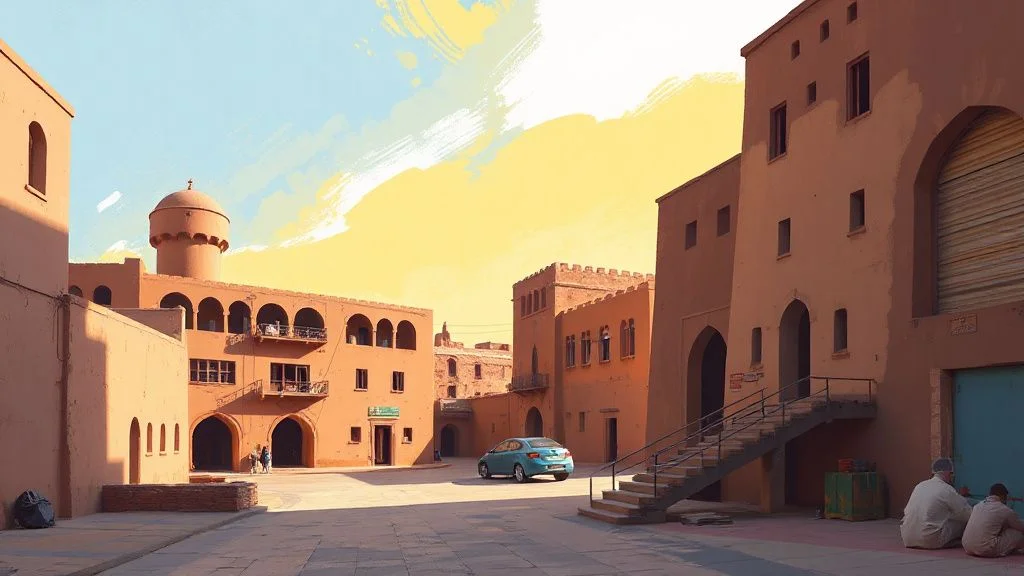
Diriyah, located just northwest of Riyadh, is another jewel of Saudi heritage. It was the original home of the Saudi royal family and is steeped in history. The town features the At-Turaif district, a UNESCO World Heritage Site, showcasing traditional Najdi architecture made from mud bricks and palm fronds.
Key Attractions
At-Turaif is the primary attraction in Diriyah. Visitors can explore the restored buildings, including the former residence of a prominent family. The area has been developed into a vibrant cultural site, complete with museums and galleries that offer insights into the history of the Saudi state. A visit to a local cultural foundation is recommended for contemporary art enthusiasts, as it hosts various exhibitions and activities.
Nearby, a popular spot for dining offers views of the At-Turaif district. Several local restaurants provide traditional Saudi dishes, allowing visitors to indulge in authentic flavors.
Accessibility and Transport
Traveling to Diriyah from Riyadh is convenient, with taxi services and rideshare options readily available. For those who prefer to drive, the route is straightforward, and parking facilities are available near the main attractions.
Once in Diriyah, many sites are within walking distance, making it easy to explore the area at a leisurely pace. Guided tours are also available, providing deeper insights into the history and significance of the sites.
Climate and Seasonal Considerations
Diriyah shares a similar climate with Riyadh, characterized by extremely hot summers and mild winters. The best time to visit is from October to April, when temperatures are more pleasant for outdoor exploration. Make sure to stay hydrated and wear sunscreen, as the sun can be quite intense.
Safety Considerations
Diriyah is generally safe for tourists, but it’s recommended to stay in well-populated areas, especially at night. Respect local customs, particularly in terms of dress code and behavior, to ensure a respectful visit. The local community is welcoming, and visitors often find the atmosphere friendly.
Practical Tips for Expats Visiting Al Balad and Diriyah
- Learn Basic Arabic Phrases: While English is widely spoken in tourist areas, knowing a few Arabic phrases can enhance interactions with locals and show respect for the culture.
- Dress Appropriately: Modesty is important in Saudi Arabia. Women should wear loose-fitting clothing that covers their arms and legs, while men should avoid shorts.
- Stay Hydrated: The climate can be harsh, especially in summer. Always carry water with you to stay hydrated during your explorations.
- Respect Local Customs: Familiarize yourself with local customs and traditions, including the appropriate behavior in public spaces. This can contribute to a more enjoyable experience.
- Use Reliable Transportation: When traveling between cities or attractions, use reputable taxi services or rideshare apps for convenience and safety.
Conclusion
Exploring the heritage neighborhoods of Al Balad and Diriyah offers a unique glimpse into Saudi Arabia's rich history and culture. Each area has its distinct charm and significance, making them essential stops for expatriates and visitors alike. By understanding the key attractions, transport options, climate considerations, and local customs, you can ensure a rewarding experience that deepens your appreciation for Saudi heritage.
AI-Generated Content: This article was created with AI assistance and may contain inaccuracies. Please verify important information with official sources.