This guide was synthesized using the latest legislative data and verified by our editorial board. Laws are subject to change; always consult official sources for final confirmation.
The King Salman bin Abdulaziz Royal Nature Reserve (KSRNR) is a remarkable expanse of natural beauty in Saudi Arabia, renowned for its rich biodiversity and significant conservation efforts. This article provides a comprehensive overview of the reserve, including its geography, wildlife, accessibility, and practical information for expatriates looking to explore this unique destination.
What can we help you with?
Three short questions, then just how to reach you. No account needed.
Overview of the King Salman Royal Nature Reserve
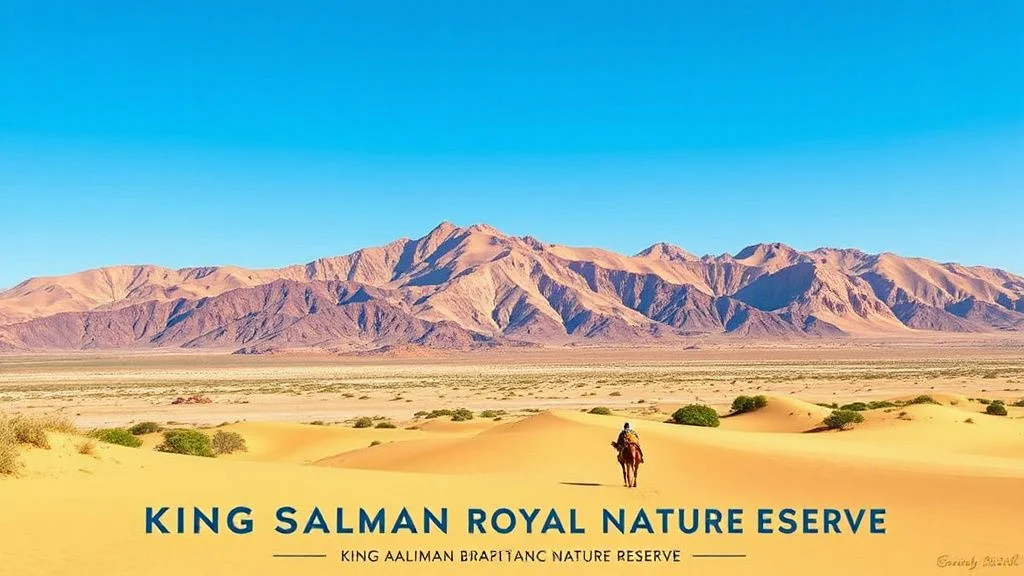
Established in 2018, the King Salman Royal Nature Reserve spans an impressive 130,700 square kilometers, making it the largest nature reserve in Saudi Arabia. This vast area straddles the northern borders, adjacent to Jordan, and encompasses diverse geographical features including mountains, plains, and plateaus. The reserve is recognized for its remarkable ecological diversity, housing a variety of habitats that support unique flora and fauna.
The reserve's northern section has been particularly highlighted for its biodiversity, which includes over 300 species of animals, with significant numbers of birds of prey. The KSRNR is pivotal for the conservation of endangered species, including the Steppe Eagle and the Sociable Lapwing. This reserve is not just a sanctuary for wildlife; it also preserves archaeological sites dating back to approximately 8,000 BC, showcasing the region's rich heritage.
Geographical Features and Accessibility
The KSRNR is characterized by its varied topography, which ranges from elevated mountain ranges to expansive plains. The elevation within the reserve reaches between 400 to 1,400 meters, offering breathtaking views of the surrounding landscapes.
To access the reserve, expatriates can travel from Riyadh, which is approximately 1,200 kilometers away, and Jeddah, around 800 kilometers away. The most common way to reach the reserve is by car, and the journey typically takes about 12 hours from Riyadh and 9 hours from Jeddah. Major roads such as Route 65 and Route 85 lead directly to the reserve's vicinity. Additionally, local transportation options and guided tours can be arranged from nearby towns such as Al Qurayyat and Turaif City.
Climate Considerations
The climate in the King Salman Royal Nature Reserve is classified as arid, with extremely hot summers and mild winters. Summer temperatures can soar to around 45°C (113°F) during the day, while winter nights can drop to near freezing. The best time to visit the reserve is during the cooler months, from November to February, when daytime temperatures range between 15°C to 25°C (59°F to 77°F). During this period, visitors can engage in outdoor activities such as hiking and wildlife watching comfortably.
Biodiversity of the Reserve
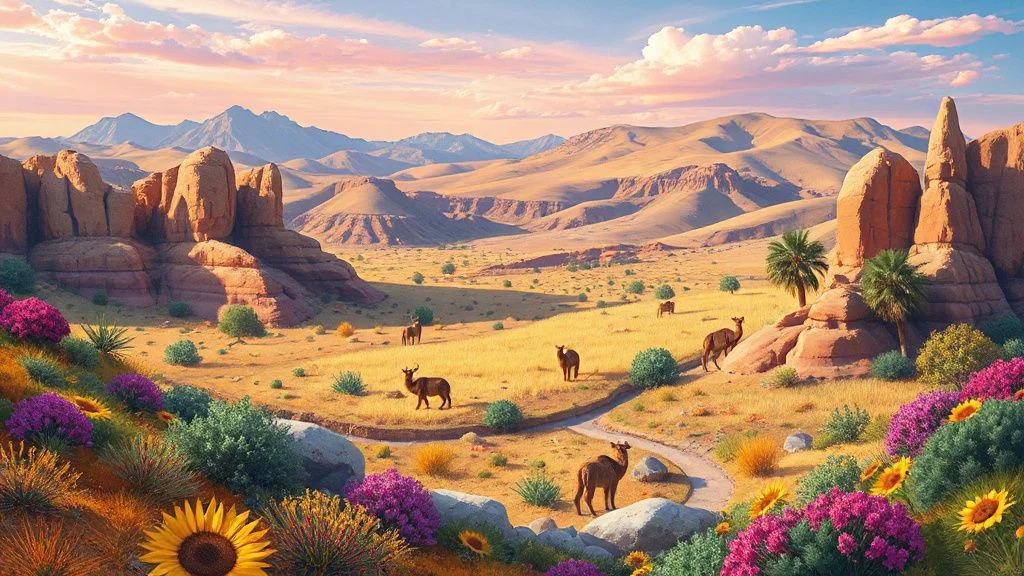
The biodiversity in the King Salman Royal Nature Reserve is one of its most compelling features. The reserve supports a diverse range of habitats, including sand dunes, chert hammada, and scrub vegetation types. Within these habitats, various species thrive, including mammals, birds, reptiles, and plant life.
The reserve is especially known for its bird population, which includes several endangered species. The Steppe Eagle, which migrates to the region during the winter months, is one of the most significant birds of prey found here. Other notable species include the Lappet-faced Vulture and the Arabian Lark. The KSRNR also serves as a breeding ground for some of these species from April to July, making this a prime time for birdwatching enthusiasts.
Flora and Vegetation
The King Salman Royal Nature Reserve is home to over 172 recorded plant taxa across 37 families, with the most diverse being the Asteraceae and Fabaceae families. The landscape features various vegetation types, including drought-resistant shrubs and grasses, which have adapted to the arid conditions. The plant life is crucial not only for the wildlife but also for the local communities that rely on these resources for traditional medicine and grazing opportunities.
Practical Tips for Visiting the Reserve
For expatriates planning to visit the King Salman bin Abdulaziz Royal Nature Reserve, it is essential to prepare adequately to ensure a safe and enjoyable experience. Here are some practical tips:
- Permits and Regulations: Check for any required permits before entering the reserve. As of our last update, the reserve is managed under a sustainable use policy, and visitors should adhere to local regulations to protect the environment.
- Guided Tours: Consider joining a guided tour for a more enriching experience. Local guides can provide insights into the ecology and history of the reserve and ensure you don’t miss key attractions.
- Safety Precautions: Always stay hydrated, especially during warm months. Carry sufficient water and snacks, and wear sun protection. It’s advisable to travel in groups for safety, as some areas may be remote.
- Wildlife Watching: Early mornings and late afternoons are the best times for wildlife watching. Bring binoculars and a camera to capture the stunning scenery and wildlife encounters.
- Cultural Sensitivity: Respect local customs and traditions when interacting with nearby communities. Dress modestly and be mindful of cultural practices.
Conclusion
The King Salman bin Abdulaziz Royal Nature Reserve is a treasure trove of natural beauty and biodiversity, offering expatriates a unique opportunity to connect with Saudi Arabia's natural heritage. From its diverse ecosystems and wildlife to its rich cultural history, the reserve is an essential destination for nature lovers and outdoor enthusiasts. By following practical tips and being respectful of the environment and local communities, visitors can enjoy a fulfilling experience while contributing to the conservation efforts that protect this remarkable area.
AI-Generated Content: This article was created with AI assistance and may contain inaccuracies. Please verify important information with official sources.
Primary Sources
Last updated: October 2026