
This guide was synthesized using the latest legislative data and verified by our editorial board. Laws are subject to change; always consult official sources for final confirmation.
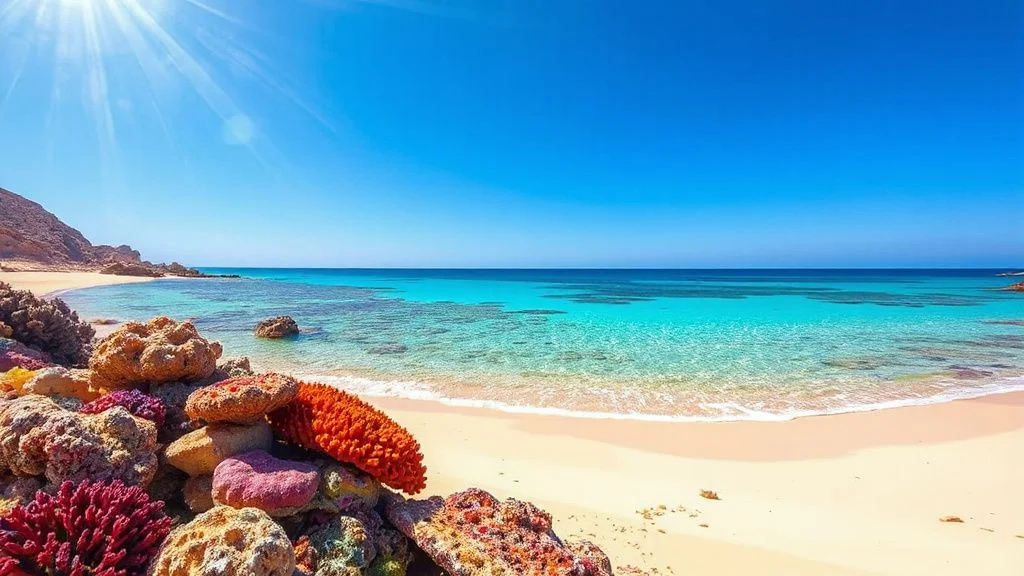
Saudi Arabia's Red Sea coast is renowned for its breathtaking beauty, vibrant marine life, and pristine beaches. This guide provides an in-depth look at what expatriates can expect regarding water quality, beach conditions, and practical advice for enjoying this stunning region. Whether you're planning a weekend getaway or a longer stay, understanding the nuances of the Red Sea beaches can enhance your experience.
What can we help you with?
Three short questions, then just how to reach you. No account needed.
1. Overview of the Red Sea Coast
The Red Sea stretches approximately 2,300 kilometers along the western coast of Saudi Arabia, providing a unique blend of stunning beaches, coral reefs, and desert landscapes. Key cities along this coast include Jeddah, Yanbu, and Umluj, each offering a variety of beach experiences. The waters here are teeming with marine life, making it a popular destination for divers and snorkelers alike.
Jeddah is particularly famous for its corniche, which features beautiful parks and a long stretch of beachfront, making it ideal for families and beachgoers. Yanbu, known for its historical significance as a port city, offers calmer waters, while Umluj is recognized for its untouched beauty and stunning islands. Overall, the Red Sea coast provides diverse experiences catering to both adventure seekers and those looking to relax.
2. Water Quality Insights
Understanding Water Quality
Water quality at Saudi Arabia's Red Sea beaches is generally high, thanks to strict regulations and a commitment to preserving the marine environment. The Saudi government has implemented various measures to monitor and protect water quality, especially in popular tourist areas. Typically, the water temperature ranges between 24°C to 30°C, depending on the season, making it pleasant for swimming and water sports.
However, it is essential to note that water quality can vary based on location and time of year. Coastal cities like Jeddah and Yanbu often have designated swimming areas that are regularly monitored for pollutants and bacteria. As of our last update, testing in these areas indicates that water quality typically meets international standards for swimming, but it is advisable to check local advisories before entering the water.
Factors Affecting Water Quality
Several factors can influence water quality along the Red Sea coast, including weather conditions, tourism levels, and local environmental practices. Heavy rainfall can lead to runoff, which may temporarily affect water quality. Additionally, high tourist activity can lead to increased waste in some areas, though efforts are made to manage this through regular clean-up initiatives and the establishment of eco-friendly practices at resorts.
Most resorts and public beaches have systems in place to ensure that the water remains clean and safe for visitors. For instance, major resorts often conduct their water quality tests, providing guests with updated information on swimming conditions. If you're visiting a less developed beach, it’s wise to check with locals or resort staff about current water quality before swimming.
3. Popular Beaches and Their Attributes
Jeddah Corniche
The Jeddah Corniche is one of the most popular beach destinations in Saudi Arabia, stretching approximately 30 kilometers along the city's waterfront. The area features various facilities, including parks, restaurants, and recreational areas, making it ideal for families. Water quality is consistently monitored, and designated swimming areas are marked for safety. The corniche is also known for its stunning sunset views, making it a picturesque spot for evening strolls.
Access to the Jeddah Corniche is convenient, with ample parking and public transport options. Expect to find well-maintained beaches with lifeguards on duty, adding to the safety of swimmers and sunbathers alike.
Yanbu Beaches
Yanbu is known for its serene beaches and crystal-clear waters, making it a favorite among both locals and expatriates. The beaches here are typically less crowded than those in Jeddah, providing a more tranquil beach experience. The water quality is generally excellent, with fewer pollutants due to Yanbu's smaller population and lower tourism pressure compared to larger cities.
Popular spots in Yanbu include Al Nakheel Beach and Yanbu Lagoon, both offering various amenities, including water sports and family-friendly activities. The beaches are regularly monitored for water quality, ensuring a safe environment for swimming and snorkeling.
Umluj and Its Hidden Gems
Umluj, often referred to as the "Maldives of Saudi Arabia," boasts some of the most stunning beaches and crystal-clear waters. The area's remote islands and pristine environments make it a fantastic location for snorkeling and diving. The water quality here is typically exceptional, with vibrant marine life and unspoiled coral reefs.
While Umluj may not have the same level of facilities as Jeddah or Yanbu, it offers a unique experience with its natural beauty. Visitors should check local resources for water quality updates, especially if planning to swim near untouched areas. Guided tours often include information about water quality and safety practices for snorkelers and divers.
4. Practical Tips for Expats Visiting the Red Sea Beaches
Safety Considerations
When visiting the Red Sea beaches, safety should always be a priority. Always swim in designated swimming areas where lifeguards are present. Be mindful of the weather, as strong winds and currents can affect water conditions. It’s advisable to swim in the morning or late afternoon when the water is typically calmer.
For snorkelers and divers, ensure that you have the proper equipment and knowledge of the area. Many local dive shops offer guided tours, which can enhance your experience and provide valuable insights into the marine environment. If you're new to diving, consider taking a course to familiarize yourself with safe practices.
What to Bring
Pack essentials for a day at the beach, including sunscreen, water, snacks, and a beach umbrella for shade. A first aid kit can be useful for minor injuries, especially if you plan to engage in water sports. If you have sensitive skin or allergies, bring any necessary medications or ointments, as the sun can be intense, and some beach areas may have jellyfish.
Additionally, consider bringing water shoes, as some beaches may have rocky areas or coral reefs that can be sharp. Ensure you have a good camera or smartphone to capture the breathtaking scenery and vibrant marine life you’ll encounter during your visit.
5. Conclusion
The Red Sea beaches of Saudi Arabia offer a unique combination of stunning natural beauty and vibrant marine ecosystems. With high water quality and a variety of beach experiences, expatriates can enjoy everything from family-friendly outings on the Jeddah Corniche to tranquil days on the shores of Umluj. By understanding water quality and safety considerations, expats can make the most of their beach adventures along this remarkable coastline.
In summary, whether you're a diver, a beach lover, or someone looking to unwind in beautiful surroundings, the Red Sea has something to offer everyone. Plan your visit with these insights in mind to ensure a memorable and safe experience.
AI-Generated Content: This article was created with AI assistance and may contain inaccuracies. Please verify important information with official sources.
Primary Sources
Last updated: October 2026