
This guide was synthesized using the latest legislative data and verified by our editorial board. Laws are subject to change; always consult official sources for final confirmation.
Saudi Arabia's wetlands are essential ecosystems that provide vital services and habitat for diverse species. These areas are not only crucial for the environment but also hold cultural and economic significance for the nation. This article offers an overview of the wetlands in Saudi Arabia, focusing on their conservation, ecological importance, and the roles they play in biodiversity preservation.
Understanding Wetlands in Saudi Arabia
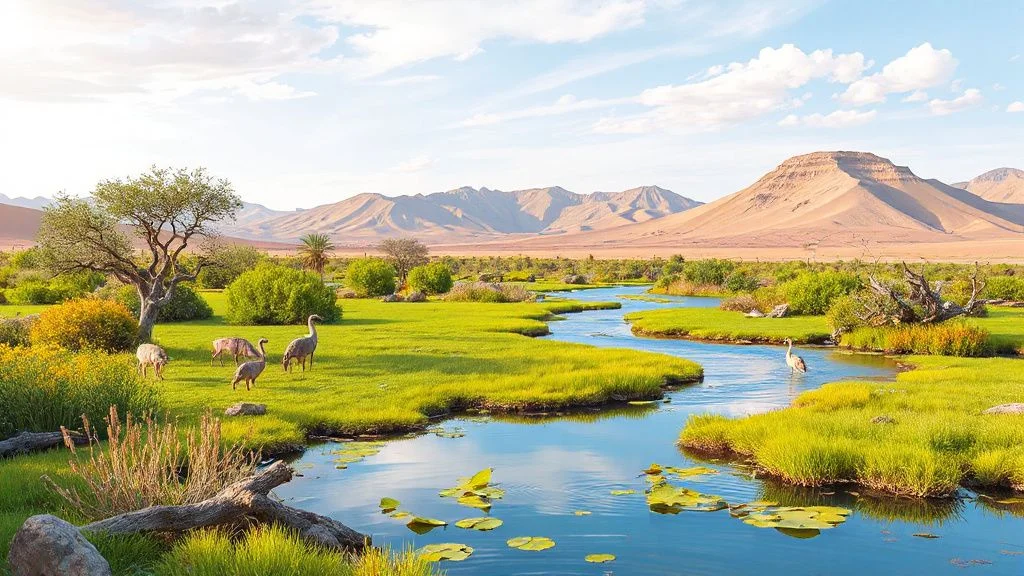
Wetlands are defined by the Ramsar Convention as areas where water is present, either permanently or seasonally, and includes marshes, lagoons, and other similar habitats. In Saudi Arabia, wetlands can be found in various forms, including coastal mangroves along the Red Sea and Arabian Gulf, saline sabkhas (salt flats), and freshwater lakes like Al-Asfar Lake. These areas are crucial for supporting flora and fauna, particularly migratory birds and endangered species.
The Importance of Wetlands
Wetlands contribute significantly to biodiversity, acting as breeding grounds for fish and providing habitat for numerous bird species. They serve as critical stopover points for migratory birds, especially those traveling along the African-Eurasian flyway. In addition to their ecological benefits, wetlands enhance water quality by filtering pollutants and sediments, thus protecting the surrounding environments.
From an economic perspective, wetlands in Saudi Arabia also play a role in agriculture, fisheries, and tourism. They support local economies by providing resources and opportunities for recreational activities. However, the sustainability of these ecosystems is threatened by urbanization, pollution, and climate change.
Current Conservation Efforts
Recognizing the ecological significance of wetlands, Saudi Arabia has initiated various conservation programs. The Kingdom's Vision 2030 framework emphasizes environmental sustainability and biodiversity protection. Aramco, a leading energy company in the region, has established a Wetlands Program to conserve and restore wetlands across its operational areas. This initiative aims to identify and protect wetlands, ensuring their ecological health and promoting biodiversity.
Key Conservation Projects
As of 2026, Aramco has designated 22 wetlands as Biodiversity Protection Areas (BPAs) within its operational lands. This designation signifies the critical ecological importance of these areas and aims to prioritize their conservation. The BPAs focus on safeguarding both terrestrial and marine ecosystems, which are vital for sustaining wildlife populations and maintaining ecosystem services.
Specific wetlands, such as Lake Lanhardt and Lake Graner located in Dhahran, have become established ecosystems supporting diverse wildlife. These areas are home to migratory birds, including several species listed as Threatened on the International Union for Nature Conservation's (IUCN) Red List. The ongoing efforts to monitor and protect these wetlands have resulted in the documentation of 443 species, including 24 categorized as Threatened.
Wetlands as Wildlife Sanctuaries
Wetlands in Saudi Arabia serve as essential wildlife refuges. They provide habitats for a variety of species, including amphibians, reptiles, birds, and mammals. For instance, the Eastern Province is home to Al-Asfar Lake, which is significant for its biodiversity, providing a habitat for various bird species and other wildlife. The conservation of this lake is critical, as it is an artificial lake primarily fed by agricultural drainage water, highlighting the need for sustainable management practices.
Threats to Wetlands
Despite their importance, Saudi Arabia's wetlands face numerous threats. Urban development and infrastructure expansion often lead to habitat loss and degradation. Additionally, agricultural runoff introduces pollutants that can harm the delicate balance of these ecosystems. Climate change poses another significant risk, altering rainfall patterns and increasing evaporation rates in an already arid region.
To combat these threats, conservationists advocate for integrated management strategies that encompass sustainable land-use practices. This includes promoting awareness among local communities and stakeholders about the ecological value of wetlands and the necessity for their protection.
Practical Tips for Expatriates
For expatriates living in Saudi Arabia or those considering relocation, understanding the importance of wetlands and protected areas can enhance their experience and foster a greater appreciation for the local environment. Here are some practical tips:
- Engage with Local Conservation Initiatives: Participate in or support local conservation programs and volunteer opportunities focused on wetland preservation. This can be a rewarding way to contribute to the community and learn more about the region's biodiversity.
- Visit Protected Areas: Explore designated wetland areas, such as Al-Asfar Lake or the BPAs established by Aramco. These visits can provide insight into the unique ecosystems and the species that inhabit them.
- Educate Yourself and Others: Stay informed about the ecological significance of wetlands and share this knowledge with peers. Understanding the role wetlands play in environmental health and local economies can encourage responsible behaviors and advocacy for conservation.
- Adopt Sustainable Practices: Be mindful of personal practices that may impact wetland health. Simple actions like reducing water usage, avoiding pollution, and supporting sustainable agriculture can contribute positively to environmental conservation efforts.
Conclusion
The wetlands of Saudi Arabia are invaluable ecosystems that support biodiversity and provide essential services. As the Kingdom continues to prioritize environmental sustainability through initiatives like the Wetlands Program, expatriates can play a crucial role in supporting these efforts. By understanding the significance of wetlands and taking practical steps to engage with conservation efforts, expatriates can contribute to the preservation of these vital habitats for future generations.
Primary Sources
Last updated: October 2026