
This guide was synthesized using the latest legislative data and verified by our editorial board. Laws are subject to change; always consult official sources for final confirmation.
Relocating to Saudi Arabia can be an exciting yet daunting journey, especially for families. This guide outlines a comprehensive ninety-day timeline to help you settle into your new home in cities like Riyadh or Jeddah. You’ll learn about crucial steps, cultural nuances, and practical tips to ensure a smooth transition.
What can we help you with?
Three short questions, then just how to reach you. No account needed.
Days 1-30: Establishing the Foundation
Week 1: Immediate Priorities
Your first week in Saudi Arabia is critical for laying the groundwork for your new life. Upon arrival, the first task is to secure a local SIM card from providers like STC or Mobily, available at the airport. You’ll need your passport and visa stamp, and monthly plans typically start at around SAR 75 (approximately USD 20). This will enable you to stay connected and facilitate communication with your employer and local services.
Next, registering for Absher is essential. This digital platform allows you to track your Iqama (residency permit), manage government services, and access important information. Download the Absher app, create an account using your passport details, and get started even before your Iqama is issued. This early registration can simplify your dealings with local authorities down the line.
Week 2: Medical Check and Iqama Process
Within the first two weeks, schedule your medical check-up required for the Iqama process. This step is mandatory and cannot be completed without your physical presence. Ensure this is done early, as your work visa is only valid for 90 days from the date of entry. The Iqama process can take 4-8 weeks, and it’s advisable to follow up with your employer to confirm that they are initiating the necessary paperwork.
In addition, consider opening a temporary bank account. While many banks require an Iqama for a full account, some may offer basic services with just a passport and proof of employment. Having local banking access is crucial for managing day-to-day expenses.
Days 31-60: Settling In
Finding Housing and Schools
By the end of the first month, aim to have your housing situation sorted. Research local amenities, schools, and community services to find a suitable location for your family. Rental prices can vary greatly, but generally, you might expect to pay a reasonable amount for a decent apartment in a family-friendly area.
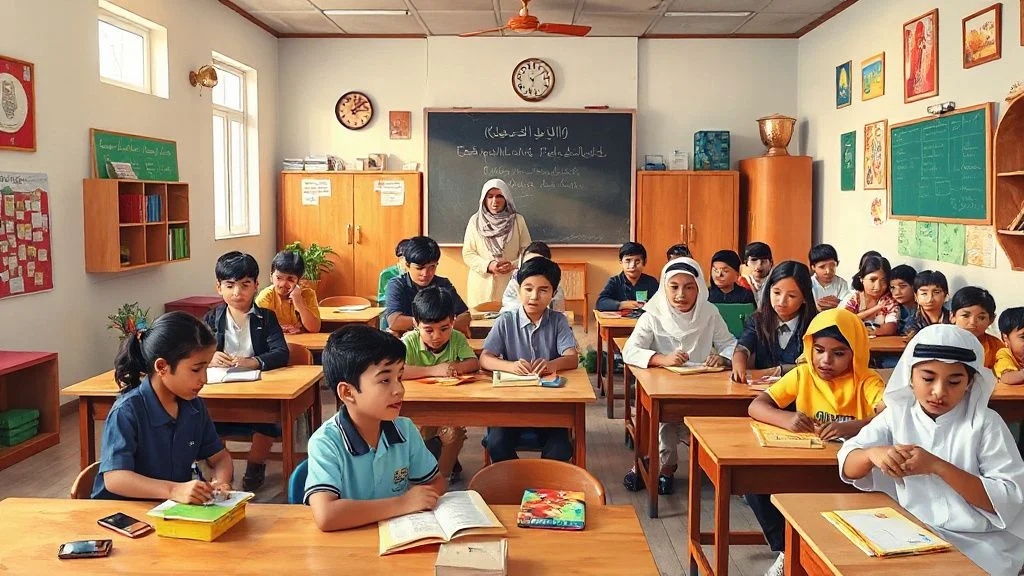
As school admissions can be competitive, begin researching schools early. Many expatriate families prefer international schools that follow curricula from their home countries. Consider factors like location, fees, and extracurricular activities when making your choice. Tuition fees can vary depending on the institution, so it's wise to check with schools directly for the most accurate information.
Community Integration
Getting involved in the community can ease the transition for your family. Seek out local expatriate groups or community centers that host events and activities. This is a great way to meet other families and gain insights into local customs and daily life. Additionally, familiarize yourself with cultural practices, such as dress codes and dining etiquette, which can enhance your family's experience in Saudi Arabia.
Days 61-90: Finalizing Adjustments
Completing the Iqama Process
By this stage, your Iqama should be issued. Ensure you receive your residency permit promptly, as it’s critical for various aspects of living in Saudi Arabia, including obtaining a local driver's license and accessing healthcare services. Once you have your Iqama, register your family members under your residency for any potential government benefits.
In the final weeks, take care of any remaining paperwork, such as securing a health insurance plan. Health insurance is mandatory for expatriates and can vary in cost, so it’s important to shop around and find a plan that suits your needs and budget.
Preparing for Daily Life
As you settle into your new routine, familiarize yourself with local transportation options. Riyadh has a growing public transit system, including buses and the Riyadh Metro, but many expatriates prefer using ride-hailing apps for convenience. In Jeddah, driving is common, and having a local driver's license will be beneficial.
Finally, explore local markets and supermarkets to understand the cost and availability of everyday goods. Grocery shopping can be quite different from what you may be used to, so consider visiting a few stores to compare prices and product selections.
What Expats Should Know
Understanding cultural nuances is vital for a smooth transition. The weekend in Saudi Arabia is observed on Friday and Saturday, so plan your family activities accordingly. Additionally, be mindful of local customs, such as gender segregation in public spaces and the importance of dressing modestly. Familiarize your family with these practices to avoid unintentional faux pas.
Lastly, patience is key. Adjusting to a new environment takes time, and there will be challenges along the way. Embrace the experience, engage with the local community, and support each other as a family during this transition.
In conclusion, settling into Saudi Arabia requires careful planning and a proactive approach. By following this ninety-day timeline, families can navigate the complexities of relocation with greater ease, ensuring a successful start to their new life in Riyadh or Jeddah.
AI-Generated Content: This article was created with AI assistance and may contain inaccuracies. Please verify important information with official sources.