
This guide was synthesized using the latest legislative data and verified by our editorial board. Laws are subject to change; always consult official sources for final confirmation.
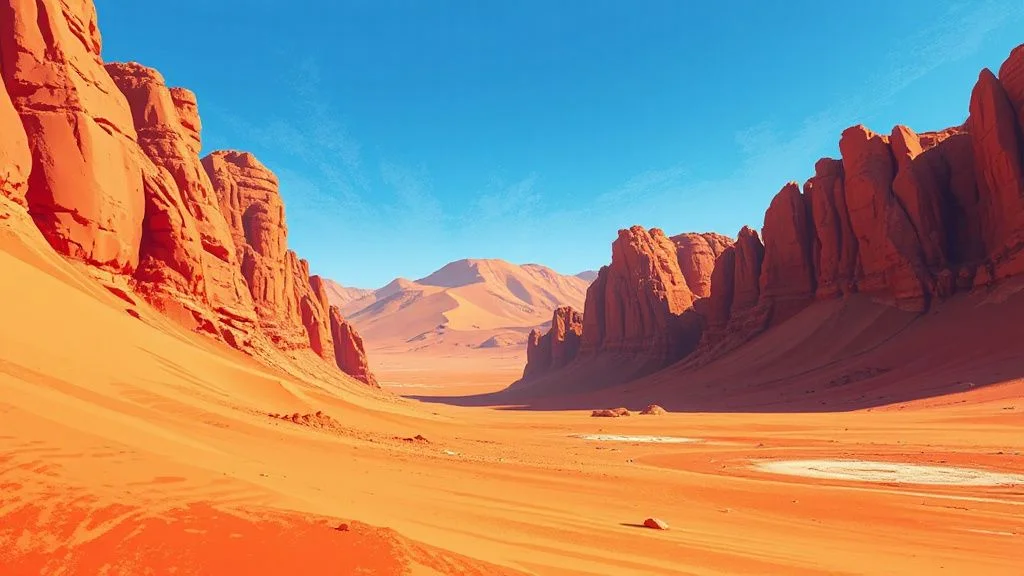
The Empty Quarter, known as Al Rub Al Khali, is not just any desert; it is the world's largest continuous sand desert, covering approximately 650,000 square kilometers (250,000 square miles) across Saudi Arabia and neighboring countries. This article delves into the desert's striking red sands, unique geography, and practical insights for expatriates in Saudi Arabia. Readers will learn about the desert's climate, accessibility, and what to expect when venturing into this mesmerizing landscape.
What can we help you with?
Three short questions, then just how to reach you. No account needed.
The Landscape of the Empty Quarter
Geographic Features
The Empty Quarter is characterized by its vast sea of dunes, some of which can soar up to 150 meters in height. The terrain is not uniform; it features a mix of high sand dunes, gravel plains, and occasional salt flats. The dunes are typically formed from fine, red-orange sand, which gets its distinctive hue from iron oxide. This coloration creates a stunning contrast against the stark blue skies of the region.
Geographically, the desert stretches across four countries: Saudi Arabia, the United Arab Emirates, Oman, and Yemen. However, the majority of this expansive desert lies within Saudi Arabia, where visitors can explore a variety of landscapes, including stunning lakes that provide a rare oasis in the desert. These lakes are noted for their unique ecosystem and are surrounded by towering sand dunes.
Travel Accessibility
For expatriates based in Riyadh or Jeddah, the Empty Quarter is a feasible travel destination. While the exact distance to the nearest dunes in the Rub Al Khali can vary, it is advisable to plan for a significant journey. Alternatively, flying to regional cities can offer quicker access to the desert, with rental vehicles available for off-road exploration.
Local tour operators often arrange guided desert safaris that can enhance the experience. These tours typically include activities such as dune bashing, camel riding, and stargazing, which are excellent ways to immerse oneself in the desert environment. Always ensure to book with reputable operators, and verify their safety standards before embarking on any adventure.
The Climate and Weather Patterns
Temperature Extremes
The climate of the Empty Quarter is defined by extreme conditions. Summer temperatures can soar above 50°C (122°F), making daytime activities challenging. Conversely, winter months (December to February) offer milder temperatures, with daytime highs around 25°C (77°F) and significantly cooler nights, which can be quite chilly.
Rainfall is minimal, contributing to the desert's arid conditions. However, occasional rain can transform the landscape, turning the sand into a vibrant display of colors and life. Expatriates should plan their visits during the cooler months for a more pleasant experience, ideally from late October to early April.
Seasonal Considerations
Each season in the Empty Quarter presents unique opportunities. Spring and autumn are particularly beautiful times to visit, as the temperatures are moderate, and the landscapes are often accentuated by blooming desert flora. While planning a trip, consider the lunar calendar as well, since full moons provide exceptional stargazing opportunities in the clear desert night sky.
Despite the breathtaking vistas, it is crucial to take safety precautions. Visitors should always travel with adequate supplies, including water, food, and navigation tools, as getting lost in the vast expanse can be perilous. It’s advisable to inform someone of your travel plans, particularly if venturing into remote areas.
The Biodiversity of the Empty Quarter
Flora and Fauna
Despite its harsh environment, the Empty Quarter is home to various plant and animal species adapted to survive in extreme conditions. Vegetation is sparse but includes resilient species like the ghaf tree, which can survive with minimal water. These trees often provide shade and shelter for wildlife.
Animal life is equally fascinating; the desert is home to creatures such as Arabian oryx, sand gazelles, and various reptiles and rodents. Birdwatchers can also spot migratory species that pass through the region, particularly during the cooler months. The presence of these species indicates the delicate ecosystem that exists within this seemingly desolate environment.
Environmental Challenges
The Empty Quarter faces environmental challenges, primarily due to climate change and human activity. The delicate balance of its ecosystem can be disrupted by overexploitation of resources or pollution. Visitors are encouraged to practice “leave no trace” principles, ensuring that the natural beauty of the desert remains intact for future generations. This includes avoiding littering and staying on designated paths when exploring the dunes.
Practical Tips for Expats Visiting the Empty Quarter
What to Bring
When preparing for a trip to the Empty Quarter, packing appropriately is vital. Essential items include:
- Water: At least 3-4 liters per person per day is recommended.
- Sun Protection: Sunscreen, hats, and sunglasses are crucial to protect against UV rays.
- Clothing: Lightweight, breathable garments are best for daytime, while warmer layers are necessary for nighttime.
- Navigation Tools: GPS devices or offline maps are vital for navigation in the vast desert.
Additionally, a first-aid kit is advisable for minor injuries and ailments, considering the remote nature of the area.
Engaging with Local Culture
Engaging with local Bedouin culture can enrich your experience in the Empty Quarter. Consider seeking out local guides who can provide insight into the traditions and history of the region. Many guides offer cultural experiences, such as traditional meals and storytelling sessions, enhancing your understanding of the desert's significance to its inhabitants.
It’s essential to respect local customs and traditions, particularly regarding dress and behavior in rural areas. Adhering to cultural norms fosters positive interactions and a deeper appreciation for the region.
Conclusion
The Empty Quarter, with its mesmerizing red sands and unique geographical features, offers a captivating experience for expatriates in Saudi Arabia. From its extreme climate to its rich biodiversity, the desert presents both challenges and opportunities for exploration. With careful planning, respect for the environment, and engagement with local culture, visitors can fully appreciate the beauty and mystery of this iconic landscape.
Whether you are an adventurous spirit or simply seeking to understand more about Saudi Arabia's natural wonders, the Empty Quarter is a destination worth exploring.
AI-Generated Content: This article was created with AI assistance and may contain inaccuracies. Please verify important information with official sources.
Primary Sources
Last updated: October 2026