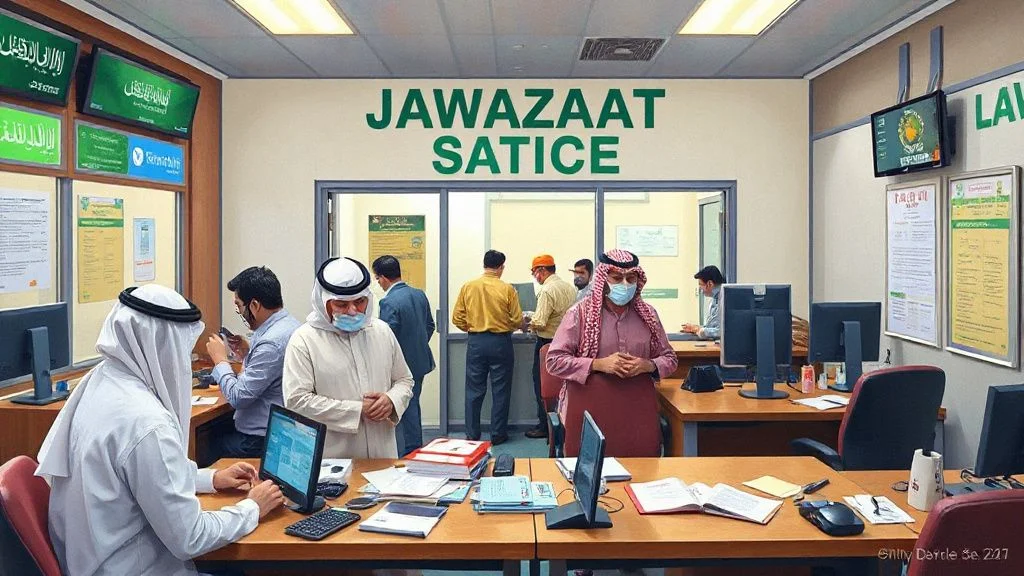
Correcting a Muqeem record for a dependent in Saudi Arabia is a crucial process for expatriates, especially those living in major cities like Riyadh and Jeddah. This article will guide you through the necessary steps, required documents, and common pitfalls to avoid, ensuring a smooth correction process for your dependent's residency record.
What can we help you with?
Three short questions, then just how to reach you. No account needed.
Understanding the Muqeem System
The Muqeem system is an electronic platform managed by the Saudi Ministry of Interior, designed to streamline residency and immigration processes for expatriates. Each expatriate and their dependents are assigned a unique Muqeem number, which is essential for various legal and administrative tasks, including employment, healthcare access, and education enrollment.
When discrepancies arise in a dependent's Muqeem record—such as incorrect names, dates of birth, or other personal details—it is vital to correct these errors promptly. Failure to do so can lead to complications in residency status, visa renewals, and access to essential services.
Common Reasons for Muqeem Record Corrections
There are several reasons why you might need to correct a Muqeem record for a dependent. Understanding these common issues can help you prepare for the correction process:
- Name Discrepancies: Variations in spelling or order of names between documents can cause issues. For example, if a dependent's name on their passport differs from that on their birth certificate, this discrepancy must be resolved.
- Date of Birth Errors: Incorrect birth dates can occur due to clerical mistakes during the initial application process. This can affect everything from school enrollment to healthcare access.
- If a dependent's marital status changes, such as through marriage or divorce, this must be updated in the Muqeem system.
- If a dependent acquires a new nationality, this must be reflected in their Muqeem record.
Required Documents for Correction
To initiate a Muqeem record correction for a dependent, you will need to gather several key documents. The exact requirements may vary depending on the nature of the correction, but typically include:
- Original Passport: The dependent's current passport must be presented, showing their identity and nationality.
- Iqama of the Sponsor: The sponsor's Iqama (residence permit) is necessary to verify the relationship and residency status.
- Supporting Documents: Depending on the correction, you may need to provide additional documents such as:
- Birth certificate (for name or date of birth corrections)
- Marriage certificate (for marital status updates)
- Legal documents proving nationality change (if applicable)
- Application Form: A completed application form for Muqeem record correction, which can typically be obtained from the Ministry of Interior's website or local immigration offices.
Step-by-Step Process for Correcting a Muqeem Record
The process for correcting a Muqeem record involves several steps. Here’s a detailed breakdown:
1. Gather Required Documents
Start by collecting all necessary documents as outlined above. Ensure that all documents are current and accurately reflect the dependent's details. It is advisable to have both original documents and photocopies ready for submission.
2. Visit the Local Jawazat Office
Next, you will need to visit the local Jawazat (General Directorate of Passports) office. It is recommended to schedule an appointment in advance, if possible, to reduce waiting time. Bring all gathered documents, including the application form.
3. Submit the Application
At the Jawazat office, submit your application along with the required documents. The officer will review your application and may ask for additional information or clarification. Be prepared to answer any questions regarding the dependent's residency status and the reason for the correction.
4. Pay Applicable Fees
While the exact fees for Muqeem record corrections can vary, typically, there is a processing fee associated with the application. Verify the current fee structure with the Jawazat office or through official channels, as this can change. Payment can usually be made via cash or bank transfer.
5. Await Processing
After submitting your application, the correction process may take several days to weeks, depending on the complexity of the case and the workload at the Jawazat office. During this time, you can track the status of your application through the Muqeem online portal.
6. Collect the Updated Muqeem Record
Once the correction is approved, you will receive an updated Muqeem record for your dependent. Ensure that all details are correct before leaving the office. If any further discrepancies are found, address them immediately.
Common Pitfalls to Avoid
While navigating the Muqeem record correction process, expatriates often encounter common pitfalls. Here are some tips to avoid these issues:
- Inaccurate Documentation: Double-check all documents for accuracy before submission. Incomplete or incorrect documents can lead to delays or rejections.
- Missing Appointments: Ensure you arrive on time for your appointment at the Jawazat office. Missing your appointment can result in having to reschedule, prolonging the correction process.
- Failure to Follow Up: After submission, keep track of your application status. If you do not receive updates within a reasonable timeframe, follow up with the Jawazat office.
Practical Tips for Expatriates
Here are some insider tips to help expatriates navigate the Muqeem record correction process more effectively:
- Use Official Channels: Always refer to official government websites or authorized immigration consultants for the most accurate and up-to-date information regarding Muqeem corrections.
- Language Assistance: If Arabic is not your first language, consider bringing a translator or a bilingual friend to help communicate effectively during your visit to the Jawazat office.
- Document Everything: Keep copies of all submitted documents and any correspondence with the authorities. This can be invaluable if you need to reference your case later.
- Be Patient: The correction process can be time-consuming, so patience is key. Plan accordingly and allow for potential delays.
Conclusion
Correcting a Muqeem record for a dependent is a vital process that ensures compliance with Saudi residency regulations. By understanding the common reasons for corrections, gathering the necessary documents, and following the outlined steps, expatriates can navigate this process more smoothly. Remember to stay informed about any changes in regulations and maintain open communication with the relevant authorities to avoid complications. Taking these steps will help ensure that your dependent's residency status remains secure and that they can access essential services without interruption.