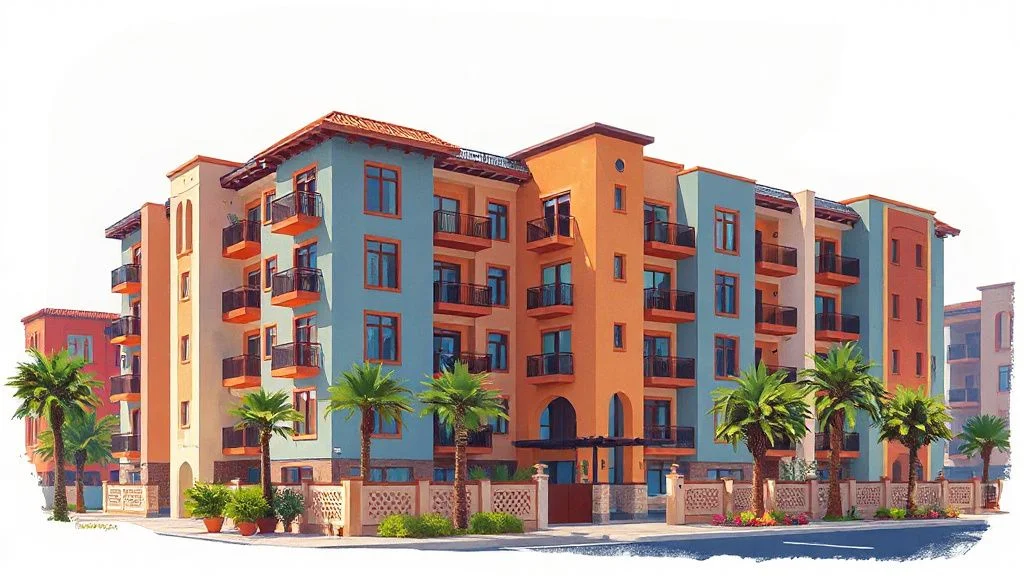
Relocating to the Eastern Province of Saudi Arabia can be an exciting journey, especially for expatriates seeking new professional opportunities. One crucial aspect of settling into your new life is understanding the rental market, particularly the deposits associated with leasing a flat. This article will explore the typical deposit requirements, the processes involved, and practical advice for navigating the rental landscape.
What can we help you with?
Three short questions, then just how to reach you. No account needed.
Understanding Lease Deposits in Saudi Arabia
In Saudi Arabia, the rental market operates under a system that emphasizes mutual agreement between landlords and tenants. When leasing a flat, a security deposit is a standard requirement. This deposit is intended to safeguard the property and ensure that it is returned in good condition at the end of the lease term.
According to the regulations established by the Ejar platform, which facilitates rental agreements in Saudi Arabia, the security deposit must be paid at the time of contract registration. This platform acts as a neutral custodian, holding the deposit and ensuring compliance with legal requirements. As of 2026, the deposit is typically equivalent to one or two months' rent, but the exact amount can vary based on several factors.
Deposit Amounts and Variability
While there is no fixed limit on the amount of the security deposit, it is crucial to negotiate this amount with the landlord before finalizing the lease agreement. Typically, landlords in the Eastern Province may request a deposit that ranges from one month’s rent to two months’ rent, depending on the property’s condition, location, and market demand.
For example, if you are looking at a flat in a desirable neighborhood like Al Khobar, where rental prices can be higher due to proximity to the coast and expat-friendly amenities, you might encounter deposit requests that lean towards the higher end of this range. Conversely, in areas that are further from the city center, such as Dammam or Dhahran, you might find more flexibility in the deposit amount. Therefore, it’s prudent to conduct research on typical rental prices in your chosen area before entering negotiations.
The Ejar System and Its Role
The Ejar system is a significant aspect of the rental process in Saudi Arabia. This platform not only facilitates the registration of lease agreements but also securely manages the financial transactions related to security deposits. The Real Estate General Authority (REGA) oversees Ejar, ensuring that all transactions comply with local laws and regulations.
When using Ejar, both the landlord and tenant must document the agreed-upon deposit amount in the unified contract. This digital documentation helps protect both parties and reduces disputes regarding the return of the deposit at the end of the lease term.
Process of Paying the Deposit
The deposit payment must be made through Ejar’s designated digital channels, such as Mada or SADAD. This ensures that the funds are securely held in escrow until the lease is terminated. After the end of the lease, the landlord has a specific period (15 days) to claim any deductions for damages or unpaid utilities before the deposit is automatically refunded to the tenant’s registered account.
This process underscores the importance of adhering to the regulations set forth by Ejar. Tenants should ensure that the deposit payment is properly documented to avoid complications later on. By using the Ejar platform, tenants can rest assured that their security deposit is managed fairly and transparently.
Negotiating the Lease Terms
When negotiating the lease terms, it’s essential to communicate openly with the landlord about what the deposit covers and any potential deductions that may arise during the tenancy. For instance, common deductions might include repair costs for damages that exceed normal wear and tear or unpaid utility bills that were the tenant's responsibility.
Before signing the lease, it’s advisable to conduct a thorough inspection of the property. Document the condition of the flat, noting any existing damages or issues. This documentation will be invaluable when it comes time to evaluate the condition of the property at the end of the lease. If possible, take photographs and ensure that both parties sign off on the condition report to prevent disputes later.
Understanding Your Rights and Responsibilities
As a tenant in Saudi Arabia, you have certain rights and responsibilities that are important to understand. Under Saudi law, tenants are entitled to live in the property for the agreed lease term without facing arbitrary eviction. Additionally, landlords are required to maintain the property in a habitable condition throughout the lease.
It’s also important to be aware of the cultural context in which you are renting. Saudi Arabia values hospitality and respect, and this is reflected in the landlord-tenant relationship. Open communication and mutual respect can go a long way in fostering a positive rental experience. If issues arise, addressing them directly and respectfully can often yield better results than more confrontational approaches.
What Expats Should Know About Renting in the Eastern Province
As an expatriate, navigating the rental landscape in Saudi Arabia can be daunting. Here are some practical tips to help you through the process:
- Research Local Market Trends: Familiarize yourself with the rental market in your desired neighborhood. Different areas may have vastly different rental prices and deposit expectations.
- Engage with Local Real Estate Agents: Consider enlisting the help of local real estate agents who have expertise in the expat rental market. They can provide valuable insights and help you find suitable properties.
- Understand Lease Duration: Lease agreements are typically for one year, but shorter or longer terms can be negotiated. Ensure you know the lease duration and any penalties for early termination.
- Know Your Payment Options: Setting up a Saudi bank account can simplify the payment process for rent and deposits. It allows you to use local payment channels effectively.
- Be Mindful of Local Customs: Understand that cultural norms play a significant role in interactions. Building rapport with your landlord can lead to a smoother rental experience.
Conclusion
Leasing a flat in the Eastern Province of Saudi Arabia involves understanding the deposit requirements, the role of the Ejar system, and the overall rental landscape. By familiarizing yourself with typical deposit practices, negotiating effectively, and respecting local customs, you can ensure a positive renting experience. Remember that the deposit is not just a financial commitment; it also reflects your responsibility as a tenant to care for your living space. Embrace this new chapter with confidence, and enjoy your time in Saudi Arabia!
Primary Sources
Last updated: November 2026