Understanding the identification requirements set by the Saudi Central Bank (SAMA) is crucial for expatriates and visitors looking to open bank accounts in Saudi Arabia. This article delves into the various forms of identification accepted by SAMA, the implications for different nationalities, and practical steps for compliance.
What can we help you with?
Three short questions, then just how to reach you. No account needed.
Overview of Identification Requirements
The Saudi Central Bank has established specific guidelines regarding the identification documents required for opening bank accounts. These requirements are designed to enhance security, promote financial inclusion, and streamline banking processes. As of recent updates, the following identification documents are typically accepted:
1. National ID or Iqama
For Saudi citizens and expatriates residing in the Kingdom, the primary identification document is the National ID or Iqama. The Iqama serves as a residence permit and is essential for various transactions, including banking. It is important to ensure that the Iqama is valid and not expired, as banks will require this for account opening and other financial services.
2. Visitor ID
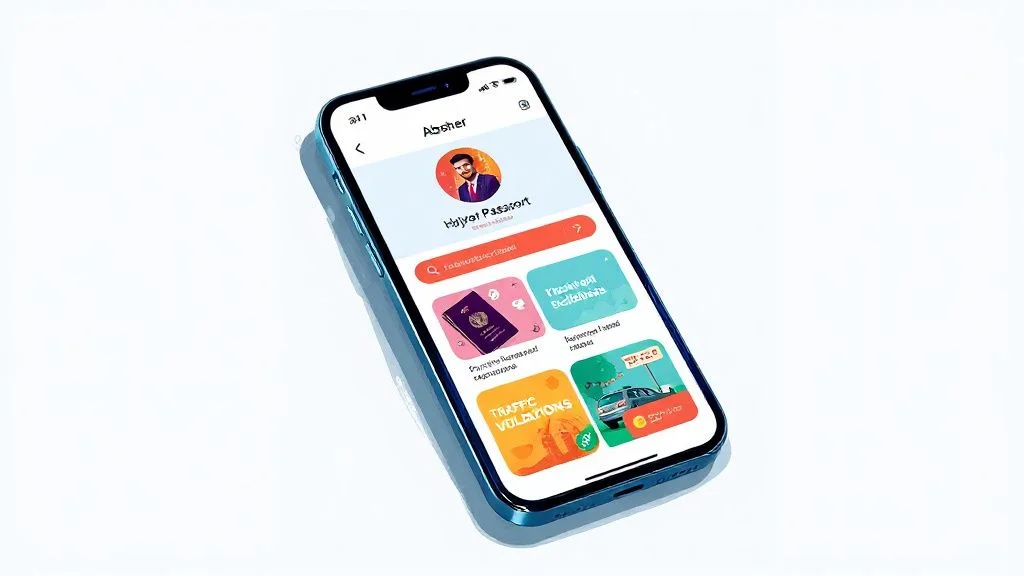
In a significant development, the Saudi Central Bank has approved the use of the Visitor ID for opening bank accounts. This ID, issued by the Ministry of Interior, is specifically designed for non-residents visiting Saudi Arabia. Banks can verify this identification through authorized digital platforms, facilitating a smoother account opening process for visitors. This initiative aims to enhance the visitor experience and promote financial inclusion during their stay in the Kingdom.
Identification for Different Nationalities
While the basic requirements remain consistent, there may be variations in the identification process for different nationalities. For instance, expatriates from certain countries may need to provide additional documentation, such as:
1. Passport
International visitors are generally required to present a valid passport along with their Visitor ID when opening a bank account. The passport serves as a primary identification document and must be valid for the duration of the stay in Saudi Arabia.
2. Additional Documentation
Some banks may request additional documents, such as proof of address or employment verification. It is advisable to check with the specific bank regarding their requirements, as these can vary. Commonly, a utility bill or a letter from an employer may suffice.
Steps to Open a Bank Account
Opening a bank account in Saudi Arabia involves several steps, which can vary slightly depending on the bank. Here’s a general guide to the process:
1. Choose a Bank
Research various banks operating in Saudi Arabia to find one that meets your needs. Consider factors such as fees, services offered, and customer reviews. Many banks have online platforms that provide detailed information about their services.
2. Prepare Your Documents
Gather the necessary identification documents, including your Iqama or Visitor ID, passport, and any additional documentation required by the bank. Ensure that all documents are up-to-date and valid.
3. Visit the Bank
Once you have your documents ready, visit the bank branch to initiate the account opening process. Some banks may offer online account opening options, particularly for those using the Visitor ID.
4. Complete the Application
Fill out the bank’s application form, providing all required information. This may include personal details, contact information, and employment status. Be prepared to answer questions regarding the purpose of the account.
5. Deposit Funds
Most banks will require an initial deposit to activate the account. The amount may vary depending on the bank’s policies. Verify the minimum deposit requirement before proceeding.
Common Pitfalls and Mistakes
When navigating the banking system in Saudi Arabia, expatriates and visitors should be aware of common pitfalls that can delay the account opening process:
1. Incomplete Documentation
Ensure that all required documents are complete and valid. Missing or expired documents can lead to delays or rejection of the application.
2. Ignoring Bank Policies
Each bank may have specific policies regarding account types and services. Familiarize yourself with these policies to avoid misunderstandings and ensure a smoother experience.
Practical Tips for Expats
For expatriates and visitors, here are some insider tips to enhance your banking experience in Saudi Arabia:
- Research Banks: Before choosing a bank, compare services, fees, and customer reviews to find the best fit for your needs.
- Language Support: If you are not fluent in Arabic, consider banks that offer services in English or other languages to facilitate communication.
- Understand Fees: Be aware of any fees associated with account maintenance, withdrawals, and international transfers to avoid unexpected charges.
- Digital Banking: Explore digital banking options for convenience, especially if you are a frequent traveler. Many banks offer mobile apps for easy access to your account.
Conclusion
Understanding the identification requirements set by the Saudi Central Bank is essential for expatriates and visitors looking to open bank accounts in Saudi Arabia. With the recent inclusion of the Visitor ID as an accepted form of identification, the banking experience for tourists has become more accessible. By preparing the necessary documents and following the outlined steps, you can navigate the banking system effectively and enjoy the benefits of financial services during your stay in the Kingdom.
Primary Sources
Last updated: November 2026