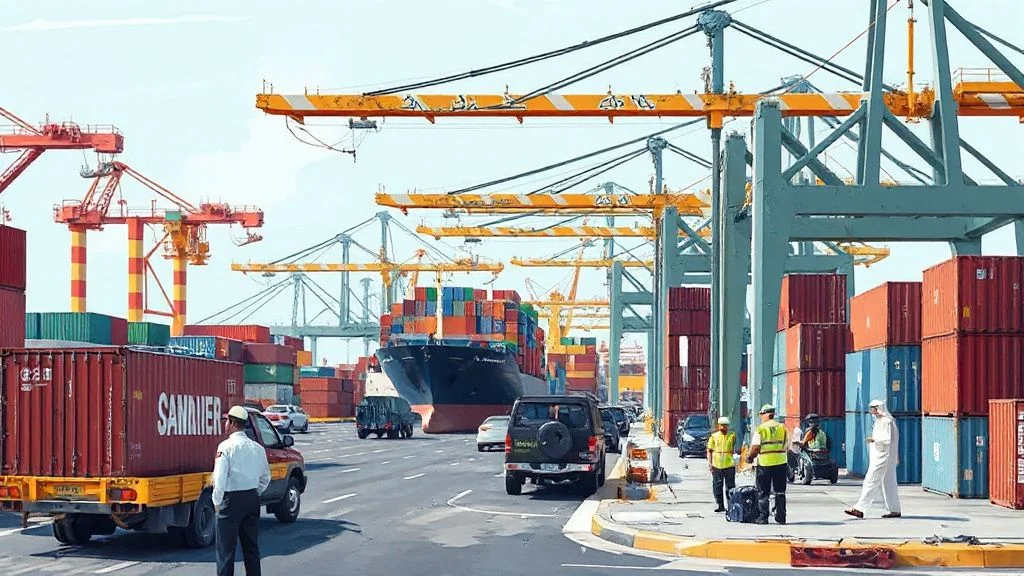
Relocating to Saudi Arabia can be an exciting yet complex process, especially when it comes to shipping your household goods. Understanding when customs duty is due on a shipped household container is crucial for expatriates, as it can significantly impact your moving budget. This article will provide detailed insights into customs duties, how they are calculated, and what expats need to know to navigate this aspect of their relocation smoothly.
What can we help you with?
Three short questions, then just how to reach you. No account needed.
What is Customs Duty?
Customs duty, often referred to as tariffs, is a tax imposed on goods when they are transported across international borders. In Saudi Arabia, customs duties are typically calculated as a percentage of the customs value of the goods. This value includes the cost of the goods, shipping, and insurance. The purpose of customs duties is to generate revenue for the government and protect local industries by making imported goods more expensive.
How Customs Duty is Calculated
The calculation of customs duty in Saudi Arabia is based on the Harmonized System (HS) code, which classifies goods for customs purposes. Each item you ship will have a specific HS code that determines the applicable duty rate. Generally, the customs duty rate for household goods is around 5% of the customs value, but this can vary depending on the type of item being imported.
For example, if you are shipping household furniture valued at SAR 10,000, the customs duty would typically be calculated as follows:
- Customs Value: SAR 10,000
- Customs Duty Rate: 5%
- Customs Duty: SAR 10,000 x 0.05 = SAR 500
It’s important to note that in addition to customs duties, you may also be liable for Value Added Tax (VAT), which is currently set at 15% in Saudi Arabia. This tax is applied to the total of the customs value plus the customs duty.
Understanding the Customs Clearance Process
The customs clearance process is essential for ensuring that your household goods are legally imported into Saudi Arabia. This process begins in the country of origin and concludes in Saudi Arabia, where customs authorities assess and approve the shipment. To facilitate this process, you must provide accurate documentation, including a commercial invoice, packing list, and any required certificates (such as a Certificate of Conformity for certain goods).
Once your shipment arrives in Saudi Arabia, the customs authorities will review the documentation and inspect the goods if necessary. If everything is in order, you will be required to pay the customs duties and VAT before your goods can be released for delivery.
When is Customs Duty Due?
Customs duty is due at the time your shipment arrives in Saudi Arabia and is presented to customs for clearance. This means that as soon as your household container reaches the port, you should be prepared to settle any applicable duties and taxes before your items can be delivered to your new home.
Typically, customs duties must be paid within a specific timeframe after your goods arrive. Failure to pay these duties promptly can result in additional fees or delays in the clearance process. Therefore, it is advisable to have funds readily available to cover these costs as soon as your shipment arrives.
Documentation Required for Customs Clearance
To ensure a smooth customs clearance process, you will need to prepare several key documents:
- Commercial Invoice: This document outlines the details of the goods being shipped, including their value and description.
- Packing List: A detailed list of all items included in the shipment, which helps customs authorities verify the contents.
- Certificate of Conformity: Required for certain goods to ensure they meet Saudi standards.
- Bill of Lading: A shipping document that serves as a receipt for the goods and outlines the terms of the shipment.
Having these documents prepared and accurate can significantly expedite the customs clearance process and help avoid any unexpected delays or additional charges.
Hidden Costs to Consider
When budgeting for your move, it’s essential to consider not only the customs duties and VAT but also other potential hidden costs associated with shipping household goods. Here are some common expenses that expatriates often overlook:
- Shipping Insurance: While not mandatory, purchasing insurance for your shipment can protect you against loss or damage during transit. The cost of insurance typically ranges from 1% to 3% of the total value of the goods.
- Handling Fees: Some shipping companies may charge additional handling fees for customs clearance services, which can vary based on the complexity of your shipment.
- Storage Fees: If your shipment is delayed in customs, you may incur storage fees at the port. These fees can accumulate quickly, so it’s wise to plan for potential delays.
- Transportation Costs: Once your goods clear customs, you will need to arrange for transportation to your new home, which can add to your overall moving expenses.
Practical Tips for Expats
To navigate the customs duty process effectively, here are some practical tips for expatriates relocating to Saudi Arabia:
- Research HS Codes: Before shipping, research the HS codes for your household items to understand the applicable duty rates. This can help you budget more accurately.
- Use a Reputable Shipping Company: Partnering with a reliable shipping company that has experience with customs clearance in Saudi Arabia can simplify the process and reduce the risk of delays.
- Keep All Documentation Organized: Maintain a well-organized file of all shipping documents, as this will make it easier to provide the necessary paperwork to customs authorities.
- Budget for Unexpected Costs: Set aside additional funds to cover any unexpected expenses that may arise during the shipping and customs clearance process.
Conclusion
Understanding when customs duty is due on a shipped household container is a critical aspect of relocating to Saudi Arabia. By familiarizing yourself with the customs duty rates, the documentation required, and potential hidden costs, you can better prepare for your move and avoid unexpected financial burdens. Proper planning and organization will not only ease the customs clearance process but also help ensure a smoother transition into your new life in Saudi Arabia.
Primary Sources
Last updated: November 2026