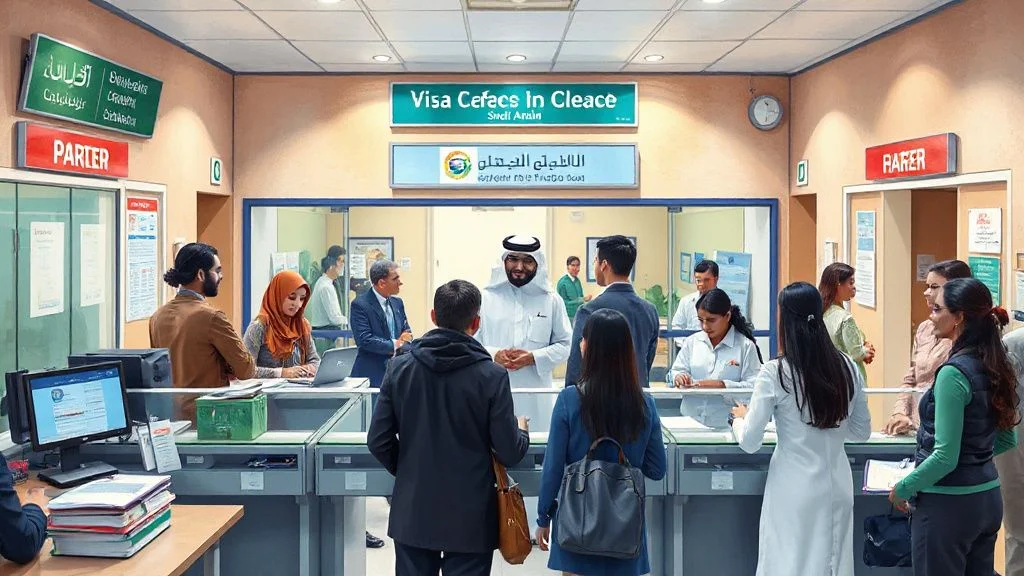
Relocating to Saudi Arabia for work involves several administrative steps, one of which is obtaining professional accreditation. This process is crucial for expats seeking employment in various fields, particularly those requiring specific qualifications. In this article, we will explore where to file your professional accreditation before applying for a work visa, detailing the necessary steps, associated fees, and tips for a smooth application process.
What can we help you with?
Three short questions, then just how to reach you. No account needed.
Understanding Professional Accreditation in Saudi Arabia
Professional accreditation is a formal recognition of an individual's qualifications and skills, essential for securing a work visa in Saudi Arabia. This process typically involves verifying your educational credentials and professional experience to ensure they meet the standards set by the Saudi Ministry of Human Resources and Social Development.
For many professions, especially in sectors like engineering, healthcare, and education, obtaining accreditation is a prerequisite for visa issuance. The accreditation process varies depending on your occupation and the specific requirements of the Saudi authorities.
Where to File Your Professional Accreditation
In Saudi Arabia, professional accreditation is primarily handled through the Qualification Verification Program (QVP). This program is designed to authenticate your educational and professional qualifications. To initiate this process, you will need to file your accreditation with the relevant authorities, which typically include:
- Saudi Ministry of Education: This ministry oversees the verification of educational credentials. You will need to submit your degree certificates and transcripts for evaluation.
- Saudi Ministry of Human Resources and Social Development: This ministry manages the overall accreditation process for various professions. Depending on your field, you may need to provide additional documentation, such as proof of work experience or professional licenses.
To file your professional accreditation, you can visit designated centers or use online platforms provided by these ministries. It is advisable to check the specific requirements for your profession on the official websites or consult with your employer's HR department for guidance.
Required Documents for Professional Accreditation
When filing for professional accreditation, you will need to prepare several documents to support your application. These typically include:
- Your original degree certificates and transcripts, which must be translated into Arabic if they are in another language.
- A copy of your passport and iqama (residence permit).
- Proof of relevant work experience, such as employment letters or reference letters from previous employers.
- Any professional licenses or certifications that may be required for your specific field.
Ensure that all documents are complete and accurate, as any discrepancies can lead to delays or rejection of your application.
Processing Times and Fees
The processing time for professional accreditation can vary significantly based on the volume of applications and the specific requirements of your profession. Typically, you can expect the process to take anywhere from a few weeks to several months. It is essential to start this process early to avoid any delays in your work visa application.
As for fees, the costs associated with professional accreditation can also vary. While specific fees for the accreditation process are not publicly listed, you may incur costs for document translation, notarization, and any required attestations. It is advisable to consult with the relevant authorities or a visa service provider for the most accurate fee structure.
Common Reasons for Rejection and How to Avoid Them
Understanding the common pitfalls in the accreditation process can help you avoid unnecessary delays. Some frequent reasons for rejection include:
- Incomplete Documentation: Ensure that you provide all required documents in the correct format. Missing documents can lead to immediate rejection.
- Inaccurate Information: Double-check all personal information and ensure that your educational credentials match what is stated in your application.
- Failure to Meet Professional Standards: Some professions have specific requirements that must be met. Verify that your qualifications align with the standards set by the Saudi authorities.
To mitigate these risks, consider seeking assistance from a professional visa consultancy that specializes in Saudi immigration processes. They can provide valuable insights and help ensure that your application is complete and accurate.
Practical Tips for Expats
As you navigate the professional accreditation process, here are some practical tips to keep in mind:
- Start Early: Begin the accreditation process as soon as you receive your job offer. This will give you ample time to gather documents and address any issues that may arise.
- Stay Informed: Regulations and requirements can change. Regularly check the official websites of the Saudi ministries for the latest updates on accreditation processes.
- Network with Other Expats: Connecting with other expatriates in your field can provide insights and tips based on their experiences with the accreditation process.
Conclusion
Filing for professional accreditation before applying for a work visa in Saudi Arabia is a critical step for expats. By understanding where to file, what documents are required, and how to avoid common pitfalls, you can streamline your application process. Remember to stay informed and seek professional guidance if needed to ensure a successful transition to your new role in Saudi Arabia.
Primary Sources
Last updated: November 2026