Relocating to Saudi Arabia for work can be an exciting yet complex experience, especially when it comes to navigating the iqama system. The iqama, or residence permit, is essential for expatriates as it serves as your legal identification in the Kingdom. This article will guide you through the process of filing an iqama issue after entering Saudi Arabia on a work visa, including where to go, what documents you need, and practical tips to ensure a smooth experience.
What can we help you with?
Three short questions, then just how to reach you. No account needed.
Understanding the Iqama System
The iqama is a crucial document for expatriates in Saudi Arabia, as it allows you to live and work legally in the country. It is typically issued by the General Directorate of Passports (Jawazat) and is tied to your employment with a Saudi sponsor. The iqama must be renewed annually, and it is essential to keep it valid to avoid fines and legal issues.
Upon entering Saudi Arabia on a work visa, your employer is responsible for initiating the iqama application process. This process usually takes place within a few weeks of your arrival, but delays can occur. Understanding where and how to address any issues with your iqama is vital for expatriates.
Common Iqama Issues
Iqama issues can arise for various reasons, including:
- Delayed Issuance: Sometimes, the iqama may not be issued within the expected timeframe.
- Incorrect Information: Errors in personal details, such as your name or nationality, can lead to complications.
- Expiry: Failing to renew your iqama on time can result in fines and legal trouble.
- Lost or Stolen Iqama: If your iqama is lost or stolen, you must report it immediately.
Each of these issues requires a different approach for resolution, and knowing where to file your concerns is crucial.
Where to File an Iqama Issue
1. General Directorate of Passports (Jawazat)
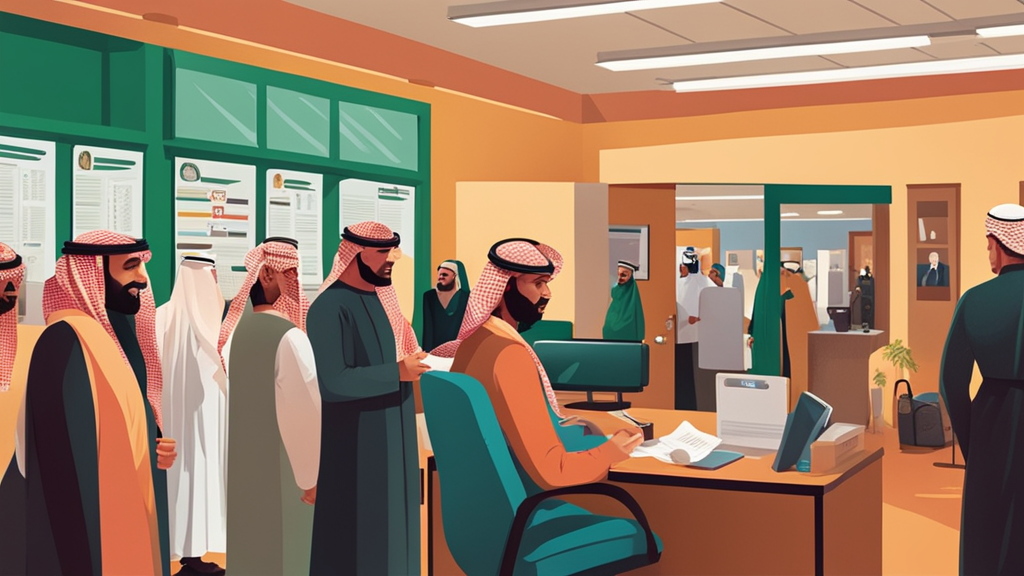
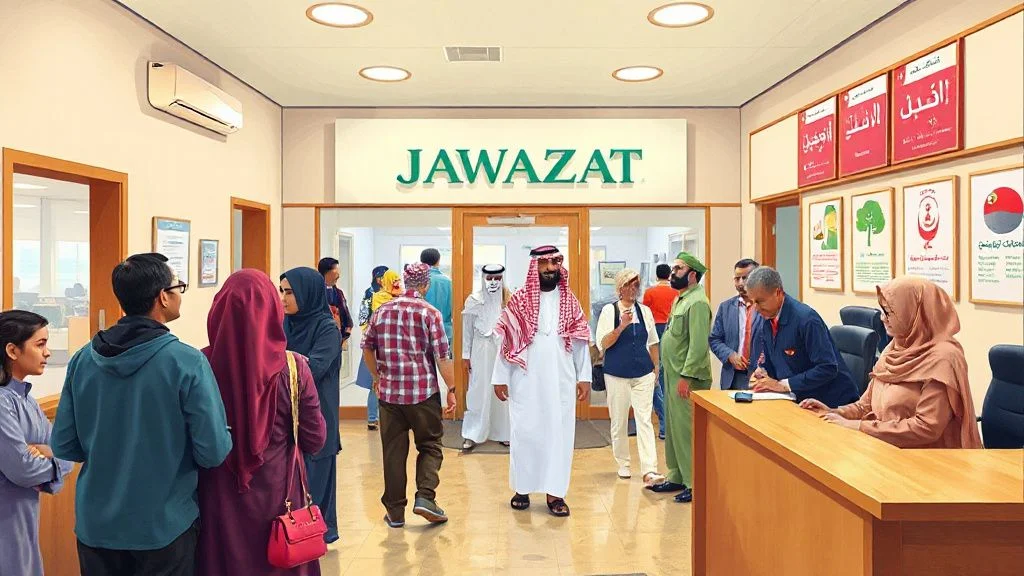
The primary authority for iqama-related issues is the General Directorate of Passports (Jawazat). If you encounter any problems with your iqama, your first point of contact should be the nearest Jawazat office. Here’s how to proceed:
- Locate Your Nearest Jawazat Office: You can find the nearest Jawazat office by visiting the official Ministry of Interior website or using the Absher app.
- Gather Required Documents: Bring your original passport, a copy of your work visa, and any documents related to your iqama issue (e.g., previous iqama, employment contract).
- Visit During Working Hours: Jawazat offices typically operate from Sunday to Thursday, 7:30 AM to 4:00 PM. It’s advisable to arrive early to avoid long queues.
At the Jawazat office, you will need to fill out a form detailing your issue. The staff will guide you through the process and inform you of any additional steps you may need to take.
2. Absher Platform
Absher is an online platform provided by the Saudi government that allows residents to manage various services, including iqama-related issues. Here’s how to use it:
- Create an Account: If you haven’t already, register for an Absher account. You will need your iqama number and other personal details.
- Access Services: Once logged in, navigate to the “Passports” section to find services related to iqama issues.
- Submit Requests: You can submit requests for iqama renewals, corrections, or to report a lost iqama directly through the platform.
Using Absher can save you time and allow you to track the status of your requests online. However, for urgent issues or complex cases, visiting a Jawazat office may still be necessary.
Steps to Resolve Common Iqama Issues
Delayed Issuance
If your iqama has not been issued within the expected timeframe, follow these steps:
- Contact your employer to ensure they have submitted all necessary documents to Jawazat.
- Visit the Jawazat office to inquire about the status of your iqama application.
- If there are delays, ask for specific reasons and what additional information may be required.
Incorrect Information
In case of incorrect information on your iqama:
- Gather documents that prove the correct information (e.g., passport, birth certificate).
- Visit the Jawazat office and explain the issue to the staff.
- Fill out the required forms to request a correction.
Expired Iqama
To avoid fines for an expired iqama:
- Check the expiration date regularly, ideally a month before it expires.
- Contact your employer to initiate the renewal process.
- Visit Jawazat or use Absher to complete the renewal application.
Lost or Stolen Iqama
If your iqama is lost or stolen, it’s crucial to act quickly:
- Report the loss to the police and obtain a report.
- Visit the Jawazat office with your police report, passport, and any other required documents.
- Request a replacement iqama and follow the instructions provided by the staff.
Practical Tips for Expatriates
1. Keep Copies of Important Documents
Always keep photocopies of your iqama, passport, and any other important documents. This can expedite the process if you encounter issues.
2. Use the Absher App Regularly
The Absher app is a valuable tool for managing your iqama and other services. Regularly check for updates and notifications related to your residency status.
3. Communicate with Your Employer
Maintain open communication with your employer regarding your iqama status. They are responsible for many aspects of the iqama process, including renewals and corrections.
4. Be Aware of Fees
Be mindful of potential fees associated with iqama issues. For example, if you need to renew your iqama late, you may incur fines. The typical iqama issuance fee is approximately SAR 500 (2026-10-21) per year (source: Visa Atlas, as of 2026-10-21).
Conclusion
Understanding where to file an iqama issue after entering Saudi Arabia on a work visa is essential for expatriates. By knowing the appropriate authorities to contact, the steps to take for various issues, and practical tips to manage your iqama effectively, you can navigate the complexities of living and working in Saudi Arabia with confidence. Always remember to verify information with official sources, as policies and procedures may change.