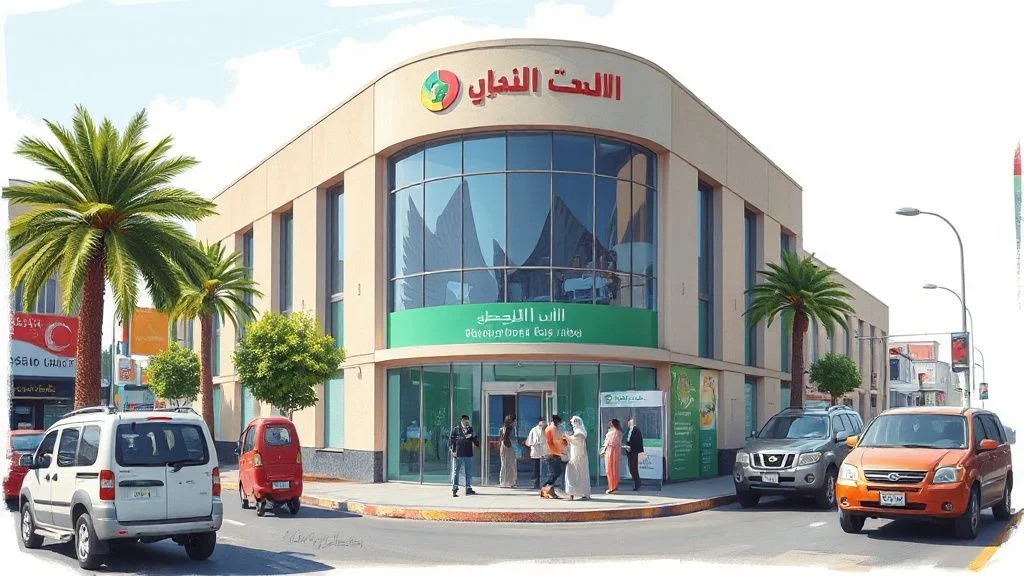
As an expatriate living in Saudi Arabia, particularly in cities like Riyadh or Jeddah, understanding the financial landscape is crucial for effective budgeting and financial planning. Al Rajhi Bank, one of the largest banks in the Kingdom, offers a variety of services and products tailored to meet the needs of both locals and expatriates. However, not all charges and fees associated with these services are transparently published. This article delves into the unpublished charges at Al Rajhi Bank, providing you with practical insights and tips to navigate your banking experience.
What can we help you with?
Three short questions, then just how to reach you. No account needed.
Understanding Al Rajhi Bank's Fee Structure
Al Rajhi Bank provides a comprehensive list of fees for its various products and services, which can be found on their official website. However, certain charges are not explicitly listed, making it essential for expatriates to be aware of potential hidden costs. Understanding these fees can help you avoid unexpected expenses and manage your finances more effectively.
Typically, the bank's published fees cover standard services such as account maintenance, cash withdrawals, and card issuance. For instance, the issuance of a mada card is free, while re-issuing a lost or damaged card incurs a fee of 10 SAR (as of February 20, 2026, source: Al Rajhi Bank). However, fees related to international transactions, overdrafts, and certain types of transfers may not be clearly outlined.
Common Unpublished Charges
International Transaction Fees
While Al Rajhi Bank does publish some fees related to international transactions, such as a 2% fee on international purchases, there are additional costs that may not be immediately apparent. For example, when using your card for international purchases, the bank may apply a currency conversion fee, which can vary based on the current exchange rate. This fee is often not disclosed upfront, leaving cardholders surprised when they see the final amount deducted from their account.
Moreover, if you withdraw cash from an ATM abroad, you may incur a fee of up to 3% of the transaction amount, with a maximum cap of 25 SAR (as of February 20, 2026, source: Al Rajhi Bank). This fee is in addition to any charges imposed by the ATM operator, which can further increase your costs. Therefore, it is advisable to verify the total fees associated with international transactions before making purchases or withdrawals.
Overdraft Fees
Overdraft facilities are often a useful financial tool, but they can come with hidden costs. Al Rajhi Bank does not explicitly publish its overdraft fees, which can lead to confusion for account holders. Typically, banks charge interest on the overdrawn amount, and this interest rate can vary. It is crucial to check with the bank directly to understand the terms and conditions associated with overdrafts, including any potential fees for exceeding your account balance.
For expatriates, managing an overdraft can be particularly challenging, especially if you are not familiar with the local banking practices. It is advisable to maintain a buffer in your account to avoid accidental overdrafts and the associated fees. Additionally, consider setting up alerts for low balances to stay informed and avoid unnecessary charges.
Transfer Fees and Charges
Domestic Transfers
When transferring money domestically within Saudi Arabia, Al Rajhi Bank offers competitive rates. However, certain fees may not be clearly stated. For instance, while the bank charges a nominal fee for domestic transfers, there may be additional costs for urgent transfers or for transferring amounts above a certain threshold. For transactions exceeding 20,000 SAR (as of February 20, 2026, source: Al Rajhi Bank), the fees can vary significantly based on the method of transfer (branch vs. electronic).
For expatriates sending money home, it is essential to factor in these potential costs. Additionally, consider using online transfer services that may offer better rates and lower fees compared to traditional bank transfers. Always compare the total costs, including any hidden fees, before making a decision.
International Transfers
International money transfers can be particularly costly if you are not aware of the fees involved. Al Rajhi Bank charges a fee of 75 SAR for outbound international transfers (as of February 20, 2026, source: Al Rajhi Bank). However, additional fees may apply based on the destination country and the amount being transferred. These fees can include intermediary bank charges, which are often not disclosed until after the transaction is initiated.
To minimize costs, consider using online platforms that specialize in international money transfers. These services often provide more competitive rates and lower fees compared to traditional banks. Always read the fine print and understand the total cost before proceeding with a transfer.
Practical Tips for Managing Banking Fees
Stay Informed
One of the best ways to avoid unexpected charges is to stay informed about your bank's fee structure. Regularly check Al Rajhi Bank's official website for updates on fees and charges. Additionally, consider subscribing to their newsletters or alerts to receive timely information about any changes in fees or new services that may benefit you.
Engaging with customer service representatives can also provide clarity on any charges that are not published. Don't hesitate to ask specific questions about fees related to your banking activities. Understanding the fee structure will empower you to make informed financial decisions.
Utilize Online Banking Tools
Al Rajhi Bank offers a range of online banking tools that can help you manage your finances more effectively. Use these tools to monitor your account activity, track your spending, and set up alerts for low balances or unusual transactions. By staying on top of your finances, you can avoid overdrafts and unnecessary fees.
Additionally, consider using budgeting apps that can sync with your bank account to help you manage your expenses. These tools can provide insights into your spending habits and help you identify areas where you can cut costs.
What Expats Should Know
As an expatriate in Saudi Arabia, navigating the banking system can be challenging. Understanding the unpublished charges at Al Rajhi Bank is crucial for effective financial management. Always verify any fees that may not be clearly stated, especially for international transactions, overdrafts, and transfers.
Moreover, consider establishing a good relationship with your bank. Regular communication with your bank can lead to better service and potentially lower fees. If you frequently use certain services, inquire about any loyalty programs or discounts that may apply to you.
Conclusion
In summary, while Al Rajhi Bank provides a range of services for expatriates, it is essential to be aware of the unpublished charges that may affect your banking experience. By understanding these fees and utilizing practical tips for managing your finances, you can navigate the banking landscape in Saudi Arabia more effectively. Stay informed, utilize online tools, and maintain open communication with your bank to ensure a smooth financial journey in your new home.
Primary Sources
Last updated: November 2026