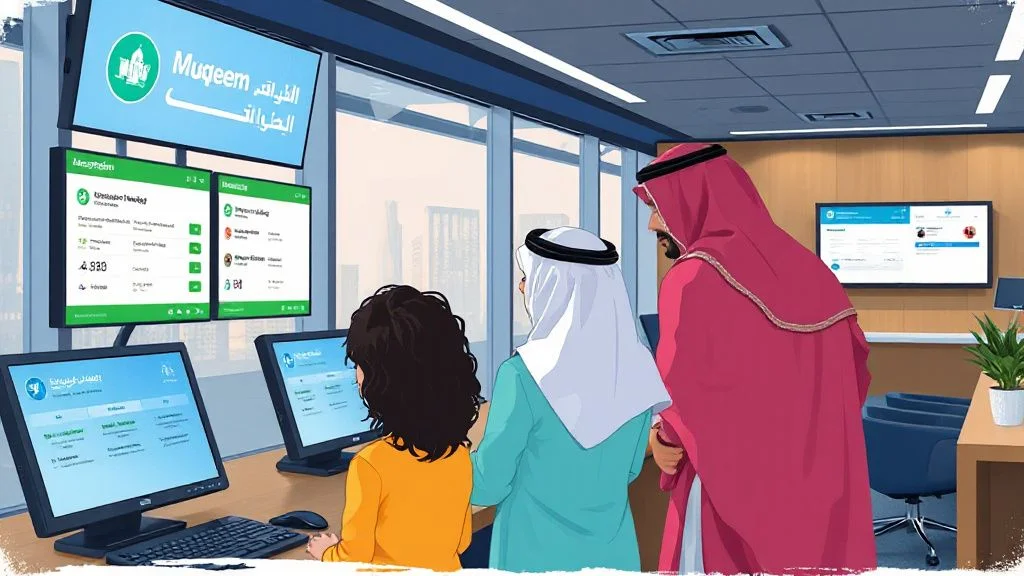
Relocating to Saudi Arabia can be an exciting yet complex process, especially when it comes to bringing family members along. One of the critical aspects of this journey is understanding the financial responsibilities associated with obtaining dependent visas for your spouse and children. This article will provide comprehensive insights into who pays for these visas, the associated costs, and practical advice to navigate the process smoothly.
What can we help you with?
Three short questions, then just how to reach you. No account needed.
Understanding Dependent Visas in Saudi Arabia
In Saudi Arabia, expatriates can sponsor their family members for dependent visas, allowing spouses and children to live in the country. The dependent visa system is part of the iqama (residency permit) framework, which has undergone changes in recent years, including the abolition of the kafala sponsorship system in October 2025. However, the implementation of these changes is still being monitored, and the iqama system remains in effect for many expatriates.
To sponsor a spouse or children, the primary visa holder (the expatriate) must fulfill specific criteria, including having a valid iqama, a stable income, and adequate housing. The dependent visa process typically involves submitting various documents, including marriage certificates, birth certificates, and proof of income, to the relevant authorities.
Who is Responsible for Visa Fees?
The responsibility for paying the dependent visa fees falls primarily on the expatriate sponsor. This means that if you are an expatriate living in Saudi Arabia and wish to bring your spouse and children, you will be the one to cover the associated costs. This includes not only the initial visa application fees but also ongoing fees related to the iqama and other administrative processes.
This is worth setting against what the law does cover, because the contrast explains it. Article 40 of the Labour Law places the fees for issuing and renewing the WORKER'S own iqama and work permit on the employer, together with the fines for any delay, a change of profession, exit and re-entry visas and the return ticket home. It says nothing at all about dependants. That silence is why the family side falls to you, and why it is the part of a relocation budget most often underestimated. Two charges apply:
- A one-off charge per dependant before the visa is issued. No amount is quoted here: no government source could be reached to confirm the current figure, and the sums circulating in relocation guides are not traceable to one. The amount that applies to your family appears on the payment screen in Absher, which is the figure to budget from.
- A recurring monthly levy for each accompanying family member. This is the one that reshapes a budget, because it is charged for the whole validity period of the iqama rather than month by month, so it arrives as a single large payment at renewal. For a family of four it is normally the largest annual item. Again no figure is given, for the same reason; take it from Absher before the renewal falls due rather than from a guide.
Breakdown of Costs
When planning to bring your spouse and children to Saudi Arabia, it is crucial to understand the financial implications. Here’s a detailed breakdown of the costs involved:
1. Initial Visa Application Fees
As mentioned earlier, the labor importation fee is SAR 500 (2026-10-21) per dependent. This fee is paid at the time of application and is a prerequisite for obtaining the dependent visa.
2. Monthly Dependent Fees
Once your dependents arrive in Saudi Arabia, you will be responsible for the monthly dependent fee of SAR 200 (2026-10-21) per dependent. This fee is typically collected through the SADAD payment system, which allows you to manage payments through your Saudi bank account.
3. Additional Costs
In addition to the fees mentioned above, there may be other costs associated with the visa process, including:
- Translation fees for documents such as marriage and birth certificates, which must be submitted in Arabic.
- Medical examination fees for dependents, which may be required as part of the visa application process.
- Travel expenses for bringing your family to Saudi Arabia.
Application Process for Dependent Visas
The application process for dependent visas can seem daunting, but understanding the steps involved can help simplify the experience. Here’s a step-by-step guide:
Step 1: Gather Required Documents
Before applying for a dependent visa, ensure you have all necessary documents ready. This typically includes:
- Valid iqama of the expatriate sponsor.
- Marriage certificate (translated into Arabic).
- Birth certificates for children (translated into Arabic).
- Proof of income, such as salary slips or bank statements.
- Housing documentation, such as a rental agreement or property ownership papers.
Step 2: Submit Application at Istiqdam
Once you have gathered the necessary documents, visit the nearest Istiqdam office to submit your application. It is advisable to make an appointment in advance to avoid long waiting times. During your visit, you will need to pay the labor importation fee and submit all required documentation.
Step 3: Pay Dependent Fees
After your application is approved, you will be required to pay the dependent fees through the SADAD payment system. Ensure that you keep a record of these payments, as they will be necessary for future iqama renewals.
Step 4: Receive Dependent Visas
Upon successful completion of the application process and payment of fees, you will receive the dependent visas for your spouse and children. Ensure that you keep these documents safe, as they will be required for their residency permits (iqama) once they arrive in Saudi Arabia.
Common Reasons for Visa Rejections
While many applications for dependent visas are successful, there are common pitfalls that can lead to rejections. Being aware of these can help you avoid unnecessary delays:
- Incomplete Documentation: Ensure that all required documents are submitted in full and translated into Arabic where necessary.
- Insufficient Income: The authorities may require proof of sufficient income to support your dependents, so be prepared to provide detailed financial documentation.
- Housing Issues: Ensure that your housing meets the requirements set by the Saudi authorities for the number of dependents you wish to sponsor.
Practical Tips for Expats
Successfully navigating the dependent visa process can be challenging, but here are some practical tips to help you along the way:
- Start Early: Begin the application process as soon as possible to avoid delays. The documentation and approval process can take time.
- Stay Informed: Regulations and fees can change, so regularly check official sources or consult with your employer’s HR department for the latest information.
- Utilize Online Resources: Many expatriate forums and online communities can provide valuable insights and experiences from others who have gone through the process.
- Keep Records: Maintain copies of all documents submitted and payments made, as these will be essential for future applications or renewals.
Conclusion
Bringing your spouse and children to Saudi Arabia on dependent visas involves several financial responsibilities and procedural steps. As the expatriate sponsor, you will be responsible for paying the labor importation fee and the monthly dependent fees. By understanding the costs, preparing the necessary documentation, and following the application process diligently, you can ensure a smoother transition for your family. Always stay informed about the latest regulations and seek assistance when needed to make the process as efficient as possible.
Primary Sources
Last updated: November 2026