Understanding the details of lease agreements in Saudi Arabia, particularly in the Eastern Province, can be a complex task for expatriates. One of the most important aspects to clarify is who pays the utility bills when renting a flat. This article will explore the common practices surrounding utility payments, the responsibilities of landlords and tenants, and the implications of the iqama system for expatriates.
What can we help you with?
Three short questions, then just how to reach you. No account needed.
Understanding Lease Agreements in Saudi Arabia
In Saudi Arabia, lease agreements are typically governed by regulations set forth by the Real Estate General Authority (REGA). The most common type of rental agreement is registered through the Ejar system, which mandates that all leases be digitally recorded to be enforceable. This system ensures transparency in rental dealings and provides a legal framework for both landlords and tenants.
Most leases in the Eastern Province last for a standard term of one year and include clauses about payments, maintenance responsibilities, and utility services. However, the specifics about who pays the utility bills can vary significantly and should be clarified before signing any lease agreement.
Who Pays the Utility Bills?
In general, utility bills in Saudi Arabia, which include electricity, water, and sometimes internet or gas, are the responsibility of the tenant. This arrangement is quite standard across most rentals in the Eastern Province. Typically, tenants are required to set up accounts with local utility providers, such as the Saudi Electricity Company for electricity and the National Water Company for water services. However, there are exceptions based on the type of rental agreement.
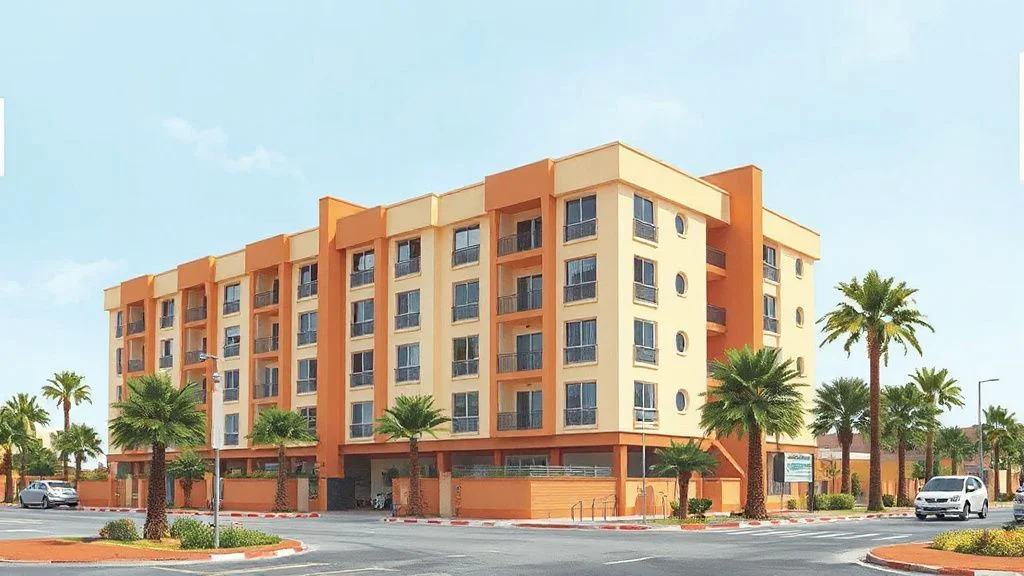
For serviced apartments, which are often preferred by expatriates, utilities may be included in the rental price. These apartments typically come fully furnished and may include additional services such as cleaning and internet access. This arrangement can simplify budgeting for newcomers who may not be familiar with the local utility costs.
Setting Up Utility Accounts
If you are renting a flat where you are responsible for utility payments, you will need to set up accounts with the relevant providers. This process usually requires your iqama and may involve additional documentation. Ensure that your appliances are compatible with the local power supply.
Average Utility Costs in the Eastern Province
While exact figures can vary based on usage and provider, it’s helpful to have a rough idea of what to expect. Utility costs can fluctuate based on personal habits, seasonal demands, and the efficiency of the building’s systems. It’s advisable to ask previous tenants about their utility expenses to get a more accurate picture.
Understanding the Iqama System
As an expatriate living in Saudi Arabia, your iqama (residency permit) plays a crucial role in managing your lease and utility accounts. Most utility providers require the iqama for account registration, which makes it essential to have your residency status sorted out before securing a rental agreement. Ensure that your iqama is valid for the duration of your lease to avoid complications with utility services.
Negotiating Lease Terms
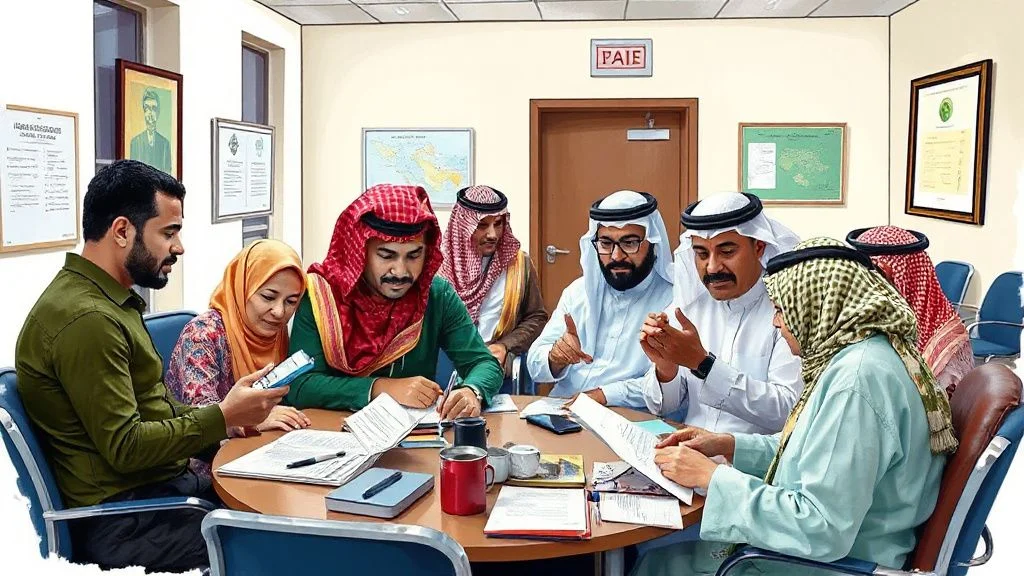
When negotiating lease terms, it’s vital to clarify who is responsible for utility payments. Some landlords may include utilities in the rental price, particularly for furnished apartments or serviced accommodations. If the lease does not specify who pays the utilities, ensure this is discussed and documented before signing. It's common for expatriates to negotiate these terms, especially if they are new to the region and unsure of the utility costs.
In addition to utility payments, consider discussing the inclusion of maintenance responsibilities in the lease. Landlords often cover structural repairs, but tenants may be responsible for minor maintenance or issues arising from their usage. Having clear agreements can prevent disputes later on.
Practical Tips for Expats
- Research Utility Providers: Familiarize yourself with local utility providers and their services before moving in.
- Document Everything: Take photos of the property upon moving in and document the condition of utilities to avoid disputes regarding the security deposit when you move out.
- Ask for Recommendations: Other expatriates can be a valuable resource for learning about reasonable utility costs and reliable providers.
- Consider Serviced Apartments: If you want to avoid the hassle of setting up utility accounts, consider renting a serviced apartment where utilities are included.
Conclusion
Understanding who pays the bills under a lease on a flat in the Eastern Province is crucial for expatriates navigating the local rental market. Typically, tenants are responsible for utility payments unless otherwise negotiated in the lease. By clarifying these responsibilities upfront and leveraging local resources, expats can ensure a smooth transition into their new homes in Saudi Arabia.
Primary Sources
Last updated: November 2026