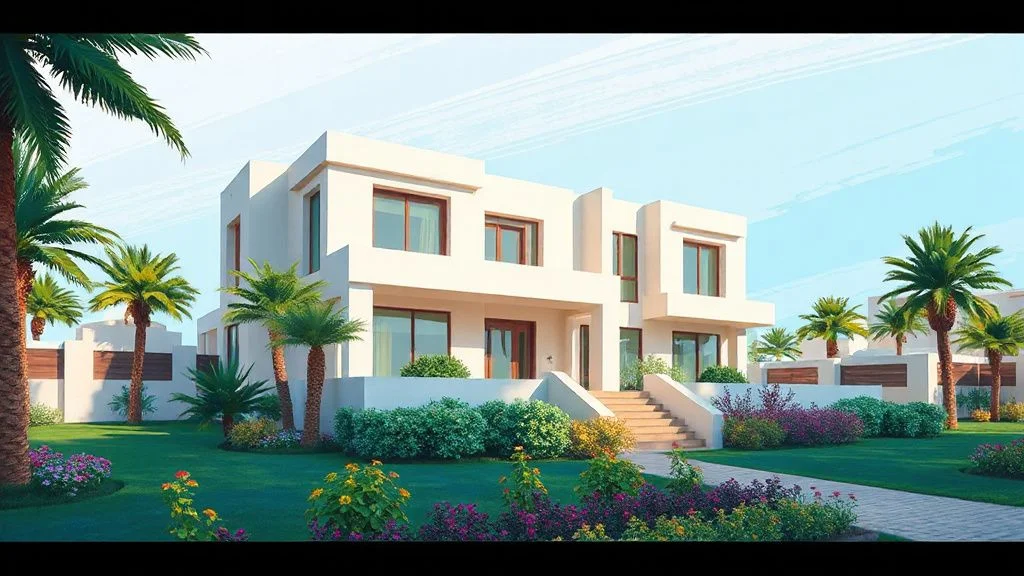
Relocating to Jeddah can be an exciting adventure, especially when it comes to finding your new home. However, understanding the nuances of villa leases, including who pays the bills, is crucial for ensuring a smooth transition. This article delves into the responsibilities associated with villa leases in Jeddah, outlining what expats should expect regarding utility payments, maintenance costs, and the overall rental process.
What can we help you with?
Three short questions, then just how to reach you. No account needed.
Understanding Villa Leases in Jeddah
In Saudi Arabia, particularly in Jeddah, villas are often the preferred choice for families seeking more space and a comfortable living environment. A villa typically offers a larger living area than apartments, with multiple bedrooms and outdoor spaces. However, with this added space comes additional responsibilities and potential costs.
When signing a lease for a villa in Jeddah, it’s essential to understand the structure of your rental agreement and what it entails. Leases in Saudi Arabia are generally documented through the Ejar platform, which is the official government system for registering rental contracts. This registration is important as it provides legal protection for both tenants and landlords.
Key Components of a Villa Lease
A typical villa lease will outline various responsibilities, including:
- Rental amount and payment schedule
- Duration of the lease
- Responsibilities for utility payments
- Maintenance obligations
- Conditions for lease termination and renewal
Before signing any lease, ensure that all details are clearly articulated. This includes understanding who is responsible for paying utility bills such as electricity, water, and internet services.
Utility Payments: Who Covers the Costs?
In most cases, utility payments are the responsibility of the tenant. This includes:
- Electricity: Electricity costs in Saudi Arabia can be significant, especially during the hot summer months when air conditioning is essential. The costs can vary depending on usage and the size of the villa.
- Water: Water bills are also a recurring expense. While typically less expensive than electricity, you should expect monthly water charges to vary based on usage.
- Internet: Internet services are typically set up in the tenant's name. Monthly packages can vary based on the speed and type of service selected.
It's important to confirm with your landlord whether these utilities are included in your lease or if you will be solely responsible for them. Some landlords may include certain utilities in the rent, but this is less common.
Maintenance Responsibilities
Another crucial aspect of villa leases is maintenance. The responsibilities for maintenance can vary, and it is advisable to clarify this with your landlord. This can include:
- Minor Repairs: Tenants usually take care of small repairs, such as changing light bulbs, fixing leaky faucets, or maintaining appliances that may have been provided with the villa.
- Major Repairs: Landlords are generally responsible for significant repairs like plumbing issues, air conditioning failures, or structural problems. Always clarify this in your lease, as it can impact your living experience.
Before moving in, it is advisable to conduct a thorough inspection of the villa and document any pre-existing issues. This ensures you are not held responsible for damages that were present before your tenancy began.
Negotiating Lease Terms
As an expat, negotiating the lease terms can be a vital part of the renting process. When discussing the lease with the landlord, consider asking for the following:
- Payment Schedule: While many landlords prefer annual payments, you may negotiate for semi-annual or quarterly payments. This can alleviate the upfront financial burden and make budgeting easier.
- Included Utilities: Inquire about which utilities, if any, are included in the rent. If the landlord is willing to cover certain bills, this could save you money.
- Maintenance Clauses: Discuss who will handle specific maintenance tasks. If the landlord is responsible for major repairs, ensure this is clearly stated in the lease.
Negotiating these terms before signing is crucial, as it can lead to a more comfortable living experience. Many landlords expect some degree of negotiation, so don’t hesitate to advocate for your needs.
Practical Tips for New Expats
As you navigate the rental market in Jeddah, here are some practical tips to ensure a smoother experience:
- Research the Area: Familiarize yourself with different neighborhoods in Jeddah. Popular districts among expats include Al Hamra, Al Rawdah, and Al Andalus, each offering unique amenities and community vibes.
- Use Local Platforms: Leverage local property rental websites like Property Finder and Aqar to find suitable villas. These platforms often have detailed listings that can help you compare options effectively.
- Join Expat Communities: Engage with expat groups on social media platforms. These communities can be invaluable for sharing experiences, recommendations, and tips on finding the right villa.
- Understand Cultural Norms: Saudi culture places a significant emphasis on hospitality and respect. When meeting landlords or agents, approach negotiations politely and respectfully.
- Plan for Additional Costs: Beyond the rent, budget for utilities, internet, and any potential maintenance fees. This foresight will prevent financial strain once you move in.
Conclusion
Understanding who pays the bills under a villa lease in Jeddah is essential for expats looking to establish a comfortable home. Typically, tenants are responsible for utility payments, while maintenance obligations can vary between landlords and tenants. By negotiating favorable lease terms and being aware of your responsibilities, you can enjoy a smooth transition into your new life in Jeddah. Remember, being informed and proactive in your approach will make all the difference as you settle into your new home.