
This guide was synthesized using the latest legislative data and verified by our editorial board. Laws are subject to change; always consult official sources for final confirmation.
Relocating to Saudi Arabia, especially for professionals on employer-sponsored contracts, raises numerous questions. One of the most pressing concerns is whether it’s feasible to live comfortably in the Kingdom without speaking Arabic. This article explores the realities of daily life in Saudi Arabia, the prevalence of English in various sectors, and practical tips for navigating the cultural landscape as a non-Arabic speaker.
What can we help you with?
Three short questions, then just how to reach you. No account needed.
The Language Landscape in Saudi Arabia
Arabic is the official language of Saudi Arabia, and it is deeply embedded in the culture and daily interactions of the population. However, English is widely used, particularly in major cities like Riyadh and Jeddah. Many expatriates find that they can navigate their daily lives without knowing Arabic, as English is commonly spoken in various sectors, including business, healthcare, and education.
In urban areas, especially in expat communities, English proficiency is often high among locals. Many shopkeepers, restaurant staff, and professionals in service-oriented industries are accustomed to interacting with non-Arabic speakers. This accessibility can make the transition smoother for expatriates. However, it’s important to note that while English is prevalent, it’s still beneficial to learn basic Arabic phrases to enhance your experience and foster deeper connections with locals.
Daily Life Without Arabic
Shopping and Dining
In larger cities, shopping and dining can be comfortably managed in English. Supermarkets and international chains often employ staff who speak English, and product labels typically feature English translations. Most restaurants in city centers offer menus in English, with some even providing images of dishes to aid understanding. This can ease the dining experience, allowing you to explore local cuisine without the language barrier being a major hurdle.
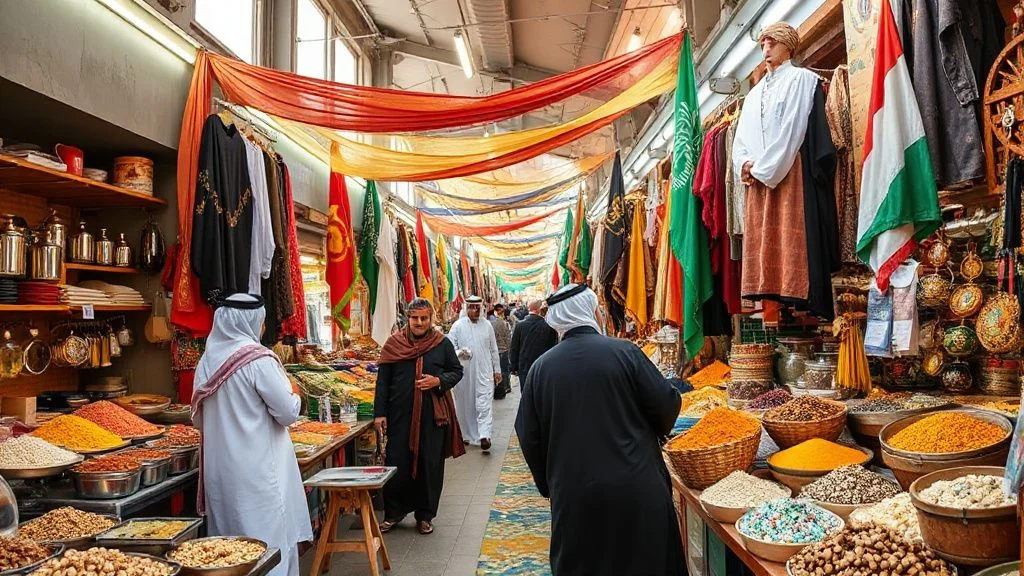
For example, while visiting local markets or smaller shops, you may encounter staff who speak limited English. In these situations, using simple gestures or showing pictures on your phone can help convey your needs. Additionally, using translation apps can bridge the gap when English isn’t spoken, making transactions smoother and more enjoyable.
Transportation and Navigation
Public transportation in Saudi Arabia, particularly in Riyadh, has undergone significant improvements with the introduction of the Riyadh Metro, which began operating in December 2024. The metro system features signs and announcements in both Arabic and English, making it easy for non-Arabic speakers to navigate the city. Ride-sharing services are also widely available, and drivers usually understand basic English, further simplifying your travel experience.
However, when venturing outside major urban centers, English-speaking capabilities may decrease. In such cases, having a local SIM card with internet access can enable you to use navigation apps, which can assist in finding your way and communicating with drivers, ensuring you can still explore the country without fluency in Arabic.
Work Environment
For expatriates working in multinational companies or industries targeting the international market, English is often the primary language of communication. Many organizations conduct meetings, training sessions, and correspondence in English, which allows non-Arabic speakers to thrive professionally. This environment is particularly evident in sectors such as oil and gas, finance, and technology, where global integration requires a strong command of English.
However, in more localized or government-related roles, proficiency in Arabic may be advantageous. Understanding key phrases or industry-specific terminology can enhance your effectiveness and demonstrate respect for the local culture. Many companies provide language training programs to help employees bridge this gap, which can be a valuable resource if you wish to improve your language skills over time.
Social Interactions and Community Engagement
Building Relationships
While it is possible to live without Arabic, developing friendships and social networks may be more challenging. Many expatriates find that joining social clubs, community organizations, or local interest groups can facilitate connections with others. Events hosted by international organizations or expat communities often offer opportunities to meet people who speak English, making it easier to establish friendships.
However, when interacting with locals, a basic understanding of Arabic greetings or phrases can go a long way. Simple phrases like “Salam” (Hello) or “Shukran” (Thank you) can help you create rapport and demonstrate appreciation for the culture. Many Saudis respect foreign nationals who make the effort to learn even a few words of Arabic, which can enhance your social interactions.
Cultural Festivals and Events
Saudi Arabia hosts numerous cultural festivals and events throughout the year, providing opportunities for expatriates to immerse themselves in the local culture. Events like Eid al-Fitr and Eid al-Adha are celebrated nationwide, and while they are rooted in Islamic traditions, many activities during these festivals are open to all residents. Attending such events allows non-Arabic speakers to experience the hospitality and warmth of Saudi culture firsthand.
Moreover, the country has seen a rise in cultural initiatives, including concerts, art exhibitions, and food festivals, especially since the announcement of Vision 2030. Engaging in these events often involves minimal language barriers, as they focus on shared experiences rather than linguistic fluency. Participating in these gatherings can provide a sense of community and belonging, enriching your expatriate experience.
Practical Tips for Expats
- Learn Basic Arabic: Even if you don’t become fluent, knowing key phrases can enhance your daily interactions and show respect for the local culture.
- Use Translation Apps: Download apps that can help translate text or speech, making communication easier in non-English speaking environments.
- Engage with Expat Communities: Join social groups or networks where you can meet fellow expatriates and locals who speak English, facilitating social integration.
- Explore English-Friendly Services: Seek out restaurants, shops, and services known for accommodating English speakers, especially in major cities.
- Participate in Cultural Events: Attend local festivals and events to immerse yourself in the culture and meet new people, regardless of language barriers.
Conclusion
In summary, while living in Saudi Arabia without speaking Arabic is entirely possible, the experience may vary based on your location and social interactions. Major cities like Riyadh and Jeddah offer ample opportunities for English speakers to thrive in their daily lives, both professionally and socially. However, making an effort to learn basic Arabic phrases can significantly enhance your interactions and help build connections with locals. Engaging with the community and participating in cultural events can further enrich your experience, allowing you to enjoy all that Saudi Arabia has to offer, even without fluency in the local language.
AI-Generated Content: This article was created with AI assistance and may contain inaccuracies. Please verify important information with official sources.