
This guide was synthesized using the latest legislative data and verified by our editorial board. Laws are subject to change; always consult official sources for final confirmation.
In Saudi Arabia, the dynamic interaction between South Asian expatriates and local Saudi communities is a significant aspect of daily life. With around 13.4 million foreign residents in the Kingdom, many of whom are from South Asian countries like India, Pakistan, Bangladesh, and Sri Lanka, understanding these interactions can help expatriates navigate their new lives effectively. This article delves into the cultural exchanges, social interactions, and economic ties that characterize daily life between South Asians and Saudis.
What can we help you with?
Three short questions, then just how to reach you. No account needed.
Historical Context of South Asian Migration
South Asian migration to Saudi Arabia has a long history, driven by the Kingdom's economic growth and demand for labor. The recruitment of workers from South Asia has led to their involvement in various roles across sectors such as construction, healthcare, and services. Over the decades, this relationship has evolved, with South Asians becoming integral to the Saudi economy and social fabric.
Today, South Asians contribute significantly to sectors such as healthcare, engineering, and hospitality. Cultural ties have deepened through festivals, food, and social gatherings, making daily interactions rich and diverse. For expatriates, understanding this historical context is crucial for fostering positive relationships with local communities.
Cultural Exchange and Day-to-Day Interactions
Festivals and Celebrations
Festivals play a vital role in fostering community spirit among South Asians in Saudi Arabia. Events such as Eid al-Fitr and Eid al-Adha are celebrated with great enthusiasm, bringing together both South Asians and Saudis. These occasions often involve communal prayers, family gatherings, and feasting. For instance, during Eid, it is common for families to exchange sweets and gifts, creating a sense of unity and shared joy.
Additionally, various cultural programs are organized to celebrate South Asian traditions, encouraging participation from Saudi nationals and promoting cultural understanding and respect. Expatriates are encouraged to invite local friends to these celebrations, fostering mutual appreciation.
Social Gatherings and Community Centers
Social gatherings are a cornerstone of interaction between South Asians and Saudis. Community centers often host cultural events, language classes, and sports activities, providing a platform for socialization and networking. These centers serve as hubs for South Asians to meet, share experiences, and build friendships, while also welcoming Saudi nationals interested in learning about different cultures.
Expatriates can benefit from participating in these gatherings, as they not only offer a chance to meet new people but also provide insights into Saudi customs and social etiquette. Engaging in local sports, such as cricket or football, can also be an effective way to bond with Saudi friends and strengthen community ties.
Workplace Interactions and Professional Relationships
Collaboration in Various Sectors
In the workplace, South Asians and Saudis collaborate in various fields, including healthcare, engineering, and education. Saudi companies often employ South Asian professionals for their expertise and skills. This collaboration is essential for the Kingdom's Vision 2030 initiative, which aims to diversify the economy and reduce dependence on oil.
Expatriates should be mindful of the cultural nuances in professional settings. For instance, building personal relationships is crucial in Saudi workplaces. Engaging in informal conversations over coffee or lunch can foster trust and pave the way for smoother collaboration. Additionally, understanding the importance of hierarchy in Saudi culture can help expatriates navigate workplace dynamics more effectively.
Language and Communication
Arabic is the official language of Saudi Arabia, while English is widely used in business and daily life. South Asians often communicate in English, which facilitates interactions with Saudis. However, learning basic Arabic phrases can significantly enhance social interactions and demonstrate respect for the local culture.
Common phrases, such as "Salam Alaikum" (peace be upon you) and "Shukran" (thank you), can make a positive impression and encourage friendly exchanges. Expatriates are encouraged to practice these phrases in everyday situations, whether at local markets or during community events, to foster goodwill.
Practical Tips for Daily Interactions
Understanding Cultural Norms
To navigate daily life successfully, expatriates should familiarize themselves with Saudi cultural norms. For instance, greetings often involve a handshake, but it is essential to wait for the Saudi counterpart to initiate, especially when interacting with women. Maintaining eye contact is also important, as it conveys respect and engagement.
Dress codes in Saudi Arabia are conservative. Men typically wear thobes, while women should wear abayas in public. Expatriates should adhere to these dress codes to avoid drawing unnecessary attention and to show respect for local customs.
Engaging with Local Markets
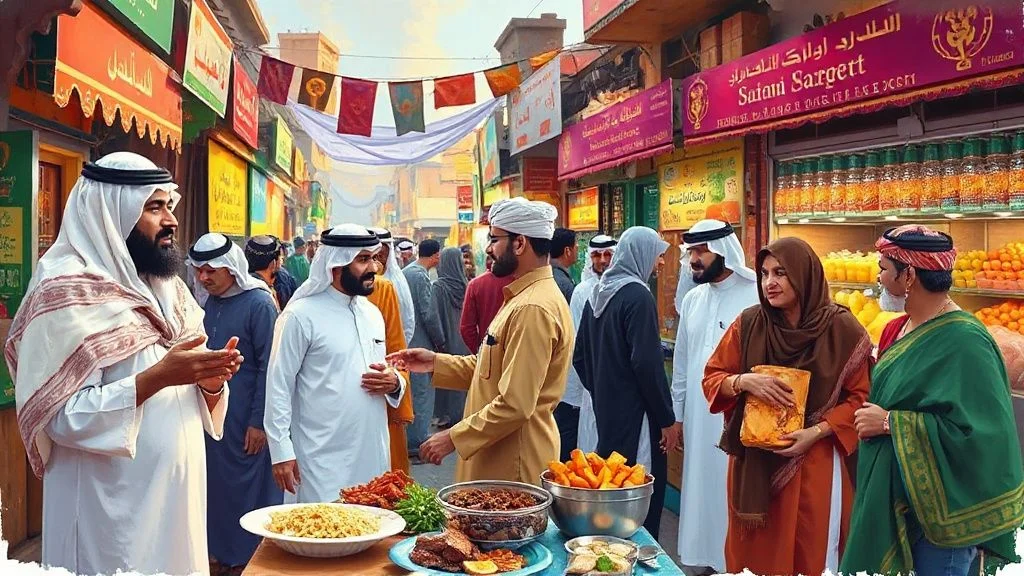
Local markets, or souks, offer an excellent opportunity for South Asians and Saudis to interact. Visiting these markets allows expatriates to experience Saudi culture firsthand while shopping for local produce, spices, and handicrafts. Bargaining is a common practice, and engaging in friendly negotiations can lead to positive exchanges with shopkeepers.
Expatriates should be open to trying traditional Saudi dishes, which can lead to conversations with locals about food preferences and cultural dishes. Sharing food experiences can further strengthen bonds and create lasting friendships.
Conclusion
The daily interactions between South Asian and Saudi communities are marked by a blend of cultural exchange, professional collaboration, and social engagement. Understanding the historical context and cultural norms can significantly enhance the expatriate experience in Saudi Arabia. By participating in community activities, embracing local customs, and fostering relationships, South Asians can build meaningful connections with their Saudi counterparts. These interactions not only enrich their lives but also contribute to the broader tapestry of multiculturalism in the Kingdom.
AI-Generated Content: This article was created with AI assistance and may contain inaccuracies. Please verify important information with official sources.