This guide was synthesized using the latest legislative data and verified by our editorial board. Laws are subject to change; always consult official sources for final confirmation.
Saudi Arabia boasts a wealth of cultural heritage that is both ancient and contemporary, making it an intriguing destination for researchers interested in history, art, and anthropology. This article explores the national archives and museums in Saudi Arabia, focusing on their significance, accessibility, and the resources they offer for researchers.
What can we help you with?
Three short questions, then just how to reach you. No account needed.
Understanding the Cultural Landscape
The Kingdom of Saudi Arabia is home to a diverse range of cultural institutions, reflecting its rich history that spans thousands of years. The country’s commitment to preserving its cultural heritage is evident through various initiatives, especially following the Vision 2030 plan aimed at diversifying the economy and promoting tourism. This includes significant investments in cultural preservation and promotion, which has led to the establishment of numerous national archives and museums.
As of our last update, there are over 115 institutions dedicated to cultural heritage in Saudi Arabia, each offering unique insights and resources for researchers. These institutions serve as repositories of historical documents, artifacts, and artworks that are pivotal for understanding Saudi history and culture.
Key National Archives in Saudi Arabia
National Cultural Archive
The National Cultural Archive, managed by the Ministry of Culture, is a critical resource for researchers interested in the cultural heritage of Saudi Arabia. This archive provides access to a vast collection of documents, manuscripts, and digital resources that detail the Kingdom's historical evolution and cultural diversity.
Researchers can utilize the National Cultural Archive to access essential documents related to various cultural practices, historical events, and significant figures in Saudi history. The archive also promotes digital archiving of cultural heritage, ensuring that these resources remain accessible to future generations. It is advisable to contact the archive directly for information on accessing specific collections and any necessary permissions required for research purposes.
King Abdulaziz Public Library
Located in Riyadh, the King Abdulaziz Public Library is another invaluable resource for researchers. This library houses a rich collection of historical books, manuscripts, and periodicals, along with a digital archive that offers a wealth of information on Saudi culture and history. It is particularly well-known for its extensive collection of Arabic literature and historical documents related to the Islamic world.
The library also organizes regular workshops and seminars that can be beneficial for researchers looking to delve deeper into specific cultural topics. Researchers are encouraged to explore the library's website or contact staff for information regarding access to special collections and upcoming events.
Prominent Museums in Saudi Arabia
National Museum of Saudi Arabia
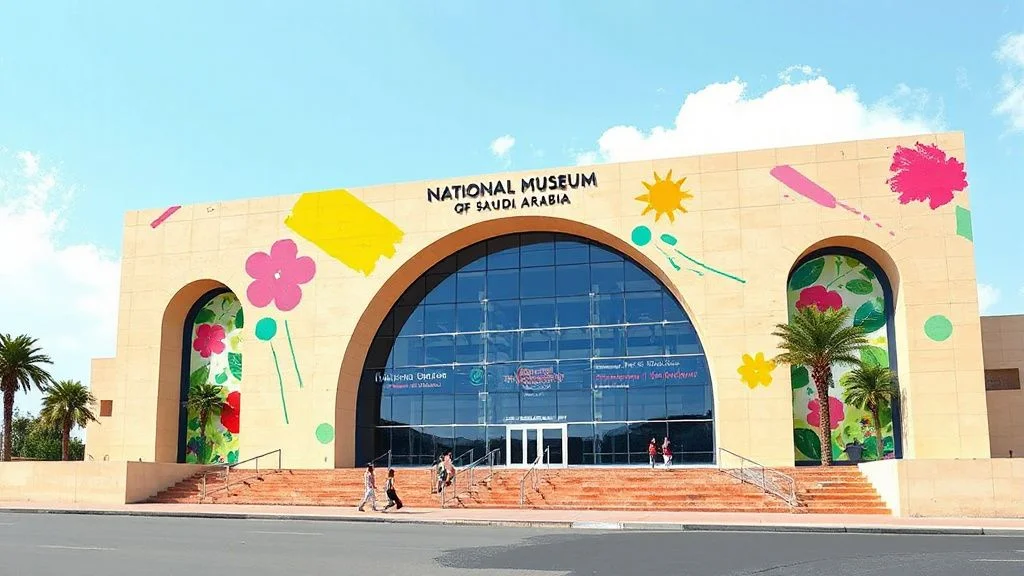
The National Museum of Saudi Arabia, located within the King Abdulaziz Historical Center in Riyadh, is a must-visit for researchers. The museum features eight halls that cover various aspects of Saudi history, including the prehistoric era, ancient Arab kingdoms, and Islamic history. The exhibits are well-curated and provide extensive contextual information that aids research.
For researchers, the museum offers guided tours and educational programs that can enrich understanding of specific themes. As of our last update, researchers can also inquire about access to the museum’s archives, which may include unpublished materials and documents related to its collections.
King Abdulaziz Center for World Culture (Ithra)
Located in Dhahran, the King Abdulaziz Center for World Culture, commonly referred to as Ithra, is a state-of-the-art facility that includes a museum, library, and research center. Ithra is dedicated to promoting Saudi culture and creativity through various exhibitions and programs that showcase both historical and contemporary aspects of Saudi life.
The center offers a wealth of resources for researchers, including access to archives that feature Saudi art, cultural artifacts, and multimedia presentations. Ithra also hosts conferences and workshops focused on cultural preservation and innovation, providing networking opportunities for researchers and practitioners in the field.
Regional Museums and Their Impact
Tayebat Museum
Situated in Jeddah, the Tayebat Museum offers a unique perspective on the cultural heritage of the Hejaz region, showcasing the diverse influences that have shaped the area over centuries. The museum features artifacts from various periods, including the Ottoman and Islamic eras, and is an excellent resource for researchers focusing on the Red Sea's cosmopolitan history.
Visitors can explore the museum's extensive collections that include traditional crafts, historical documents, and architectural pieces. Researchers are encouraged to contact museum staff for access to specific collections or to arrange guided tours that focus on particular research topics.
Al-Ahsa Archaeological Museum
The Al-Ahsa Archaeological Museum provides insights into the region's prehistoric and Islamic history. The museum houses artifacts from various archaeological sites in Al-Ahsa, including items from the Dilmun civilization and the Bronze Age. This museum is particularly valuable for researchers interested in early Arabian history and cultural exchanges in the region.
Research inquiries can be directed to the museum administration, which may offer access to additional resources or archives not displayed publicly. Engaging with local scholars or participating in museum events can further enhance research efforts.
Practical Tips for Researchers
Accessing Resources
Before visiting any archives or museums, researchers should prepare by identifying specific areas of interest and checking if appointments are necessary. Many institutions in Saudi Arabia require advance notice for research visits, particularly if access to special collections is needed.
Contacting museum or archive staff directly can provide clarity on available resources, visiting hours, and any fees associated with research activities. Additionally, researchers should be aware of cultural sensitivities and dress codes when visiting religious or significant cultural sites.
Networking and Collaboration
Saudi Arabia’s cultural landscape is rich with opportunities for collaboration. Engaging with local scholars, attending cultural events, and participating in workshops can provide valuable insights and potential partnerships for research projects. Many museums and cultural institutions also have outreach programs aimed at fostering international collaboration, making it easier for researchers to connect with local experts.
Conclusion
Saudi Arabia's national archives and museums offer a treasure trove of resources for researchers seeking to understand the Kingdom's rich cultural heritage. From the National Cultural Archive to the diverse array of museums, researchers have access to a wealth of information that is crucial for academic and cultural exploration. By navigating these institutions thoughtfully and engaging with local scholars, researchers can gain deeper insights into the Kingdom's history and cultural identity.
AI-Generated Content: This article was created with AI assistance and may contain inaccuracies. Please verify important information with official sources.