This guide was synthesized using the latest legislative data and verified by our editorial board. Laws are subject to change; always consult official sources for final confirmation.
Saudi Arabia's approach to time and punctuality in meetings is deeply influenced by its cultural and social fabric. For expatriates, understanding these nuances can significantly impact professional relationships and business success. This article delves into the cultural context surrounding time management in Saudi Arabia, how it differs from Western practices, and offers practical advice for navigating appointments and meetings effectively.
What can we help you with?
Three short questions, then just how to reach you. No account needed.
The Cultural Context of Time in Saudi Arabia
In Saudi Arabia, time is often perceived differently than in Western cultures. While punctuality is essential in professional settings, the approach to time can be more flexible in social contexts. Historically, Arab societies have valued interpersonal relationships over strict adherence to schedules; thus, meetings may not always start on time. This cultural backdrop means that while expatriates should strive to be punctual, they should also be prepared for potential delays.
Saudi Arabia is a predominantly Muslim country, and its social norms are deeply rooted in Islamic traditions. The concept of time is often intertwined with the values of hospitality and personal connection. This cultural context implies that time spent with friends or colleagues is considered valuable, and rushing through meetings may be seen as disrespectful. As a result, it is common for social gatherings and even business meetings to extend beyond their planned duration, reflecting the importance of relationship-building.
Punctuality Expectations in Professional Settings
In the business world, punctuality is significantly more valued, and being late can be perceived as a lack of respect for one's time. Business professionals are expected to arrive on time for meetings, especially when dealing with senior executives or government officials. In a professional context, showing up late may damage one's reputation or hinder future business opportunities. Understanding this duality—being flexible in social settings but punctual in business—is key for expatriates.
For example, if an expatriate is invited to a business meeting scheduled for 10:00 AM, arriving at or just before this time demonstrates professionalism and respect. However, it is advisable to remain patient if the meeting starts later than scheduled. This patience can help foster goodwill among Saudi colleagues, who may appreciate the understanding of cultural norms surrounding time.
Scheduling Meetings: The Role of Relationships
When it comes to arranging meetings, Saudi professionals often prioritize personal connections over formal scheduling. It is common to use messaging apps like WhatsApp for quick communication instead of email, allowing for immediate responses and a more informal approach to setting appointments. This method is particularly prevalent among younger professionals, who may see scheduled meetings as less flexible.
For expatriates, adapting to this communication style can enhance relationship-building. When initiating contact, consider sending a polite WhatsApp message introducing yourself and your purpose, perhaps followed by a voice note to personalize the interaction. For instance, if you are seeking a meeting to discuss a project, include a brief introduction of your role and how you came to know the recipient. This immediate personal touch can facilitate faster connections and establish rapport.
Socializing and Networking: Timing Matters
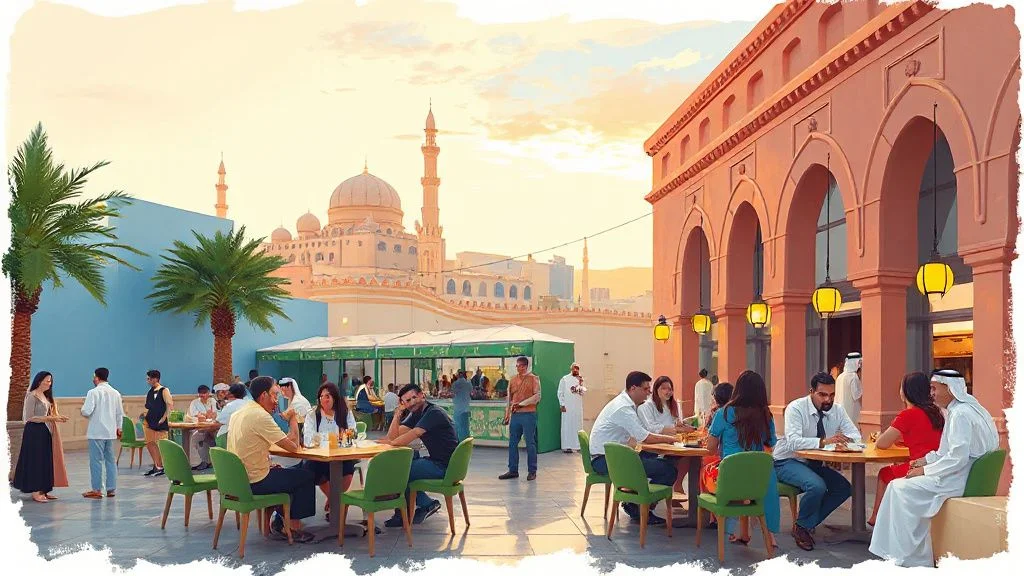
Networking in Saudi Arabia often occurs in casual settings, such as coffee shops or restaurants, and can happen later in the day. Unlike in many Western countries, where business meetings are typically held during standard working hours, Saudi professionals may prefer to meet after business hours, often around 8:00 PM or even later. This relaxed timing allows for more comfortable, open conversations, fostering stronger bonds between colleagues.
For expatriates, this means being flexible with evening appointments. If a Saudi colleague invites you for coffee or dinner, consider accepting the invitation, as it may lead to valuable discussions and relationship-building opportunities. Additionally, understanding that these social interactions can lead to future business collaborations is crucial for integration into the local business culture.
Public Holidays and Their Impact on Scheduling
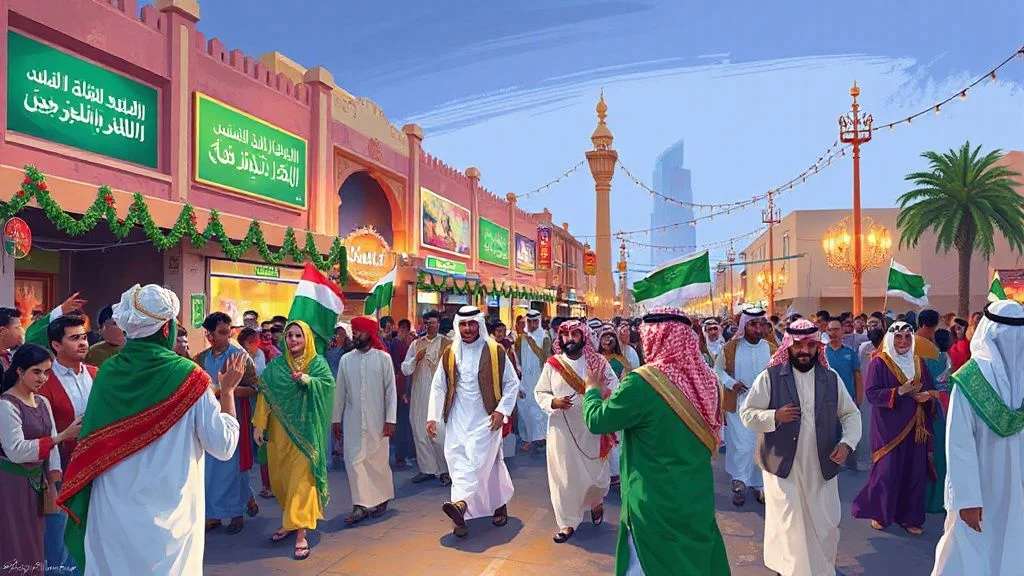
Public holidays in Saudi Arabia, such as Eid al-Fitr and Eid al-Adha, have a significant impact on business operations and meeting schedules. During these periods, many businesses close for an extended time, and social gatherings often take precedence over professional obligations. Being aware of these holidays and planning meetings accordingly can help expatriates avoid scheduling conflicts.
For instance, Eid al-Fitr, which marks the end of Ramadan, is celebrated with significant social gatherings and festivities. Businesses may close for several days, with many people taking additional time off to spend with family. If planning a meeting around this holiday, it is wise to confirm availability well in advance to ensure that all parties can attend.
Practical Tips for Expatriates
- Be Punctual: Arrive on time for business meetings to show respect for your host's time.
- Adapt Communication Styles: Use WhatsApp for quick and effective communication, especially for scheduling meetings.
- Be Patient: Understand that meetings may start late and allow for flexibility in timing.
- Network Informally: Accept invitations for coffee or dinner, as these settings often lead to valuable discussions.
- Plan Around Holidays: Familiarize yourself with local public holidays and their impact on business operations to avoid scheduling conflicts.
- Build Relationships: Focus on establishing personal connections before diving into business discussions; this can set a positive tone for future engagements.
Conclusion
Understanding the cultural nuances of time and punctuality in Saudi Arabia can significantly enhance the expatriate experience. By recognizing the importance of flexibility in social settings while maintaining professionalism in business interactions, expatriates can navigate meetings and appointments more effectively. Building relationships through informal gatherings and adapting to local communication styles will foster goodwill and ultimately contribute to professional success in Saudi Arabia.
AI-Generated Content: This article was created with AI assistance and may contain inaccuracies. Please verify important information with official sources.