This guide was synthesized using the latest legislative data and verified by our editorial board. Laws are subject to change; always consult official sources for final confirmation.
The Gulf Cooperation Council (GCC) plays a pivotal role in shaping the political and economic landscape of the Middle East, particularly for expatriates living in Saudi Arabia. This article delves into the historical context, objectives, and current status of the ties between Saudi Arabia and the GCC, providing valuable insights for international professionals navigating this unique environment.
What can we help you with?
Three short questions, then just how to reach you. No account needed.
Understanding the Gulf Cooperation Council
Established in May 1981 in Riyadh, the GCC is an alliance of six Middle Eastern nations: Saudi Arabia, Kuwait, the United Arab Emirates (UAE), Qatar, Bahrain, and Oman. The organization was created primarily to foster unity among member states based on shared cultural and political identities rooted in Arab and Islamic traditions. The foundation of the GCC was largely influenced by regional instability, particularly the Iran-Iraq War, which underscored the need for collective security and economic cooperation.
The GCC operates under a charter that emphasizes coordination and integration across various sectors, including trade, economy, and security. Article 4 of the GCC charter specifically outlines the council's commitment to strengthening relations among citizens of member states, which is particularly relevant for expatriates who often work and live across these nations.
Cultural and Political Objectives of the GCC
The GCC aims to promote collaboration in several key areas. Economically, the council seeks to unify member states' markets, establish a common customs framework, and facilitate free trade among them. This integration is crucial for expatriates as it creates a more fluid job market and opens up opportunities across the region.
Politically, the GCC provides a platform for member states to coordinate their foreign policies, particularly in response to regional challenges. The Supreme Council, composed of heads of state, meets annually to discuss major policy decisions, while the Ministerial Council, made up of foreign ministers, convenes every three months to address ongoing issues. This structured governance allows for a cohesive approach to regional stability, which benefits expatriates by promoting a secure living and working environment.
Impact of GCC on Expatriate Life
For expatriates, understanding the GCC's objectives and operations is essential. As of our last update, approximately 41.6% of Saudi Arabia's population are non-Saudi residents, and many of them are part of the workforce supported by the GCC's initiatives. The council's policies often lead to better employment opportunities and improved living conditions for expatriates.
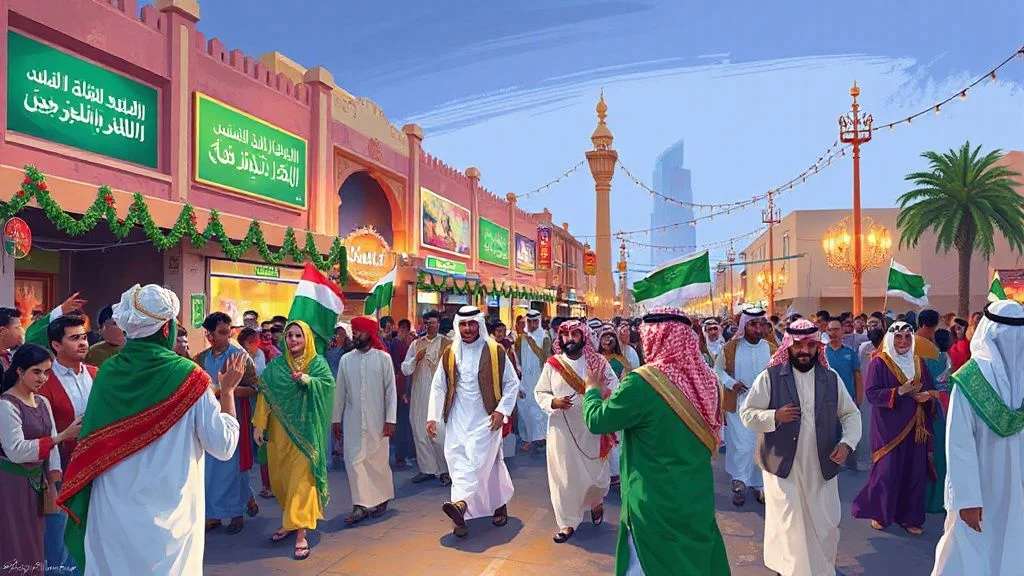
Additionally, the GCC's focus on cultural ties means that expats can find a rich tapestry of traditions and celebrations throughout the member states. Festivals such as Eid al-Fitr and Eid al-Adha are celebrated widely, and expatriates are often welcomed to participate in these events, fostering a sense of community and belonging.
Economic Benefits and Initiatives
The GCC aims to diversify its economies beyond oil dependency, particularly through Saudi Arabia's Vision 2030 initiative. This national economic diversification program seeks to develop sectors such as tourism, entertainment, and technology, thereby creating new job opportunities for expatriates. The ongoing developments in mega-projects like NEOM and the Red Sea Project are examples of this shift, indicating a growing demand for skilled professionals across various industries.
Moreover, the GCC promotes free trade agreements that facilitate easier cross-border movement of goods and services. For expatriates involved in trade or business, this can lead to reduced costs and improved access to markets across the region. Understanding these economic frameworks is crucial for professionals seeking to thrive in Saudi Arabia and its neighboring countries.
Security and Cooperation
Security cooperation is another vital aspect of the GCC. The council has established a Defense Planning Council to address collective security concerns, which directly impacts expatriates' safety in the region. The collaborative defense strategies are designed to deter threats and enhance stability, making it a safer environment for international professionals.
Additionally, the GCC has been involved in various humanitarian efforts, which reflect its commitment to regional stability and cooperation. Expatriates can often engage in or observe these initiatives, which further enrich their experience and understanding of local customs and social responsibility.
What Expats Should Know
For expatriates living in Saudi Arabia or considering relocation, grasping the significance of the GCC is essential. Firstly, staying informed about the GCC's policies and initiatives can provide insights into job opportunities and regional developments. Many expatriates find it beneficial to engage with local communities and participate in cultural events, as this fosters connections and enhances their understanding of Saudi society.
Additionally, understanding the public holidays associated with the GCC, such as Eid al-Fitr and Eid al-Adha, can aid expatriates in planning their schedules effectively. Participating in these celebrations not only allows for cultural immersion but also helps build relationships with local colleagues and neighbors.
Conclusion
The ties between Saudi Arabia and the Gulf Cooperation Council are multifaceted, encompassing cultural, economic, and political dimensions. For expatriates, these connections create a dynamic environment filled with opportunities for personal and professional growth. By understanding the GCC's objectives and actively engaging with local customs, expatriates can enrich their experience in Saudi Arabia while contributing to the region's ongoing development.
AI-Generated Content: This article was created with AI assistance and may contain inaccuracies. Please verify important information with official sources.