
This guide was synthesized using the latest legislative data and verified by our editorial board. Laws are subject to change; always consult official sources for final confirmation.
Understanding the weather in Saudi Arabia is crucial for newcomers looking to settle in this vibrant country. With its vast deserts and coastal regions, Saudi Arabia presents a unique climate that varies significantly across different areas and seasons. This guide provides essential information on what to expect throughout the year, helping you plan your activities and adapt to local customs.
What can we help you with?
Three short questions, then just how to reach you. No account needed.
Overview of Saudi Arabian Climate
Saudi Arabia has a predominantly arid desert climate, characterized by extremely hot summers and mild winters. The country experiences four distinct seasons; however, summer is by far the longest and hottest, lasting from May to October. During this period, temperatures can soar, especially in the interior regions like Riyadh. Conversely, the coastal city of Jeddah experiences high humidity levels, making it feel even hotter. Understanding these climatic differences is key to enjoying your time in Saudi Arabia.
Summer: The Extreme Heat
Summer in Saudi Arabia can be punishing. In Riyadh, temperatures can be extremely high during July and August. The nights offer little respite, with temperatures often remaining warm. This extreme heat can make outdoor activities challenging, and many locals and expatriates opt to stay indoors during the peak afternoon hours. Jeddah, on the other hand, experiences high temperatures, but the humidity often makes it feel much warmer.
For newcomers, it's advisable to acclimatize gradually and stay hydrated. Wearing lightweight, breathable clothing helps combat the heat, and avoiding outdoor activities between noon and 4 PM is a common practice. If you must be outside, seek shade whenever possible and apply sunscreen liberally.
Winter: Mild and Pleasant
Winter, which lasts from November to March, is considered the best time to visit and explore Saudi Arabia. Temperatures in Riyadh drop significantly, with daily highs averaging around 20°C (68°F) in January. The nights can be quite chilly, especially in the desert, where temperatures can be notably lower. Conversely, Jeddah enjoys warmer winter days, with averages around 29°C (84°F), making it a popular time for beach visits.
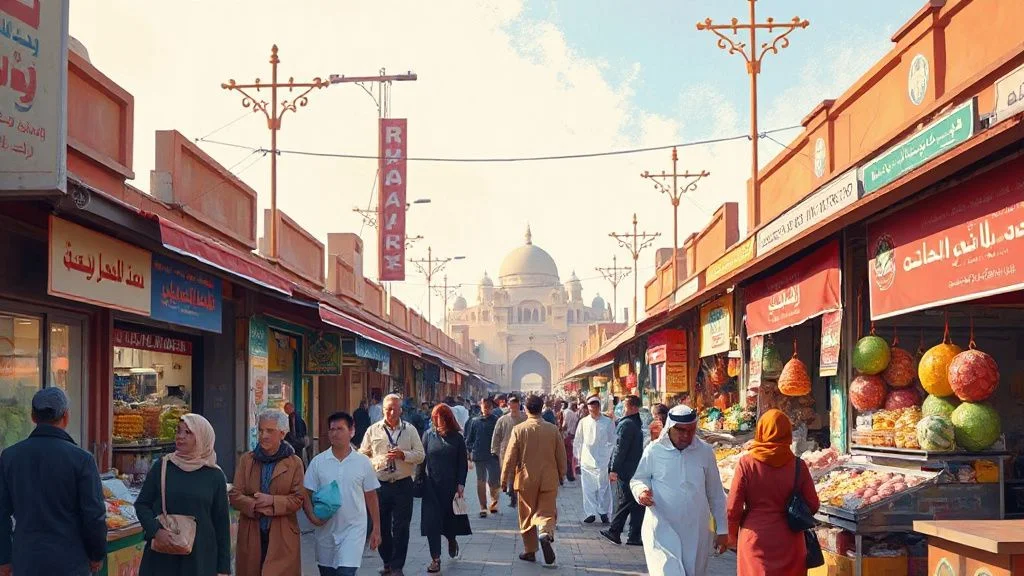
During winter, many outdoor events and festivities occur, and this is an excellent time for newcomers to explore the rich cultural heritage of the country. Local parks and outdoor markets are bustling with activity. Dressing in layers is advisable, as temperatures can fluctuate significantly between day and night, especially in the northern regions.
Spring and Autumn: Transition Seasons
Spring (March to April) and autumn (September to October) serve as transition periods between the extremes of summer and winter. Spring brings a brief respite from the heat, with temperatures gradually rising, while autumn marks the beginning of the cooling trend. Both seasons are relatively short but can experience occasional rain, particularly in the southwestern regions like Asir, where lush greenery can emerge in spring.
During these transitional months, the weather can be unpredictable, so it’s wise to keep an umbrella handy. This is also a great time for hiking and exploring the natural beauty of Saudi Arabia, particularly in the mountainous areas where the scenery is breathtaking. The Taif region, known for its rose gardens, is particularly beautiful during spring.
Practical Tips for Adapting to the Weather
As a newcomer, adjusting to the Saudi Arabian weather may take time. Here are some practical tips to help you cope:
- Stay Hydrated: It's essential to drink plenty of water, especially during the hot months. Carry a reusable water bottle to ensure you stay hydrated throughout the day.
- Dress Appropriately: Lightweight, long-sleeved clothing protects against the sun while keeping you cool. Opt for breathable fabrics like cotton.
- Plan Your Day: Schedule outdoor activities for early morning or late evening when temperatures are cooler. Take advantage of the pleasant winter days for outings.
- Embrace Indoor Activities: During the summer, explore the vibrant shopping malls, museums, and cultural centers that offer a respite from the heat.
What Expats Should Know
In addition to understanding the weather, newcomers should also be aware of cultural customs associated with the seasons. For example, during Ramadan, many locals adjust their daily routines to accommodate fasting, which can affect business hours and social activities. Engaging in local festivities during cooler months can provide insight into the rich traditions of Saudi Arabia.
Many expatriates find that joining community groups or participating in local events can help them acclimate more easily to the climate and lifestyle. Additionally, keeping an eye on local weather forecasts can assist in planning your days effectively.
Conclusion
Adapting to the weather in Saudi Arabia is an essential part of settling into your new life. From the scorching summer heat to the mild winters, each season offers unique experiences for newcomers. By understanding the climate and embracing local customs, you can maximize your enjoyment of this beautiful country. Remember to stay hydrated, dress appropriately, and take advantage of the cooler months to explore all that Saudi Arabia has to offer.
AI-Generated Content: This article was created with AI assistance and may contain inaccuracies. Please verify important information with official sources.