This guide was synthesized using the latest legislative data and verified by our editorial board. Laws are subject to change; always consult official sources for final confirmation.
Saudi Arabia is home to a diverse expatriate population, with Urdu and Hindi speakers forming significant groups within this multicultural landscape. Understanding the nuances of these communities can greatly enhance the experience of expatriates in the Kingdom. This article delves into the historical, social, and cultural contexts of Urdu and Hindi speakers in Saudi Arabia, their contributions to society, and practical tips for navigating this rich tapestry of languages and cultures.
What can we help you with?
Three short questions, then just how to reach you. No account needed.
Demographics of Urdu and Hindi Speakers
Population Overview
As of the latest census, Saudi Arabia hosts a considerable number of Urdu and Hindi speakers, primarily due to the large expatriate workforce from Pakistan and India. This demographic trend has created vibrant communities in major cities like Riyadh and Jeddah, where Urdu and Hindi are widely spoken.
Community Dynamics
The Urdu-speaking community largely consists of professionals, laborers, and their families, primarily from Pakistan. They have established various cultural associations and social clubs that host events celebrating Pakistani festivals, such as Eid al-Fitr. Similarly, the Hindi-speaking community is diverse, representing various regions of India. Both communities often intermingle and share cultural practices, reflected in their food, music, and festivals.
Cultural Significance of Urdu and Hindi
Literature and Arts
Both Urdu and Hindi boast a rich literary heritage that transcends borders. Urdu literature is renowned for its poetry, particularly ghazals, which express deep emotions and social issues. Notable poets have left an indelible mark on Urdu literature. Hindi literature, on the other hand, encompasses a wide range of genres, including novels, poems, and plays, with various authors contributing significantly to its evolution.
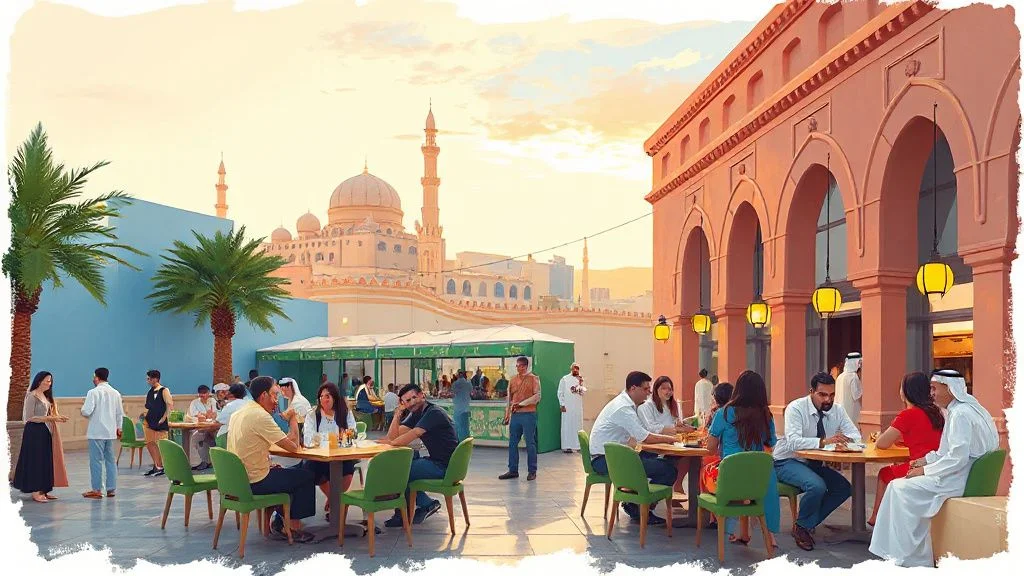
In Saudi Arabia, expatriates often engage in literary discussions, poetry recitations, and cultural events that celebrate their linguistic heritage. These gatherings provide a platform for expressing their cultural identity and fostering connections within the community.
Festivals and Celebrations
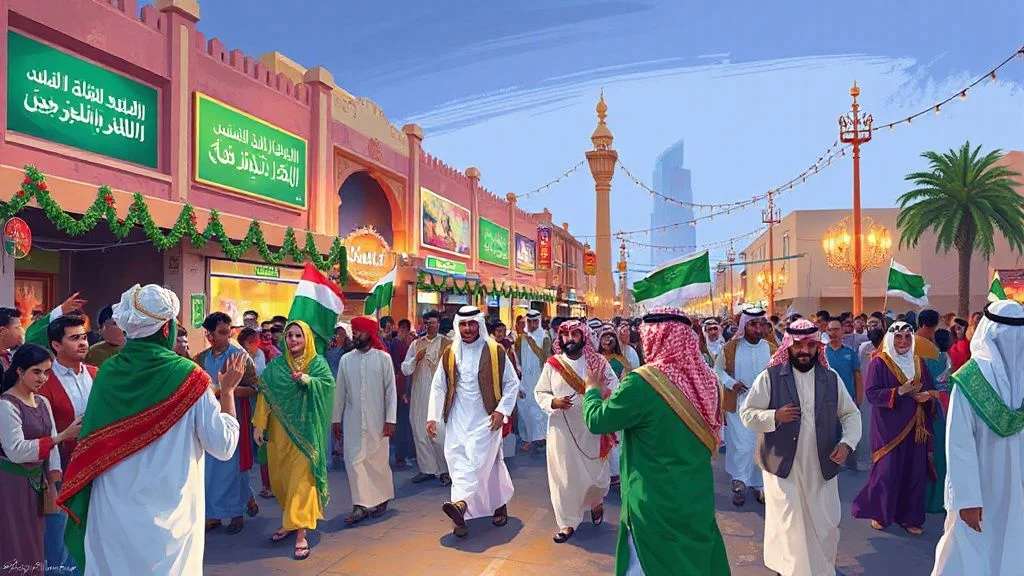
Both communities celebrate major festivals with great enthusiasm. Eid al-Fitr and Eid al-Adha are observed by Muslims, while other significant festivals are celebrated by many Hindi speakers. During these festivals, special prayers are held in mosques, and community gatherings feature traditional foods, music, and dance. The vibrant festivities not only strengthen community bonds but also offer expatriates a sense of belonging in a foreign land.
Language and Communication
Mutual Intelligibility
Urdu and Hindi share a common linguistic root, making them mutually intelligible to a large extent. This similarity stems from their origins in the Khari Boli dialect of North India. While the spoken forms of both languages are very similar, the scripts differ: Hindi uses the Devanagari script, whereas Urdu employs the Nastalique script. This shared linguistic heritage allows speakers of both languages to communicate effectively, facilitating social interactions within the expatriate community.
Learning Opportunities
For expatriates wishing to improve their communication skills, engaging in language learning can be beneficial. Many expatriates find that learning the local languages enhances their ability to connect with their peers and navigate daily life.
Practical Tips for Expatriates
Navigating Social Interactions
Understanding cultural nuances is crucial for building relationships with Urdu and Hindi speakers. Greeting with respect is important; using a common greeting is a way to say hello. Additionally, when invited to a home, it is customary to bring a small gift, such as sweets or fruit, as a gesture of goodwill.
Participating in Community Events
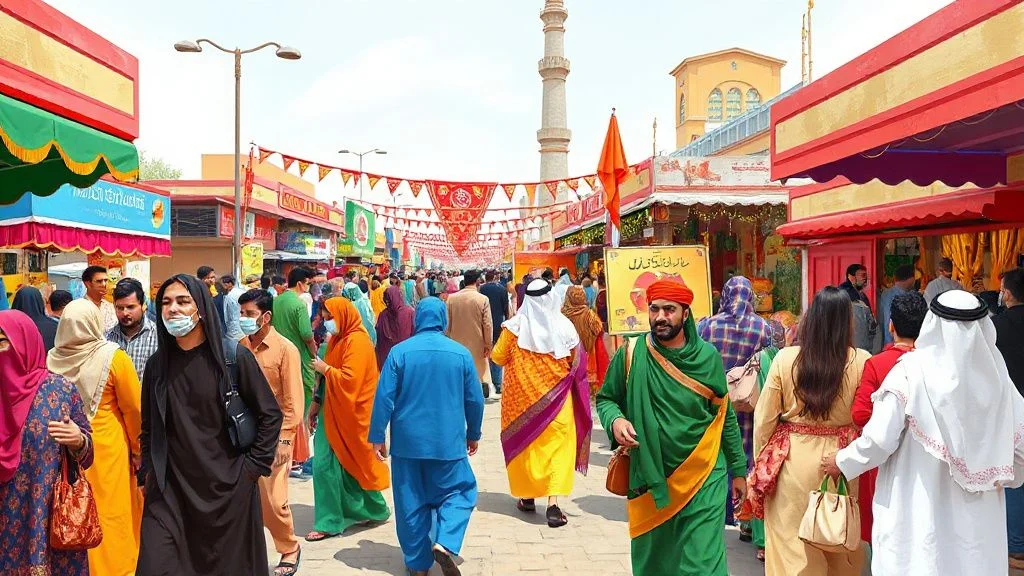
Expatriates are encouraged to participate in community events organized by Urdu and Hindi cultural associations. These events often feature traditional music, dance performances, and food stalls that provide a taste of South Asian culture. Joining such gatherings can foster friendships and deepen understanding of cultural practices.
Challenges and Opportunities
Economic Contributions
Urdu and Hindi-speaking expatriates contribute significantly to the Saudi economy, particularly in sectors such as healthcare, construction, and hospitality. Their skilled professionals play vital roles in various industries, driving economic growth and development. Understanding their contributions helps foster mutual respect and collaboration within the workplace.
Cultural Integration
While there are cultural challenges, such as language barriers and differing social customs, many Urdu and Hindi speakers have successfully integrated into Saudi society. By respecting local traditions and customs while celebrating their own cultural heritage, expatriates can build bridges between communities. Engaging in cross-cultural dialogues can foster understanding and appreciation among diverse populations.
Conclusion
Urdu and Hindi speakers in Saudi Arabia form vibrant communities that contribute to the Kingdom's multicultural tapestry. By understanding their cultural significance, participating in community events, and fostering communication, expatriates can enrich their experience in Saudi Arabia. The shared linguistic heritage and cultural practices provide a unique opportunity for connection and collaboration, making Saudi Arabia a truly diverse and welcoming place for all.
AI-Generated Content: This article was created with AI assistance and may contain inaccuracies. Please verify important information with official sources.