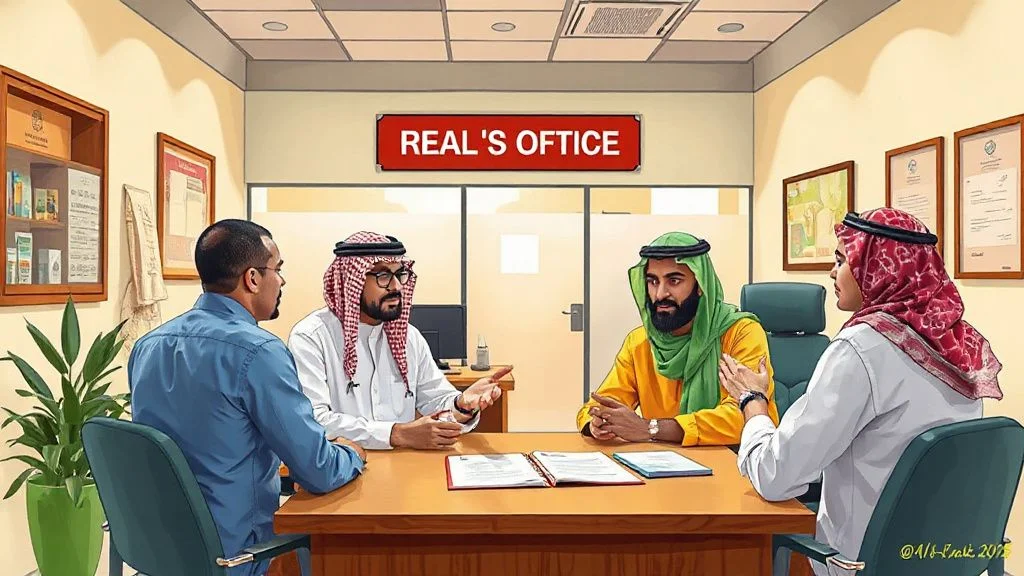
As expatriates settling in Saudi Arabia, understanding the nuances of the Ejar tenancy platform is crucial for a smooth rental experience. This article delves into which forms on the Ejar platform are strictly paper-based, the implications of these requirements, and practical steps to ensure compliance with Saudi regulations. By the end of this guide, you will have a clear understanding of the documentation process and how to navigate it effectively.
What can we help you with?
Three short questions, then just how to reach you. No account needed.
Overview of the Ejar Tenancy Platform
The Ejar platform, managed by the Real Estate General Authority (REGA), is the official electronic network for documenting rental agreements in Saudi Arabia. Launched to streamline the rental process, Ejar aims to enhance transparency and protect the rights of both landlords and tenants. Since January 2019, undocumented residential leases are not recognized for administrative or judicial purposes, making Ejar documentation essential.
And here the honest answer is narrower than the question suggests. Almost nothing in this process is paper-only any more, and the three items most often named as paper-only are in fact the ones the Kingdom has deliberately moved online. The paragraphs below set out what is electronic, and then the exceptions that do still exist, because those exceptions are real and they are where people get caught.
Identifying Paper-Only Forms
In the context of the Ejar platform, certain forms must be completed on paper rather than electronically. These typically include:
- Power of Attorney: electronic, not paper. Where a landlord cannot be present, a power of attorney is needed, but the Ministry of Justice issues these through the Najiz platform without a visit to a notary public and, in its own words, with no printing, stamping or signing. An electronic power of attorney runs for at most one year, its validity can be checked through the verification services, and it can be revoked electronically as well. The exceptions that genuinely require a notary are specific: a first power of attorney for someone over the age of sixty-five goes through the Virtual Notarial Office on Najiz or a private notary, with later ones done electronically; certain identity documents and certain legal entities cannot be processed on Najiz and go through the Virtual Notary Service; and a Mobile Notary Service exists for people who are elderly, ill or have particular needs.
- Lease termination: on the platform, and this one matters. Ejar has an electronic termination service, and the Real Estate General Authority runs separate services for termination by agreement and for unilateral termination, the latter used once an enforcement court has ordered a tenant to vacate. Once a termination is approved the contract status changes from active or registered to terminated. The practical warning is the reverse of what a paper-notice instinct suggests: handing over a written note and moving out does NOT end the lease. A contract that is not terminated on the platform remains live against your name, with whatever obligations attach to it.
- Disputes: filed through the platform. A complaint about a registered contract is lodged on Ejar, where you select the contract, the type of complaint and upload the supporting documents. Paper enters the picture only at the point where a matter leaves the rental platform for a court, and even then the filing itself is electronic. What you should keep on paper is your own copy of everything you upload, which is a different thing from the submission having to be on paper.
So the useful version of the original question is not which forms are paper-only but where the electronic route has a gate on it: the age threshold on a first power of attorney, the identity documents and entity types that Najiz cannot process, and the court order that a unilateral termination needs. Those are the three places where a tenancy matter still requires someone to attend in person, and they are worth checking before you plan around a purely online process.
Steps to Complete Paper-Only Forms
Completing the necessary paper-only forms involves several steps. Here’s a detailed guide on how to navigate this process:
1. Preparing the Power of Attorney
If you are a landlord who cannot be present for the signing of the lease, you will need to prepare a Power of Attorney document. This document must include:
- The full name and identification details of both the landlord and the appointed agent.
- A clear statement of the powers granted to the agent, including the authority to sign the lease agreement on behalf of the landlord.
- The duration of the Power of Attorney, specifying whether it is valid for a single transaction or an extended period.
Once drafted, the PoA must be notarized by a licensed notary public in Saudi Arabia. This adds a layer of authenticity and ensures that the document is legally binding.
2. Drafting the Lease Termination Notice
When terminating a lease, it is important to draft a formal notice. This notice should include:
- The date of the notice.
- The names and contact information of both the landlord and tenant.
- The property address.
- A clear statement of the intention to terminate the lease, along with the effective date of termination.
Once completed, the notice should be delivered to the other party in person or via registered mail to ensure there is a record of receipt.
3. Submitting Dispute Resolution Documents
If a dispute arises regarding the lease, you may need to submit documentation to the relevant authorities. This process typically involves:
- Gathering all relevant documentation, including the lease agreement, any correspondence related to the dispute, and the completed dispute resolution form.
- Filing the complaint with the appropriate local authority, which may require an in-person visit to submit the paper documents.
It is advisable to keep copies of all submitted documents for your records.
Common Pitfalls and How to Avoid Them
While navigating the Ejar platform and its paper-only requirements, expatriates may encounter several common pitfalls. Here are some tips to avoid these issues:
1. Incomplete Documentation
One of the most common mistakes is submitting incomplete forms. Ensure that all required information is filled out accurately and that all necessary signatures are obtained before submission. Double-check the requirements for each specific form to avoid delays.
2. Missing Deadlines
Each form has specific deadlines for submission. For instance, lease termination notices typically must be provided a certain number of days before the lease end date. Familiarize yourself with these timelines to avoid complications.
3. Not Keeping Copies
Always keep copies of any paper documents you submit. This is crucial for your records and can be invaluable in case of disputes. Having a paper trail can help substantiate your claims and protect your rights.
Practical Tips for Expats
As an expatriate navigating the Ejar platform, here are some practical tips to streamline the process:
1. Utilize Local Resources
Consider engaging a local real estate agent or legal advisor who is familiar with the Ejar platform and its requirements. They can provide valuable insights and assist with the preparation of necessary documents.
2. Stay Informed About Changes
Regulations regarding rental agreements and the Ejar platform may evolve. Stay updated by regularly checking official government portals or local news sources for any changes that may affect your tenancy.
3. Leverage Technology
While some forms are paper-only, many aspects of the Ejar platform can be managed digitally. Utilize the platform’s features to track your lease status, payment schedules, and any communications with your landlord or agent.
Conclusion
Understanding which forms on the Ejar tenancy platform require paper documentation is essential for expatriates living in Saudi Arabia. By familiarizing yourself with the Power of Attorney, lease termination notices, and dispute resolution documents, you can navigate the rental process more effectively. Avoid common pitfalls by ensuring your documentation is complete, submitted on time, and well-organized. By following these guidelines, you can protect your rights and ensure a smoother rental experience in Saudi Arabia.